check

check

check

check
check
check
check
check

check

check
In the world of industrial automation and machinery control, the reliability of a single component can dictate the efficiency and safety of an entire system. Among the myriad of sensing devices available, the ML29-R/59/103/143 photoelectric switch stands out as a cornerstone for precise, non-contact detection. This comprehensive guide delves into the core features, operational principles, and diverse applications of this robust sensor family, highlighting why it is a preferred choice for engineers and system integrators globally.
At its heart, the ML29-R/59/103/143 is a sophisticated photoelectric sensor designed for long-range detection with exceptional accuracy. The "ML29" series typically denotes a specific housing design and performance class, while suffixes like R/59/103/143 often refer to key specifications such as sensing range, output configuration, and light source type. These switches operate on a fundamental principle: they emit a beam of light (usually infrared, red, or laser) from a transmitter. When this beam is interrupted or reflected by a target object, the receiver detects the change in light intensity, triggering an electrical output signal. This non-contact method eliminates mechanical wear, ensuring a long operational lifespan even in demanding cycles.
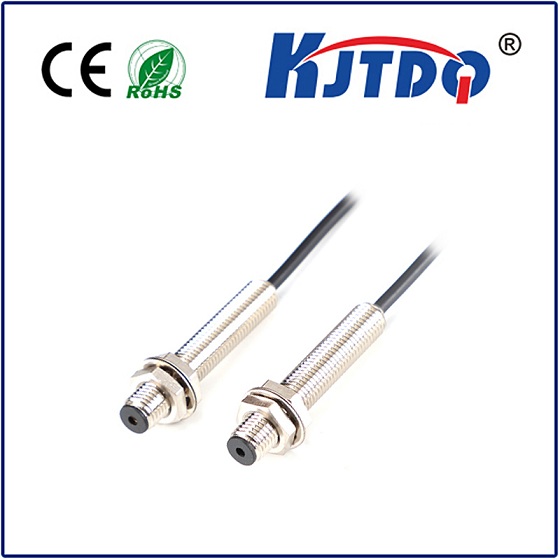
One of the defining characteristics of this sensor family is its versatility in sensing modes. The models can be configured for through-beam, retro-reflective, or diffuse reflection sensing. Through-beam models, with separate transmitter and receiver units, offer the longest detection ranges and high immunity to environmental interference. Retro-reflective types use a single unit and a reflector, providing a practical solution for medium-range applications. Diffuse reflection sensors detect objects by bouncing light directly off the target, ideal for short-range detection and color or surface differentiation. The specific model number (e.g., 103, 143) helps identify these modes and technical details.
The application spectrum for the ML29-R/59/103/143 photoelectric switch is remarkably broad. In packaging lines, they accurately count bottles, detect label presence, or control filling levels. Within the automotive industry, these sensors ensure robotic arms position components correctly or verify part assembly. On conveyor systems, they serve as efficient object detectors for sorting and routing logistics. Their robust construction often includes features like metal or high-grade plastic housings with IP67 or higher protection ratings, making them resistant to dust, water jets, and mechanical impacts. This durability is crucial for environments in food processing, woodworking, or material handling where moisture, debris, and vibration are common.
Selecting the right photoelectric switch requires careful consideration of several parameters beyond just the model code. Key factors include the required sensing distance, the size and material of the target object, the ambient light conditions, and the required output type (e.g., NPN, PNP, analog, or relay). The response speed is critical for high-speed production lines, while built-in diagnostics like stability indicators or IO-Link communication, available in advanced models, facilitate predictive maintenance and integration into Industry 4.0 frameworks. Proper alignment, mounting, and environmental shielding are essential for optimal performance, preventing false triggers from background reflections or harsh lighting.
Compared to alternative sensing technologies like inductive or capacitive proximity sensors, photoelectric switches offer distinct advantages. They can detect virtually any material—glass, plastic, wood, or metal—regardless of color or conductivity, and they operate at much longer ranges. While they may be more susceptible to certain environmental factors like heavy fog or direct sunlight, modern designs with modulated LED light and advanced optics effectively mitigate these challenges. The ML29 series, in particular, is engineered for stability, offering features like background suppression or fixed-field background suppression in diffuse models to ignore objects beyond a set distance.
In conclusion, the ML29-R/59/103/143 photoelectric switch represents a blend of precision engineering and practical design. Its reliability, adaptability across different sensing modes, and resilience in tough industrial settings make it an indispensable tool for automation. For system designers and maintenance professionals, understanding the nuances of its model codes and specifications is the first step toward implementing a sensing solution that enhances productivity, ensures safety, and minimizes downtime. As automation evolves, such robust and intelligent components will continue to form the reliable eyes of modern machinery.