check

check

check

check
check
check
check
check

check

check
In the complex world of industrial automation, the reliability of a single component can dictate the efficiency of an entire production line. Among these critical components, photoelectric switches stand as silent sentinels, ensuring seamless operations. The E3JK-RP11-C photoelectric switch emerges as a particularly robust solution, designed to meet the rigorous demands of diverse industrial environments. This guide delves into the core features, operational principles, and practical applications of this versatile sensor, providing a comprehensive understanding for engineers and system integrators.
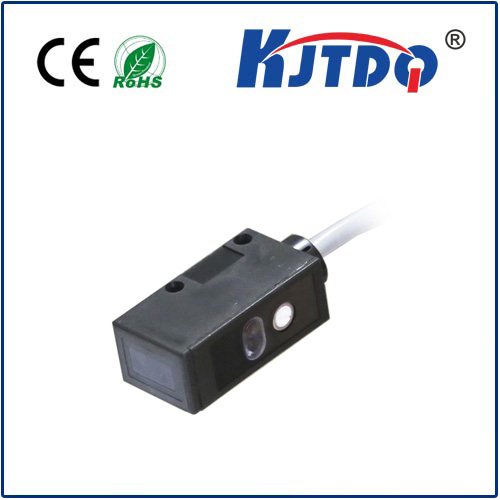
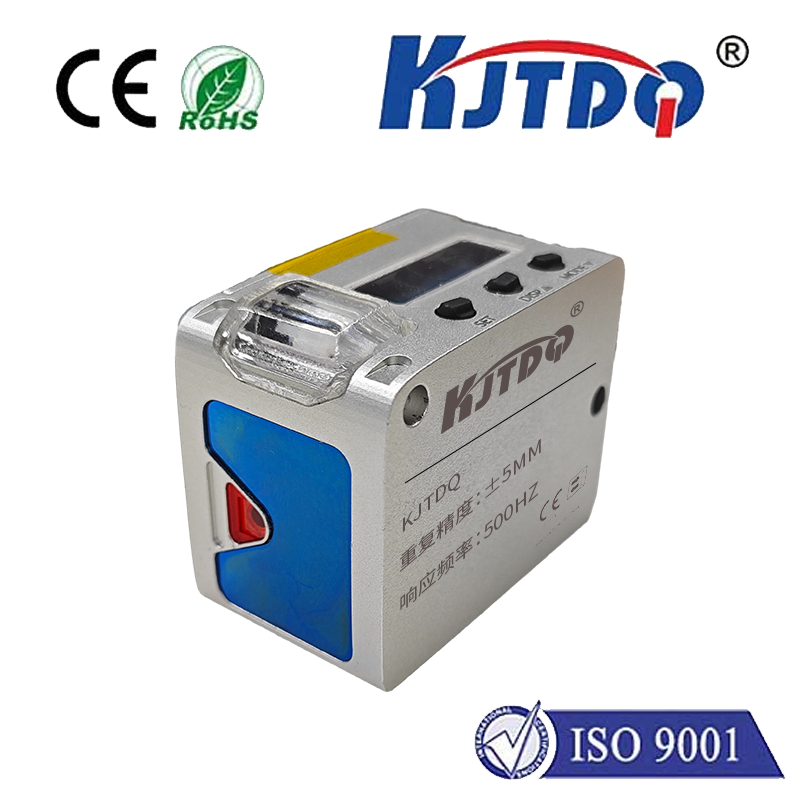
At its heart, the E3JK-RP11-C is a diffuse-reflective photoelectric sensor. Unlike through-beam or retro-reflective models that require separate emitter and receiver units or a reflector, this device houses both the light source (typically an LED) and the receiver in a single, compact housing. It operates by emitting a beam of modulated light—often infrared or visible red—towards a target. When this light hits an object within its sensing range, it is diffusely reflected back to the receiver within the switch. The internal circuitry then processes this signal to detect the object's presence. This self-contained design simplifies installation, reduces wiring complexity, and lowers overall system cost, making it a preferred choice for many detection tasks.
The specifications of the E3JK-RP11-C are engineered for performance and durability. A key feature is its adjustable sensing range, which allows technicians to fine-tune the detection distance to suit specific application needs, minimizing false triggers from background objects. It boasts a robust housing, often rated at IP67, providing excellent protection against dust ingress and temporary immersion in water, which is crucial for washdown areas or dusty manufacturing floors. The switch typically operates on a wide range of DC voltages (e.g., 12-24V DC), ensuring compatibility with standard industrial control systems. Its output is usually in the form of a solid-state relay (SSR) or transistor, offering a fast response time and a long operational life free from the wear and tear of mechanical contacts. The inclusion of a sensitivity adjustment potentiometer and a visible LED indicator for power and output status further enhances its usability, allowing for quick setup and troubleshooting.
The practical applications of the E3JK-RP11-C are vast and varied across multiple industries. In packaging machinery, it reliably detects the presence of boxes on a conveyor belt, triggering the next step in the sealing or labeling process. Within automotive assembly lines, it can verify the correct positioning of components before a robotic arm performs a weld. In material handling, it is used to count bottles, cans, or packages as they pass a specific point. Its durability makes it suitable for agricultural equipment, detecting grain levels in silos, or in food and beverage plants, where it can operate reliably despite frequent cleaning with high-pressure hoses. The diffuse-reflective nature makes it ideal for detecting objects with non-shiny, matte surfaces where retro-reflective sensors might struggle.
Selecting and installing the E3JK-RP11-C requires careful consideration. The material, color, and size of the target object significantly influence the effective sensing range; dark, absorbent surfaces require a shorter distance than light, reflective ones. The environment is another critical factor; while the sensor is rugged, excessive ambient light (like direct sunlight) or heavy airborne contamination like steam or foam can interfere with its operation. Proper mounting is essential—ensuring the sensor is firmly secured and aligned correctly to the expected path of the target. During installation, it is recommended to power the system and use the sensitivity adjustment to set the detection threshold under real-world conditions, ensuring stable operation. Regular maintenance, such as cleaning the lens from dust or grime, preserves long-term accuracy and reliability.
When compared to other sensing technologies like inductive proximity sensors (which only detect metals) or capacitive sensors (which detect liquids and other materials), the E3JK-RP11-C photoelectric switch offers distinct advantages. Its primary benefit is the ability to detect a wide variety of materials—metal, plastic, wood, glass, and liquids—regardless of color in most cases, as long as the surface reflects enough light. This versatility is unmatched. While ultrasonic sensors offer similar material-agnostic detection and perform better in environments with dust or mist, photoelectric switches like the E3JK-RP11-C generally provide faster response times and higher precision for smaller objects.
In conclusion, the E3JK-RP11-C photoelectric switch represents a cornerstone of modern industrial sensing. Its blend of versatility, durability, and ease of use provides a reliable and cost-effective solution for countless object detection challenges. By understanding its operating principle, carefully considering the application requirements, and following best practices for installation and setup, engineers can leverage this powerful tool to enhance system automation, improve productivity, and ensure the smooth, uninterrupted flow of operations. Its proven performance in the field continues to make it a trusted component in the engineer's toolkit.