check

check

check

check
check
check
check
check

check

check
In the world of industrial automation and machinery control, the reliability of a single component can dictate the efficiency and safety of an entire system. Among these critical components, photoelectric switches stand out for their non-contact sensing capabilities. The GV18/25/103/115 series represents a pinnacle of design in this category, offering engineers and system integrators a robust solution for diverse and demanding applications. This guide delves into the core features, operational principles, and practical benefits of these switches, explaining why they are a preferred choice across industries.
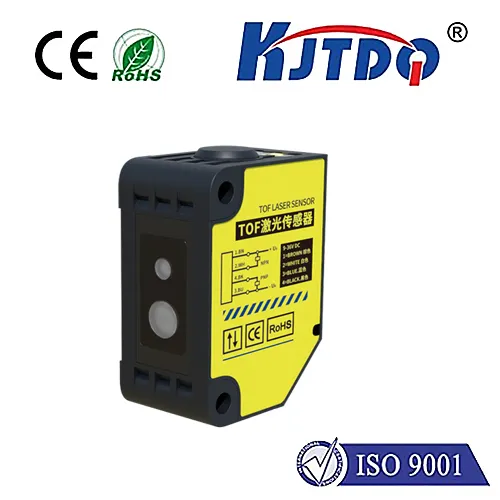
At its heart, a photoelectric switch like those in the GV18/25/103/115 series operates by emitting a beam of light—typically infrared, red, or laser—and detecting changes in the received light signal. The "GV" designation often refers to a specific housing style or form factor, with numbers like 18mm or 25mm indicating the barrel diameter, crucial for installation in specific mounting holes. Models such as 103 and 115 may denote variations in sensing range, output type (e.g., NPN or PNP transistor, relay), or light source. The fundamental principle remains the same: an object interrupting or reflecting this light beam triggers a swift and precise electrical output signal. This non-contact method eliminates mechanical wear, ensuring a significantly longer operational lifespan compared to mechanical limit switches.
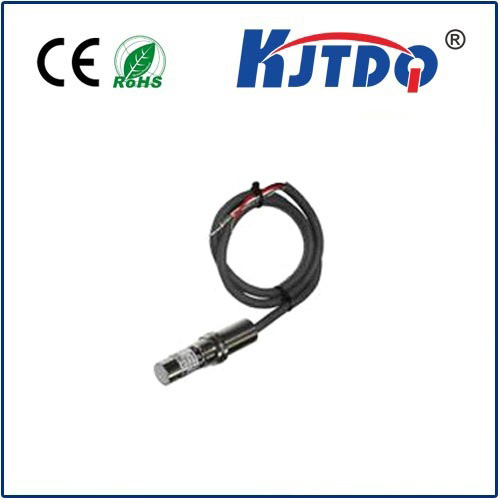
The construction of the GV18/25 series is tailored for industrial resilience. Housings are typically made from nickel-plated brass or high-grade stainless steel, providing exceptional resistance to corrosion, oils, and coolants. Many models feature IP67 or higher ingress protection ratings, meaning they are dust-tight and can withstand temporary immersion in water. This makes them ideal for harsh environments like packaging lines, automotive assembly plants, and food processing facilities where washdowns are common. The precision-molded lenses are resistant to fogging and contamination, maintaining consistent sensing performance even in environments with steam or airborne particles.
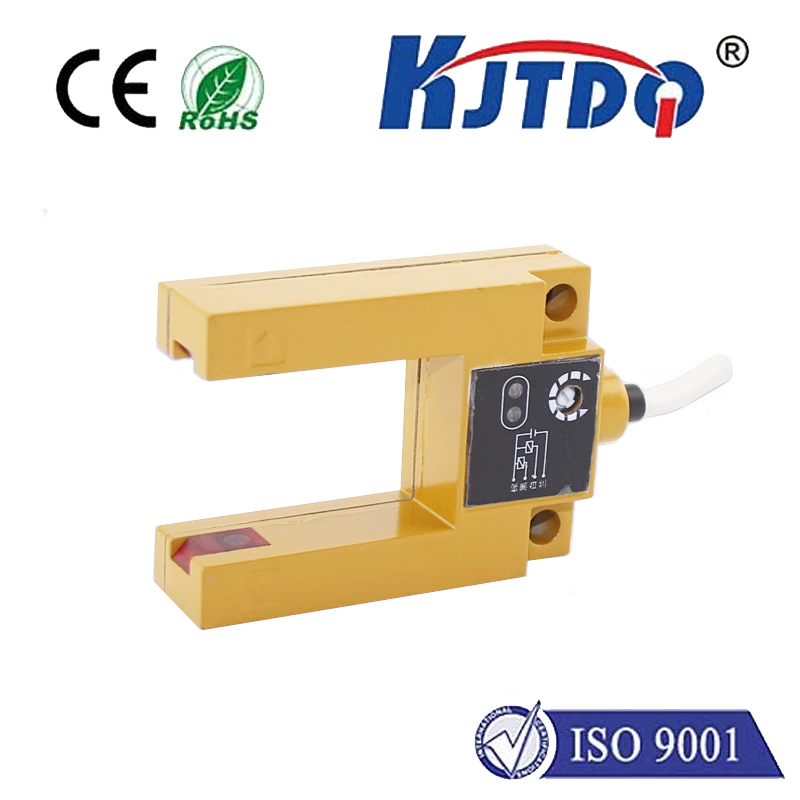
One of the key advantages of this series is its versatility in sensing modes. The diffuse reflective mode, where the switch detects light reflected directly from the target object, is common for short to medium-range detection. For longer ranges or detection of transparent objects, through-beam models (where the emitter and receiver are separate units) offer superior accuracy. Retro-reflective models, which bounce light off a reflector, provide a reliable middle ground. The specific model numbers (103, 115, etc.) help users select the exact sensing mode and range, from a few centimeters up to several meters, required for their task, such as detecting small components on a conveyor or positioning large pallets.
Electrical integration is straightforward. The switches commonly offer selectable light-on/dark-on operation, allowing the output to be active when the beam is received or when it is broken, providing flexibility for different control logic. The output can interface seamlessly with Programmable Logic Controllers (PLCs), counters, and other control systems. Features like a stable sensing indicator LED and short-circuit protection are standard, aiding in quick setup and preventing damage from wiring errors. This plug-and-play simplicity reduces installation time and minimizes downtime during maintenance or system reconfiguration.
Real-world applications are vast. In material handling, a GV25 through-beam sensor can reliably detect the presence of boxes on a conveyor, triggering sorting mechanisms. In automated assembly, a diffuse reflective GV18 sensor can verify the correct placement of a tiny electronic component. In the woodworking industry, they serve as safety interlock sensors on guard doors. Their speed and accuracy are also invaluable in packaging machinery for counting products or ensuring proper fill levels. The consistent performance of these switches directly translates to reduced product waste, fewer machine stoppages, and enhanced overall equipment effectiveness (OEE).
When selecting a photoelectric switch from this series, consider the environmental conditions first. Factors like ambient light, target material (color, reflectivity, transparency), required sensing distance, and the need for fast response times are critical. Consulting the detailed datasheet for the specific GV model is essential to match the switch's specifications—such as response frequency, hysteresis, and temperature rating—to the application's demands. Proper alignment, clean lenses, and stable power supply are simple yet vital practices to ensure decades of trouble-free service from these durable sensors.
In conclusion, the GV18/25/103/115 photoelectric switch series embodies a blend of rugged durability, precise engineering, and application-focused design. By providing a reliable, non-contact method of detection, these switches form an invisible yet indispensable network within automated systems, enhancing both productivity and safety. For engineers seeking a proven sensing solution that delivers consistent performance under pressure, this series remains a benchmark in photoelectric technology.