check

check

check

check
check
check
check
check

check

check
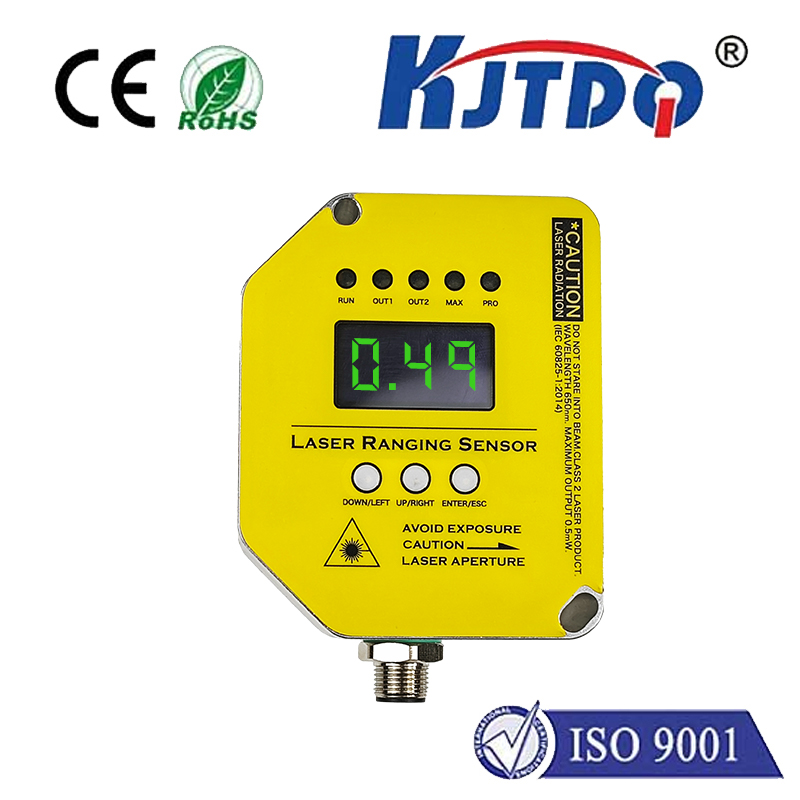
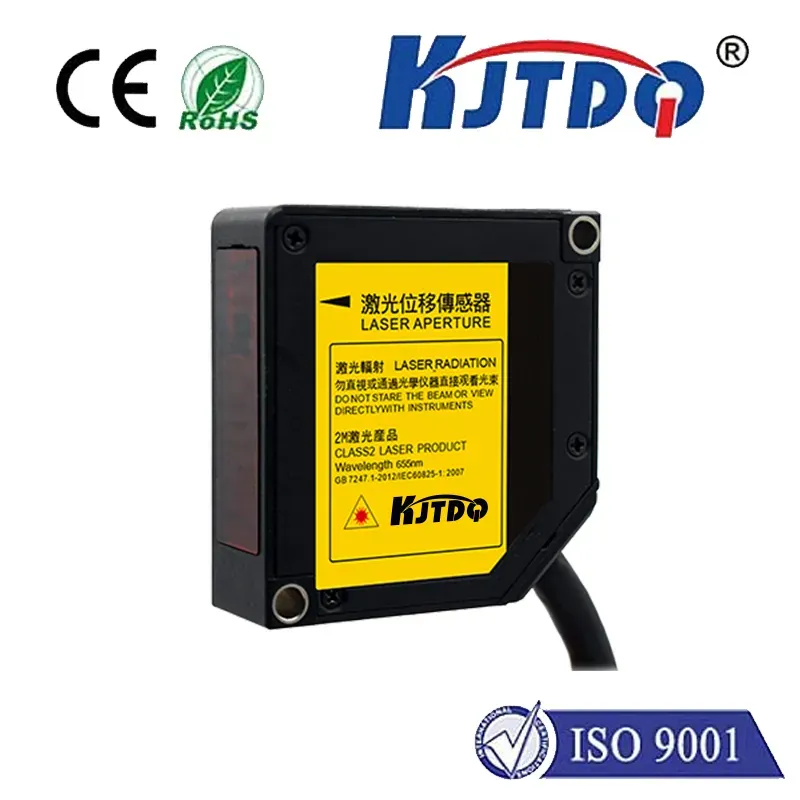
In the demanding world of industrial automation, precision is not merely a desirable trait; it is the fundamental cornerstone of efficiency, quality, and safety. The relentless pursuit of accuracy in measurement and detection drives innovation, leading to the development of advanced sensing technologies. Among these, laser sensors stand out for their unparalleled speed, resolution, and reliability. The OL1S/OL1E-R1010A13 laser sensor emerges as a prime example of this technological evolution, engineered to meet the rigorous challenges of modern manufacturing, logistics, and robotic applications.
The core of the OL1S/OL1E-R1010A13's capability lies in its sophisticated laser triangulation principle. Unlike conventional sensors, it projects a highly focused, visible red laser beam onto the target object. The reflected light is then captured by a precision CMOS array at a specific angle. By calculating the displacement of the light spot on the receiver, the sensor determines the exact distance or presence of the object with exceptional accuracy. This method allows for non-contact measurement, eliminating mechanical wear and ensuring consistent performance over extended operational lifetimes, even in environments with significant vibration or thermal variation.
A key differentiator for the R1010A13 model is its robust design tailored for industrial resilience. The housing is constructed to withstand common environmental adversaries such as dust, oil mist, and coolants, often earning it ingress protection ratings suitable for harsh workshop conditions. Electrical noise, a frequent source of error for sensitive equipment, is effectively mitigated through advanced internal shielding and filtering circuits. This ensures stable signal output, crucial for maintaining production line integrity where a single erroneous reading can lead to costly downtime or product defects.
Versatility is another hallmark of this laser sensor series. The OL1S/OL1E-R1010A13 is not confined to a single task. Its high-speed response and fine resolution make it ideal for a wide array of applications. On assembly lines, it performs precise height detection, part presence verification, and edge positioning with repeatability measured in micrometers. In robotic guidance systems, it provides real-time feedback for accurate pick-and-place operations or weld seam tracking. Within packaging machinery, it ensures consistent fill levels and label placement. The sensor's programmable logic and various output options (e.g., NPN/PNP, analog, or IO-Link) allow for seamless integration into both new and existing control architectures, providing engineers with flexible configuration tools.
The implementation of the OL1S/OL1E-R1010A13 laser sensor translates directly into tangible operational benefits. Manufacturers report significant reductions in material waste due to more accurate process control. Production throughput increases as machines can operate reliably at higher speeds without sacrificing precision. Predictive maintenance becomes more effective, as the sensor's consistent data can help identify machinery misalignment or wear before it causes a failure. Ultimately, this contributes to a stronger bottom line through enhanced Overall Equipment Effectiveness (OEE) and a superior, more consistent product quality that strengthens brand reputation.
Looking forward, the role of intelligent sensors like the OL1S/OL1E-R1010A13 is set to expand within the framework of Industry 4.0 and smart factories. Its capability to deliver precise, digital data makes it a vital data point for interconnected systems. When integrated with higher-level control systems and data analytics platforms, the information it provides can be used to optimize entire production processes dynamically, enabling adaptive manufacturing and deeper insights into operational performance.
In conclusion, the OL1S/OL1E-R1010A13 laser sensor represents a critical tool for industries where precision is paramount. It moves beyond simple detection to provide reliable, high-fidelity measurement that empowers automation systems to perform with greater intelligence and efficiency. For engineers and system integrators seeking to enhance their automation capabilities, adopting this level of sensing technology is a strategic step towards building more resilient, productive, and competitive operations. Its proven performance in diverse applications underscores its value as a cornerstone component in the automated industrial landscape.