check
check

check

check
check
check
check
check

check

check
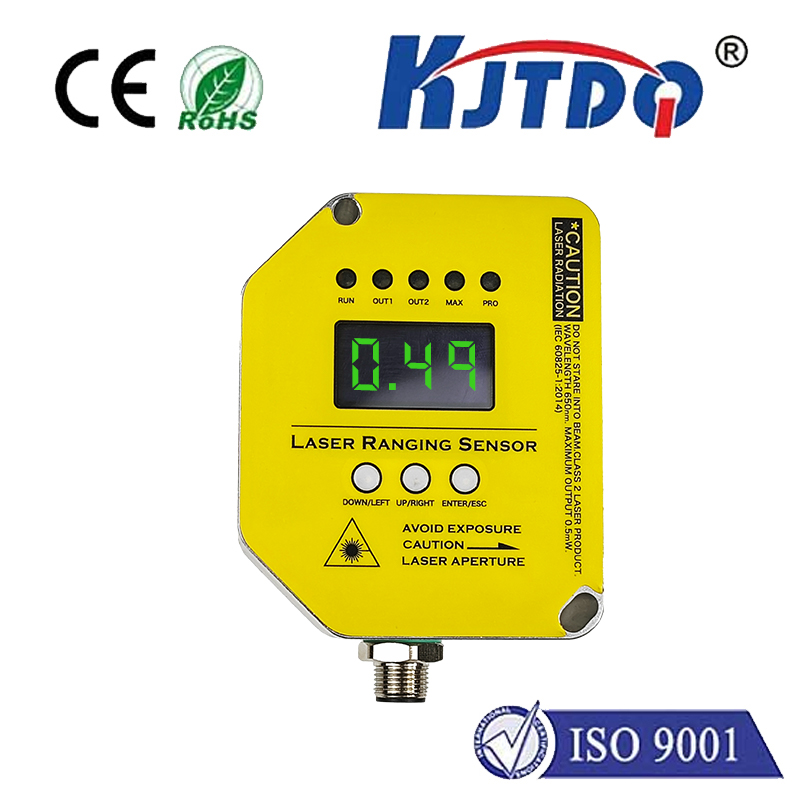
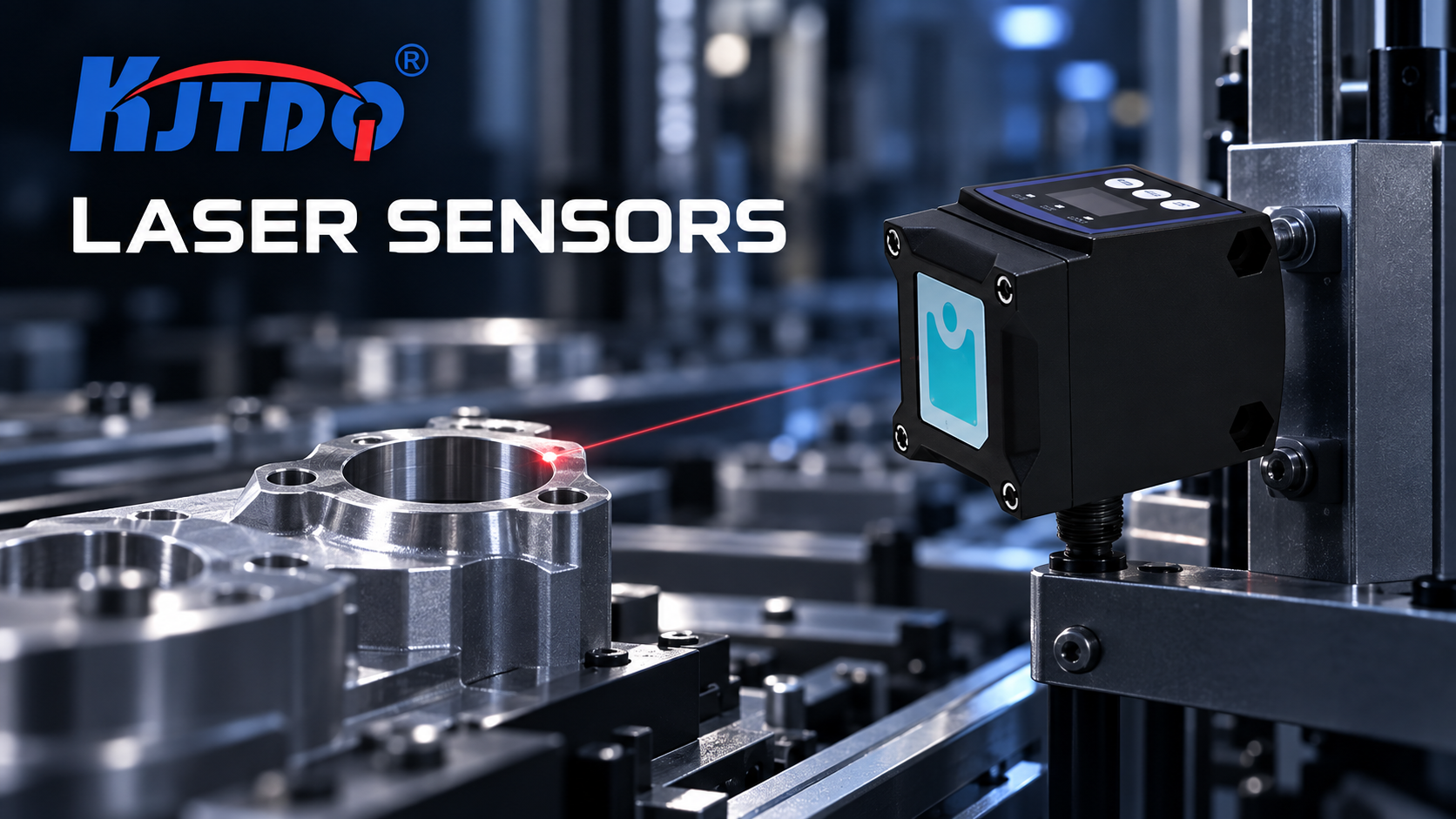
In modern industrial automation, precision sensing technology plays a critical role in ensuring efficiency, safety, and reliability across various applications. The OCP352P0150P laser sensor represents a significant advancement in this field, offering unparalleled accuracy and performance for demanding environments. This device utilizes advanced laser triangulation principles to deliver non-contact measurement capabilities, making it suitable for tasks where physical contact could compromise results or damage sensitive materials.
The core functionality of the OCP352P0150P revolves around its ability to emit a focused laser beam towards a target surface. The reflected light is captured by a high-resolution receiver, and sophisticated onboard algorithms calculate the exact distance based on the beam's angle of return. This process occurs within milliseconds, enabling real-time monitoring and control in dynamic production lines. With a measuring range tailored for industrial precision, the sensor provides consistent readings even on surfaces with varying reflectivity or color, thanks to its adaptive signal processing technology.
Key features of the OCP352P0150P include a robust housing rated for IP67 protection, ensuring resistance to dust, moisture, and mechanical shocks commonly found in manufacturing settings. Its compact design allows for easy integration into existing machinery without requiring extensive modifications. The sensor supports multiple output interfaces, such as analog voltage, current, and digital IO-Link communication, facilitating seamless connectivity with PLCs, HMIs, and data acquisition systems. This versatility enables users to implement the sensor in diverse scenarios, from assembly line gap detection and thickness measurement to robotic guidance and quality inspection stations.
Performance metrics highlight a repeatability accuracy within micrometers, minimizing measurement drift over prolonged operation. The integrated temperature compensation circuitry maintains stability across fluctuating environmental conditions, a crucial factor for industries like automotive, electronics, and packaging where thermal variations are common. Additionally, the sensor's configurable parameters, accessible via dedicated software or teach-in buttons, allow customization for specific thresholds, response times, and filtering options, empowering engineers to optimize setups without external calibration tools.
Practical applications demonstrate the OCP352P0150P's value in enhancing operational workflows. In automotive manufacturing, it ensures precise alignment of components during engine assembly, reducing error margins that could lead to costly rework. For semiconductor production, the sensor monitors wafer positioning with sub-micron fidelity, critical for lithography processes. Logistics centers employ it for parcel dimensioning and sorting, improving throughput accuracy. These use cases underscore the device's role in driving Industry 4.0 initiatives, where data-driven insights from reliable sensors contribute to predictive maintenance and overall equipment effectiveness (OEE) improvements.
Installation and maintenance are streamlined through user-friendly design elements. Mounting brackets with adjustable angles simplify alignment, while LED indicators provide immediate status feedback on power, signal strength, and fault conditions. The sensor's long-life laser diode reduces replacement frequency, lowering total cost of ownership. Compatibility with industry-standard mounting systems and cabling further eases deployment, whether in greenfield projects or retrofits.
In summary, the OCP352P0150P laser sensor stands as a robust solution for industrial measurement challenges, combining cutting-edge optics with durable construction. Its ability to deliver high-precision data in real time supports automation goals, from enhancing product quality to optimizing resource utilization. As industries continue to embrace smart manufacturing, technologies like this sensor will remain integral to achieving higher levels of productivity and innovation.