check
check

check

check
check
check
check
check

check

check
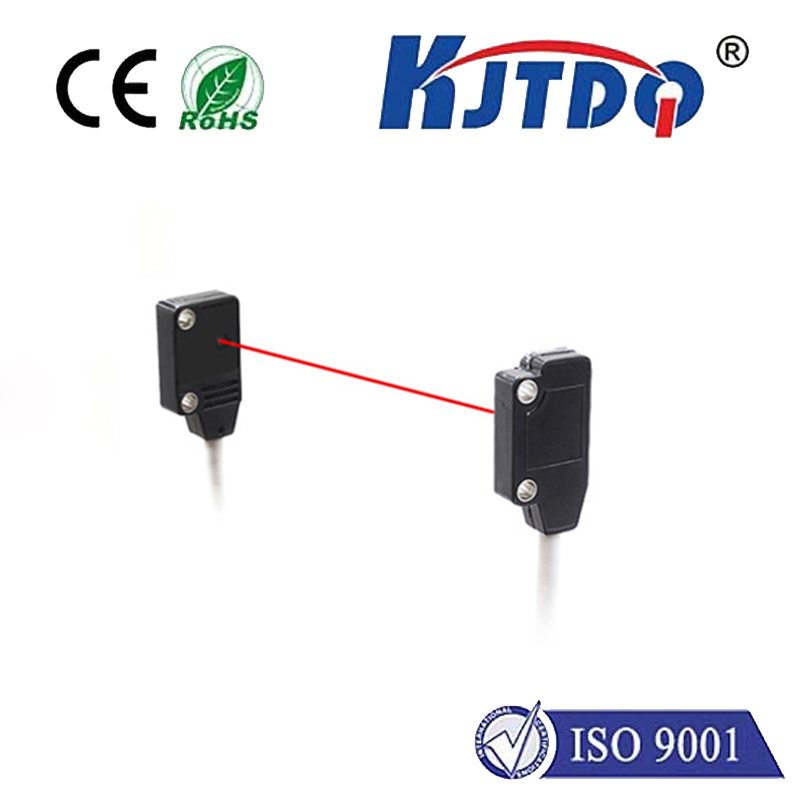
In the dynamic landscape of industrial automation, achieving unparalleled precision and reliability is not just a goal; it's a fundamental requirement. The OMT50-R101-2EP-IO-0,3M-V1 laser sensor emerges as a pivotal component engineered to meet these exacting demands. This device represents a significant leap forward in sensing technology, designed to deliver consistent performance in diverse and challenging environments.
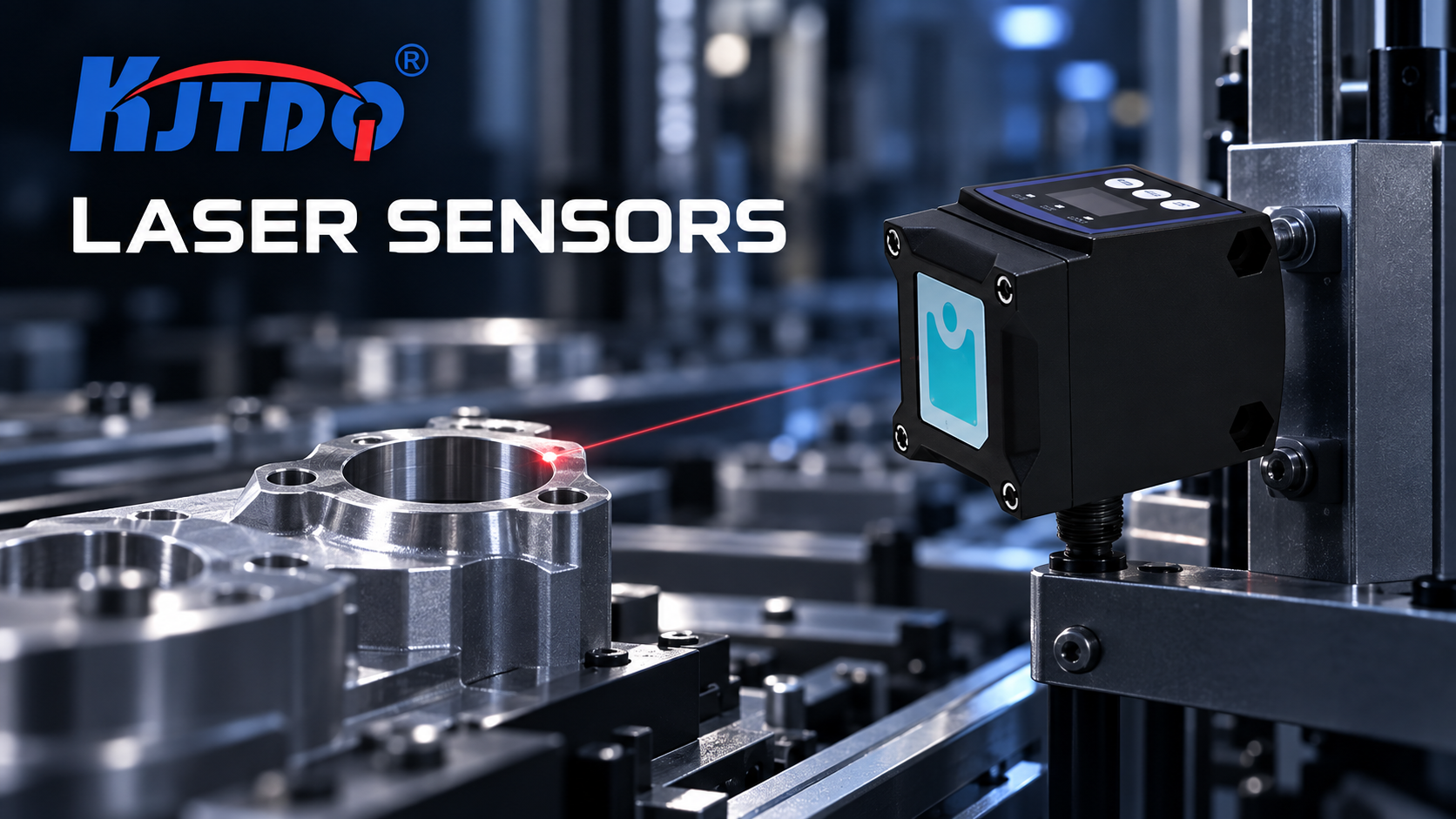
The core of the OMT50-R101-2EP-IO-0,3M-V1 lies in its advanced laser triangulation principle. This method allows for non-contact, high-accuracy distance and position measurements. Unlike conventional sensors, it projects a focused laser beam onto the target object. The reflected light is captured by a high-resolution receiver at a specific angle, enabling the sensor's internal processor to calculate the exact distance with micron-level precision. This capability is crucial for applications where physical contact is impossible or undesirable, such as measuring delicate surfaces, hot materials, or rapidly moving objects.
A standout feature of this model is its integrated IO-Link communication interface, denoted by the "IO" in its part number. IO-Link is a point-to-point serial communication protocol that transforms a standard sensor into a smart, data-rich device. It allows for seamless bidirectional data exchange with the control system. Through IO-Link, users can not only read the measured value but also remotely configure parameters like switching thresholds, response time, and laser power. This facilitates quick setup, minimizes downtime during changeovers, and enables advanced condition monitoring by providing diagnostic data and event messages directly to the controller.
The sensor's robust construction ensures durability in harsh industrial settings. With an IP67 rating, it is protected against dust ingress and temporary immersion in water, making it suitable for washdown areas in food and beverage or pharmaceutical production. The 0.3-meter fixed cable ("0,3M") provides a reliable connection, while the 2EP designation often relates to specific electrical or output characteristics, ensuring compatibility with standard industrial voltage supplies and providing stable PNP or NPN switching outputs for direct integration into control circuits.
Practical applications for the OMT50-R101-2EP-IO-0,3M-V1 are vast and varied. In automotive assembly lines, it ensures precise gap and flush measurement between body panels. In electronics manufacturing, it verifies component placement height on printed circuit boards. Within packaging machinery, it controls fill levels or checks label presence with exceptional accuracy. Its high-speed response makes it ideal for sorting systems and robotics, where real-time positional feedback is essential for precise guidance and handling.
Implementing this laser sensor translates into tangible operational benefits. The high accuracy reduces material waste and improves product quality by catching deviations early. Reliability minimizes unplanned stoppages, boosting overall equipment effectiveness (OEE). The smart IO-Link functionality supports predictive maintenance strategies, as trends in sensor data can signal the need for cleaning or calibration before a failure occurs, further enhancing production continuity.
Selecting the right sensor is critical. The OMT50-R101-2EP-IO-0,3M-V1 is designed for tasks requiring fine resolution and exact measurement over short to medium ranges. Its specifications, including measuring range, resolution, and linearity, are tailored for such precision roles. For engineers and system integrators, understanding these parameters ensures the sensor is matched correctly to the application, guaranteeing optimal performance.
In conclusion, the OMT50-R101-2EP-IO-0,3M-V1 laser sensor is more than just a component; it is an enabler of precision and intelligence on the factory floor. By combining accurate laser measurement with the power of IO-Link digital communication, it provides a future-proof solution that enhances control, flexibility, and efficiency in modern automated systems. Its role is integral in driving quality, reducing waste, and supporting the data-driven decision-making that defines Industry 4.0.