check

check

check

check
check
check
check
check
check

check
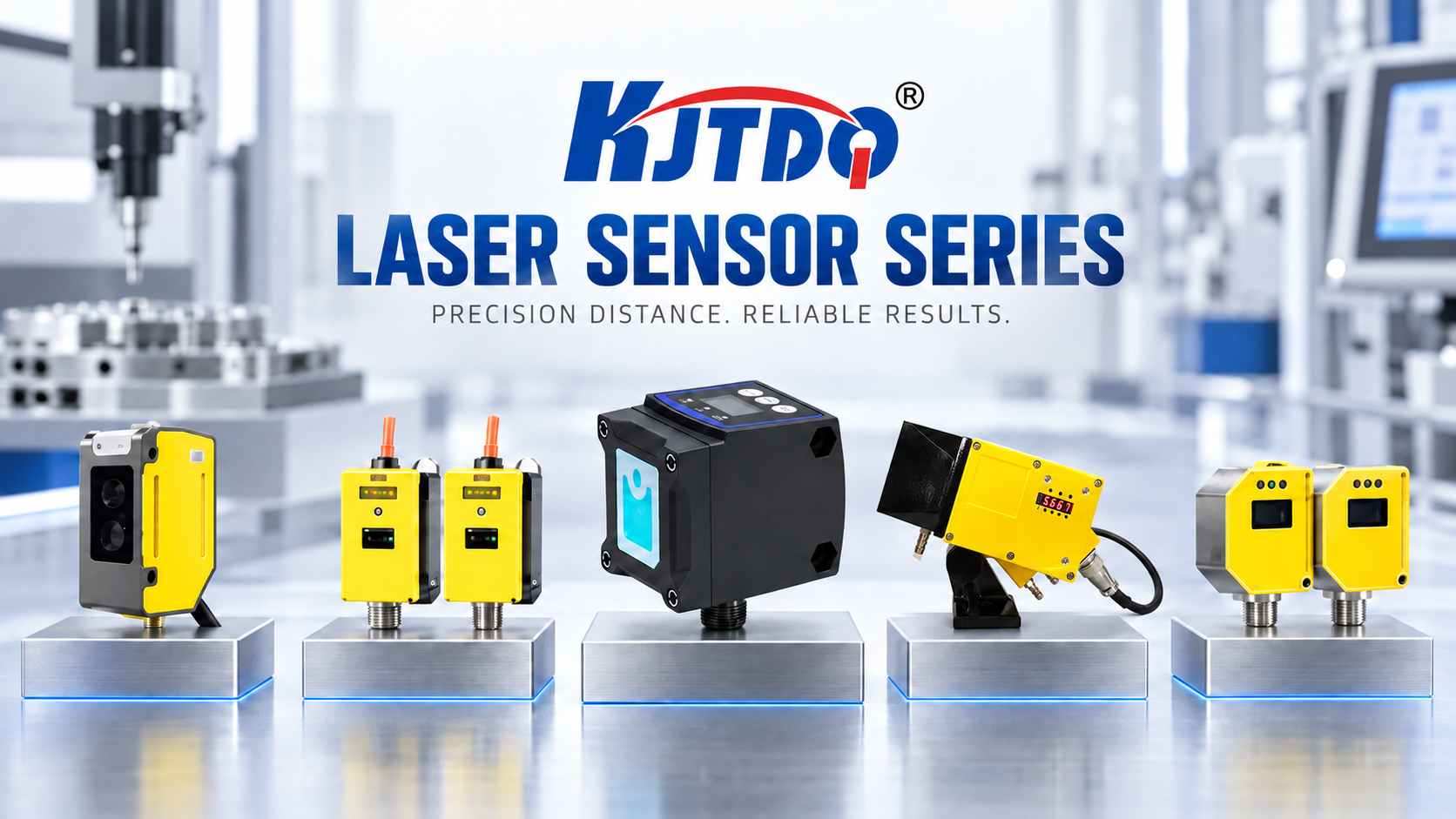
In the world of industrial automation and precision engineering, the demand for reliable, accurate, and robust sensing solutions is paramount. Among the myriad of options available, laser sensors have carved out a critical niche, offering unparalleled performance in distance measurement, object detection, and quality control. The LR-ZB100C3P laser sensor stands as a prominent example of this technology, engineered to meet the rigorous demands of modern manufacturing and research environments. This guide delves into the core features, applications, and advantages of this specific sensor model, providing a comprehensive overview for engineers, system integrators, and procurement specialists.
At its heart, the LR-ZB100C3P is a diffuse-reflective laser sensor. This operational principle involves the sensor emitting a focused laser beam towards a target. The beam is then diffusely reflected off the target's surface, and a portion of this reflected light returns to the sensor's receiver. By analyzing this returned signal, the sensor can accurately determine the presence or absence of an object, and with advanced models, precisely calculate the distance to that object. The "laser" component is key here, providing a highly collimated, intense light source that allows for long sensing ranges, exceptional accuracy, and the ability to detect very small or low-contrast objects that might elude other optical sensors.
The specifications of the LR-ZB100C3P are tailored for challenging industrial settings. A typical model offers a sensing range that accommodates both near-field and mid-field detection needs. Its high resolution enables it to detect minute changes in position or the presence of extremely fine objects. The response time is exceptionally fast, often in the microsecond range, making it suitable for high-speed production lines where every millisecond counts. Furthermore, it is designed with robust environmental resistance, featuring IP67 or higher ingress protection ratings. This means it is dust-tight and can withstand temporary immersion in water, ensuring reliable operation in harsh conditions involving coolants, oils, or outdoor exposure. The housing is typically made of durable metal or high-grade plastic, resistant to vibrations and mechanical impacts common in factory environments.
The versatility of the LR-ZB100C3P laser sensor opens doors to a wide array of applications across multiple sectors. In automated assembly lines, it is indispensable for precise parts positioning, verifying the correct placement of components, and counting objects on conveyors. In packaging machinery, it ensures consistent fill levels, detects label presence, and monitors packaging integrity. The logistics industry utilizes these sensors for dimensioning parcels, palletizing guidance, and warehouse automation. Beyond manufacturing, they play a crucial role in semiconductor wafer handling, PCB inspection, and robotic guidance systems, where micron-level precision is non-negotiable. Their ability to work on various surface materials, including shiny, dark, or transparent objects (with appropriate settings or accessories), adds to their utility.
When compared to other sensing technologies like ultrasonic sensors or photoelectric sensors using LED light, the LR-ZB100C3P laser sensor presents distinct benefits. Its pinpoint laser spot allows for precise detection of small targets and enables accurate edge detection. The focused beam minimizes interference from background objects, leading to more stable and reliable readings. Laser sensors generally provide superior accuracy and repeatability over longer distances than their LED-based counterparts. While initial cost might be higher than some alternatives, the long-term value is realized through reduced downtime, fewer errors, and lower maintenance requirements due to their robust construction and consistent performance.
Selecting and implementing the LR-ZB100C3P requires careful consideration. Key factors include the required sensing distance, the size and reflectivity of the target object, the desired output type (e.g., NPN/PNP transistor, analog voltage/current), and the environmental conditions. Proper installation is critical; the sensor must be securely mounted to avoid misalignment from vibration. For optimal performance, especially with difficult surfaces, fine-tuning the sensitivity and response settings using the sensor's potentiometers or teach-in functions is essential. Regular maintenance involves keeping the lens clean from dust, oil, or debris to ensure the laser beam is not attenuated.
In conclusion, the LR-ZB100C3P laser sensor represents a sophisticated and reliable tool for modern industrial measurement and detection tasks. Its combination of laser precision, robust design, fast response, and environmental durability makes it a preferred choice for engineers seeking to enhance automation efficiency, improve product quality, and ensure process reliability. As industries continue to evolve towards smarter and more connected systems, the role of precise sensors like the LR-ZB100C3P will only become more central, driving innovation and operational excellence on the factory floor and beyond.