check

check

check

check
check
check
check
check
check

check
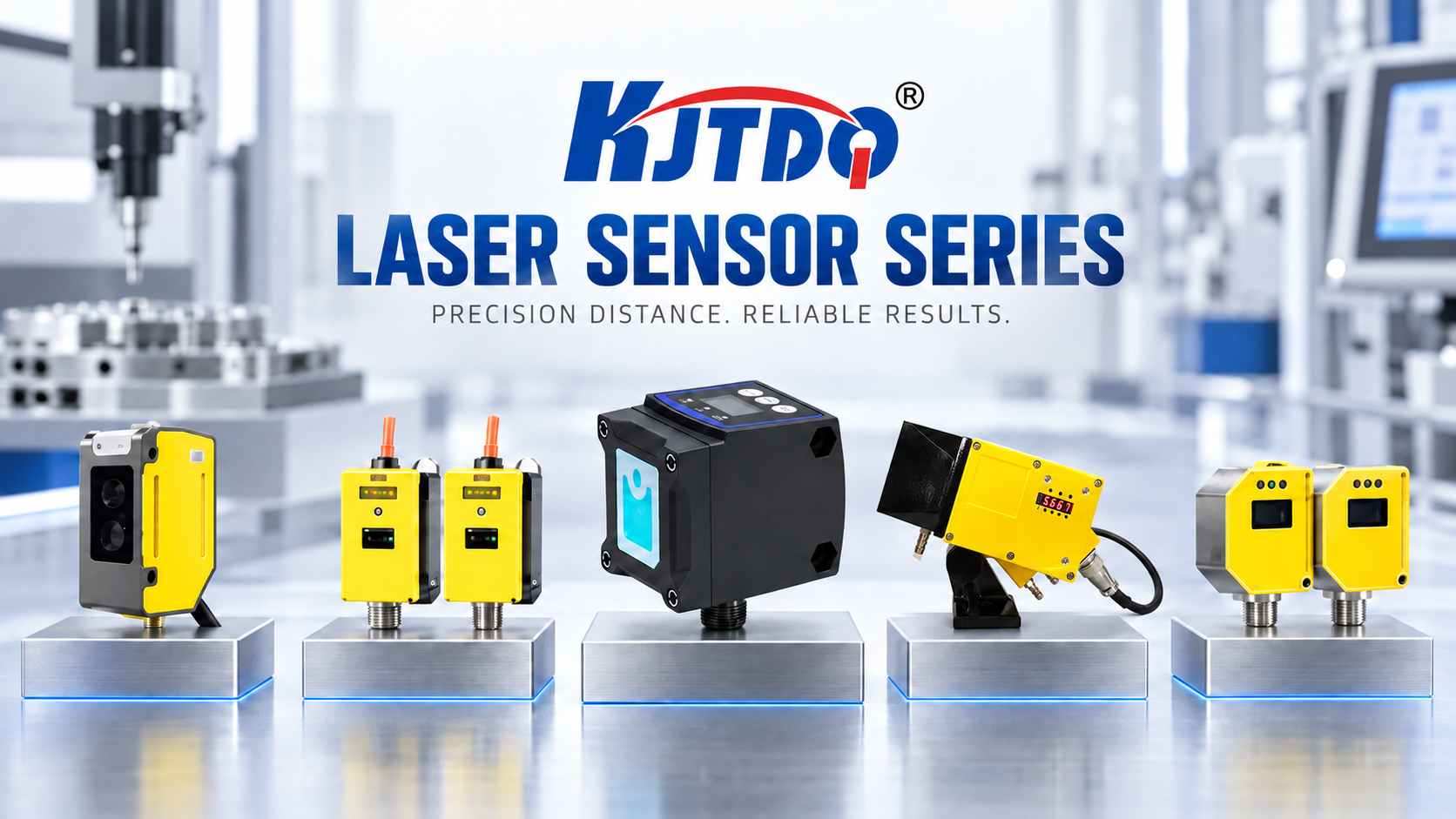
In the realm of industrial automation and precision measurement, the demand for reliable, accurate, and robust sensing technology is paramount. Among the leading solutions available today, the ZX-E series of laser displacement sensors stands out as a benchmark for performance and versatility. This guide delves into the core functionalities, key applications, and distinct advantages of the ZX-E laser sensor, providing a comprehensive overview for engineers and decision-makers.
The ZX-E laser sensor utilizes a highly focused laser beam to perform non-contact measurement of distance, displacement, height, and thickness. Its fundamental principle is based on the triangulation method. The sensor emits a laser spot onto the target object. The reflected light is then captured by a high-resolution CMOS imaging element at a specific angle. By precisely calculating the position of the reflected light spot on the receiver, the sensor determines the exact distance to the target with exceptional accuracy. This method allows for measurements that are immune to the surface color or material of most objects, ensuring consistent results across varied production lines.
One of the defining characteristics of the ZX-E series is its exceptional precision and speed. Capable of micrometer-level resolution and high-speed sampling rates, it can capture even the most minute variations or rapid movements in real-time. This makes it indispensable for quality control processes where tolerances are extremely tight. Whether it's inspecting the thickness of coated materials, verifying the coplanarity of electronic components, or monitoring the vibration of machinery, the ZX-E delivers data that operators can trust for critical decisions.
The application spectrum for the ZX-E laser sensor is remarkably broad. In the automotive industry, it is used for gap and flush measurement between body panels, ensuring a perfect fit and finish. In electronics manufacturing, it verifies the height of solder paste or the placement of miniature components on PCBs. Within the pharmaceutical sector, it can control the fill level in vials or check the thickness of blister packs. Furthermore, its robust housing and stable design allow it to perform reliably in challenging environments with dust, vibrations, or varying ambient light conditions, a testament to its industrial-grade construction.
Ease of integration and operation is another significant advantage. Many models in the ZX-E series feature intuitive teach functions, allowing for quick and simple setup without complex programming. Various output options, including analog voltage/current, digital I/O, and high-speed data communication protocols like EtherNet/IP or PROFINET, facilitate seamless connection to PLCs, robots, and data acquisition systems. This connectivity empowers smart factories by feeding precise measurement data directly into control networks for automated process adjustment and data analytics.
When compared to traditional contact probes or other optical sensors, the ZX-E laser sensor offers clear benefits. The non-contact nature eliminates wear and tear on the sensor tip and prevents damage to delicate target surfaces. It provides a consistent measurement point unaffected by probe force, leading to higher repeatability. The focused laser spot enables measurements on small or recessed areas that might be inaccessible to other tools.
In conclusion, the ZX-E laser sensor represents a sophisticated and essential tool for modern precision engineering. Its blend of high accuracy, fast response, environmental resilience, and user-friendly design addresses the core challenges in automated measurement and inspection. For industries striving to enhance product quality, optimize production efficiency, and implement rigorous process control, integrating the ZX-E series is a strategic step toward achieving higher levels of operational excellence and reliability. Selecting the right sensor model tailored to specific application parameters is key to unlocking its full potential and driving tangible improvements in manufacturing outcomes.