check
check
check
check
check
check
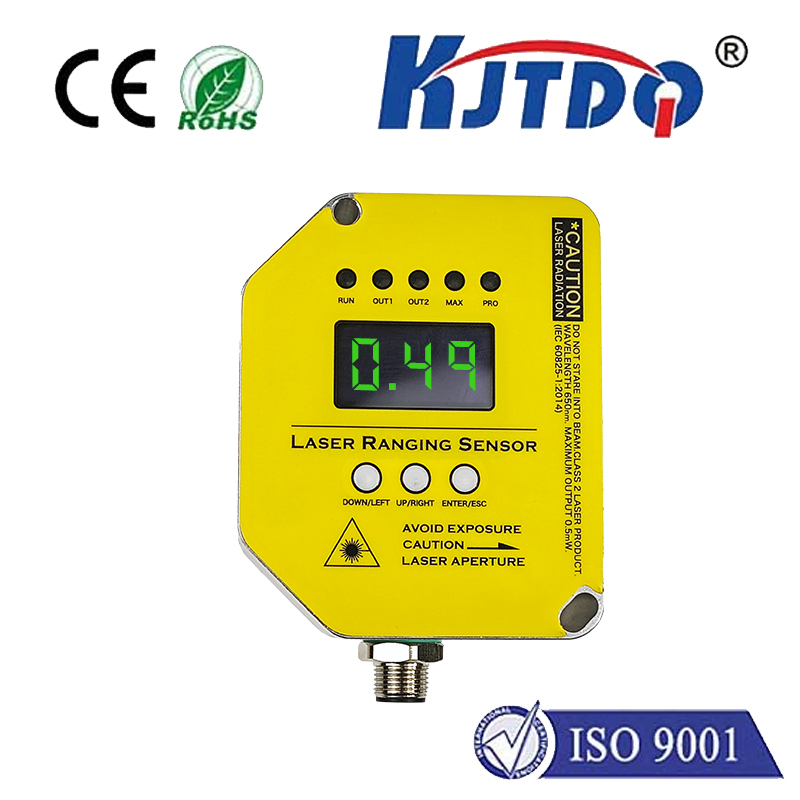
In the realm of industrial automation, robotics, and smart manufacturing, the demand for reliable, non-contact distance measurement is paramount. The OID200 laser sensor emerges as a sophisticated solution, engineered to deliver exceptional accuracy and stability in diverse and challenging environments. Unlike conventional sensors, the OID200 utilizes a precise laser triangulation principle, enabling it to perform micron-level measurements with remarkable consistency.
The core technology behind the OID200 involves projecting a focused laser beam onto the target surface. The reflected light is then captured by a high-resolution CMOS array at a specific angle. By calculating the position of the laser spot on this receiver, the sensor determines the exact distance to the object with high speed and precision. This method ensures minimal influence from surface color, material, or ambient light variations, a common challenge with other optical sensors. The OID200 typically offers a measuring range tailored for close-distance applications, such as 20mm to 200mm, with linearity errors often within a few micrometers.
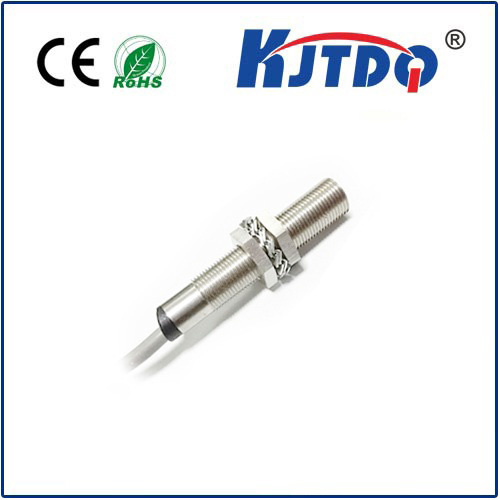
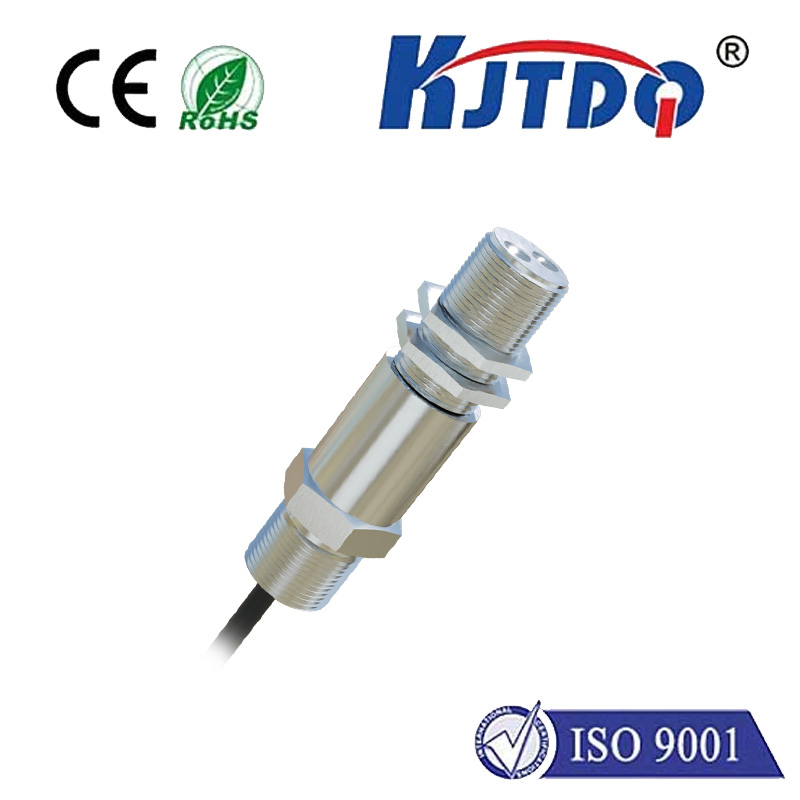
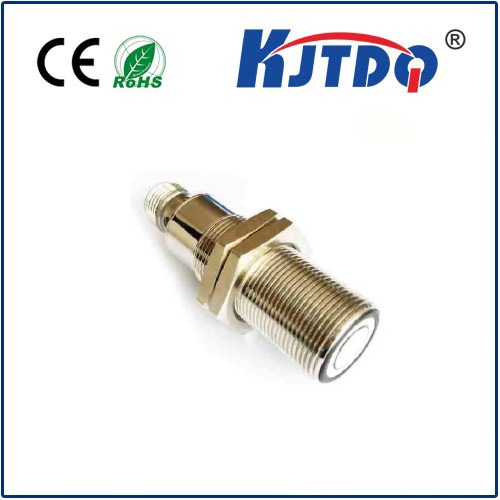
One of the standout features of the OID200 laser sensor is its robust design for industrial use. It is frequently housed in a rugged, metal casing with an IP67 protection rating, making it resistant to dust, water jets, and mechanical shocks. This durability ensures reliable operation on factory floors, in automated assembly lines, or in quality control stations where conditions are less than ideal. The sensor's compact form factor allows for easy integration into existing machinery and tight spaces.
The applications for the OID200 are vast and critical. In electronics manufacturing, it is indispensable for measuring component height, PCB warpage, and solder paste thickness. Within the automotive sector, it assists in gap and flush measurement between body panels, ensuring perfect alignment and premium build quality. Furthermore, it plays a vital role in logistics for parcel dimensioning, in robotics for precise object positioning and pick-and-place operations, and in semiconductor fabrication for wafer mapping.
Integration is straightforward, thanks to multiple output options. Most OID200 models provide analog outputs (0-10V or 4-20mA) for continuous distance data and digital I/O (NPN or PNP) for switching tasks or triggering measurements. Communication via RS-232 or industrial Ethernet protocols like EtherNet/IP or PROFINET is also common, facilitating seamless data exchange with PLCs, PCs, and other control systems. This flexibility allows engineers to incorporate the sensor into virtually any automation network.
When selecting an OID200 laser sensor, several key parameters must be evaluated. The measuring range, resolution, repeatability, and response time should align with the specific task. The type of laser (usually a visible red laser for easy alignment) and its safety class are also important considerations. For surfaces with varying reflectivity, such as shiny metals or dark plastics, models with automatic exposure control or teach-in functions can compensate and maintain measurement accuracy.
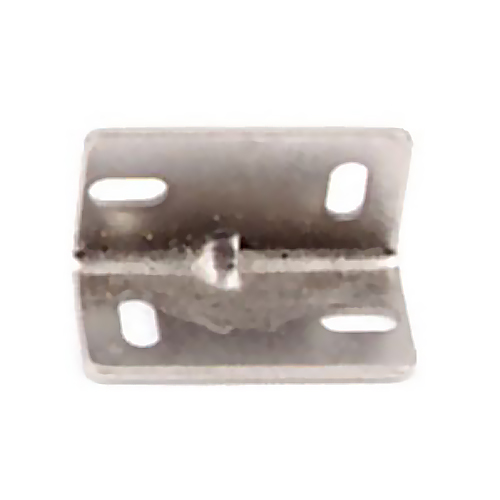
Installation best practices are crucial for optimal performance. Ensuring a stable mounting, minimizing vibrations, and avoiding optical interference from other strong light sources are essential steps. Regular maintenance involves keeping the laser window clean from dust and oil mist, which can scatter the beam and degrade signal quality. Proper calibration according to the manufacturer's guidelines guarantees long-term measurement fidelity.
In conclusion, the OID200 laser sensor represents a pinnacle of precision measurement technology. Its blend of high accuracy, environmental robustness, and versatile interfacing makes it an invaluable tool for engineers and technicians aiming to enhance quality, efficiency, and automation intelligence. By providing trustworthy dimensional data, it empowers systems to make real-time decisions, driving forward the capabilities of modern industry.