check
check
check
check
check
check
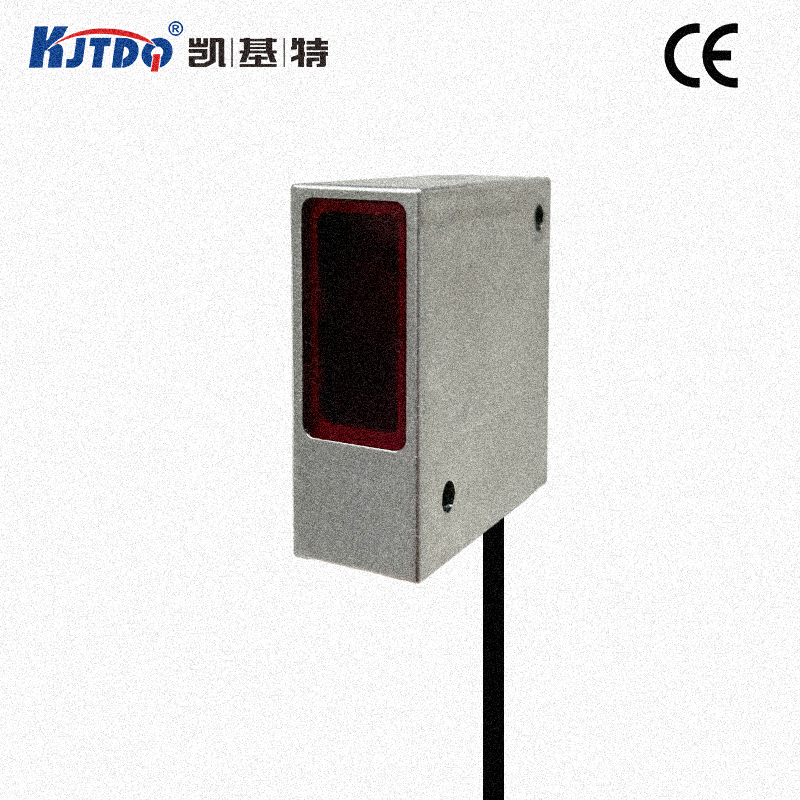
In industrial automation and precision measurement applications, the demand for reliable, accurate, and robust distance sensing technology is paramount. The P1PY137 laser sensor emerges as a leading solution, engineered to meet the rigorous challenges of modern manufacturing, logistics, and quality control environments. Unlike conventional sensing methods, this laser sensor utilizes a focused beam of light to deliver exceptional performance where it matters most.
The core technology behind the P1PY137 is based on time-of-flight or phase-shift measurement principles. It emits a modulated laser beam towards a target object. The sensor then precisely calculates the distance by measuring the time delay or phase difference between the emitted and reflected light signals. This method ensures high immunity to ambient light interference and target surface characteristics, providing stable readings even on challenging materials like dark, shiny, or transparent surfaces. The result is consistent, non-contact measurement with minimal setup complexity.
Key performance specifications set the P1PY137 apart. It typically offers a high measuring range, often extending up to several meters, with sub-millimeter resolution. The response time is remarkably fast, enabling real-time feedback for dynamic processes on production lines. Furthermore, its compact and rugged housing is designed to withstand harsh industrial conditions, including dust, vibrations, and temperature variations, ensuring long-term operational reliability without frequent recalibration.
Integration into existing systems is straightforward. The P1PY137 laser sensor commonly features standard industrial output interfaces such as analog voltage/current signals (0-10V, 4-20mA) or digital protocols like IO-Link and various bus systems. This flexibility allows seamless connection to PLCs (Programmable Logic Controllers), data acquisition systems, and robotic controllers. Configuration is often simplified through intuitive teach-in functions or dedicated software, enabling quick adaptation to different measurement tasks, from height detection and positioning to contour profiling and presence verification.
The practical applications of the P1PY137 are vast and impactful. In automotive assembly, it ensures precise gap and flush measurement between body panels. In packaging machinery, it controls fill levels and checks package dimensions with unwavering accuracy. Within warehouse automation, it guides robotic arms for precise picking and placement, while in semiconductor manufacturing, it monitors wafer positioning with the necessary micron-level precision. Its versatility makes it an indispensable tool for enhancing productivity, reducing waste, and maintaining stringent quality standards.
When selecting a laser sensor like the P1PY137, several factors warrant consideration. The required measuring range, resolution, and response speed must align with the application's needs. The sensor's laser class (typically Class 2, which is eye-safe under normal operating conditions) and housing rating (e.g., IP67 for dust and water resistance) are crucial for safety and durability. Additionally, evaluating the mounting options and environmental conditions at the installation site ensures optimal performance and longevity.
Compared to ultrasonic or inductive sensors, laser sensors provide superior accuracy and a much smaller, well-defined measurement spot, allowing for precise targeting of small features. The P1PY137 exemplifies these advantages, offering a blend of precision, speed, and robustness that is critical for modern industrial automation. Its deployment leads to smarter, more efficient, and more reliable processes, directly contributing to operational excellence and cost savings.
In conclusion, the P1PY137 laser sensor represents a sophisticated yet highly practical technology for non-contact distance measurement. Its advanced optical design, robust construction, and easy integration capabilities make it a preferred choice for engineers and system integrators worldwide. By delivering precise, repeatable data in real-time, it empowers industries to push the boundaries of automation, quality control, and process optimization, solidifying its role as a key component in the toolkit of industrial innovation.