check
check
check
check
check
check
In the realm of industrial automation and precision measurement, the demand for reliable, accurate, and robust sensing solutions is paramount. Among the array of technologies available, laser sensors have carved out a critical niche, offering unparalleled performance in challenging environments. The ZX-SAM11 laser sensor stands as a prominent example of this advanced technology, engineered to deliver exceptional results where it matters most. This guide delves into the core features, operational principles, and diverse applications of this sophisticated device, providing a comprehensive overview for engineers, system integrators, and decision-makers.
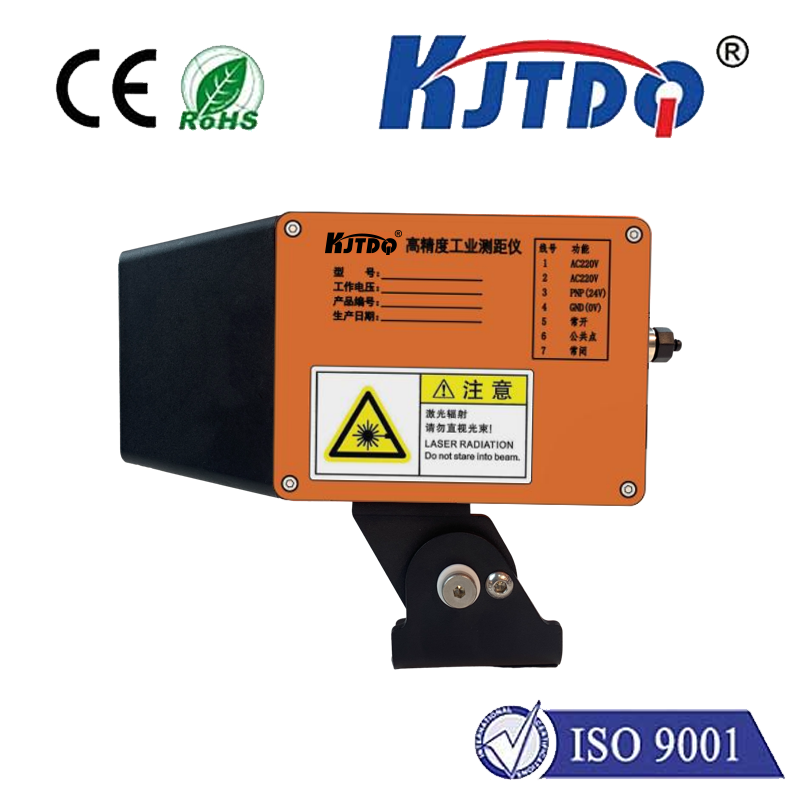
At its heart, the ZX-SAM11 is a through-beam type laser sensor. This design utilizes two separate units: a laser emitter and a receiver. The emitter projects a highly focused, coherent beam of laser light towards the receiver. When an object passes between these two units, it interrupts this beam. The receiver detects this interruption and triggers a switching signal. This fundamental principle allows for the detection of virtually any object, regardless of its material, color, or surface texture—be it transparent glass, shiny metal, or matte plastic. This immunity to object characteristics is a significant advantage over other sensing technologies like diffuse-reflective or retro-reflective sensors, which can be influenced by the target's properties.
The precision of the ZX-SAM11 is one of its most lauded attributes. Leveraging the consistent and narrow nature of the laser beam, it achieves extremely high positional accuracy. This makes it ideal for applications requiring exact detection points, such as in semiconductor manufacturing for wafer positioning, in packaging lines for precise label verification, or in assembly robots for component placement. The sensor's response time is remarkably fast, enabling it to detect objects moving at high speeds on conveyor belts or production lines without missing a beat. This combination of speed and accuracy minimizes production errors and enhances overall throughput.
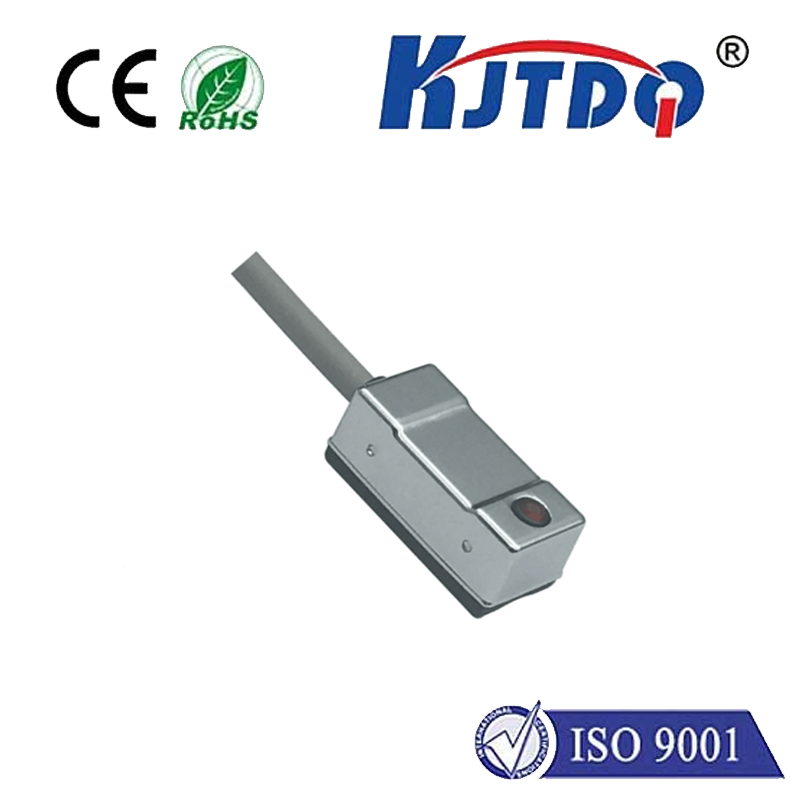
Durability and resilience are built into the ZX-SAM11's design. Industrial settings are often fraught with challenges like dust, oil, coolant mist, and mechanical vibrations. The sensor housing is typically constructed from robust materials like stainless steel or high-grade plastics, offering substantial resistance to physical impact and environmental contaminants. Many models feature an IP67 or higher ingress protection rating, meaning they are dust-tight and can withstand temporary immersion in water. This ruggedness ensures stable, long-term operation with minimal maintenance, even in the harshest factory conditions, reducing downtime and total cost of ownership.
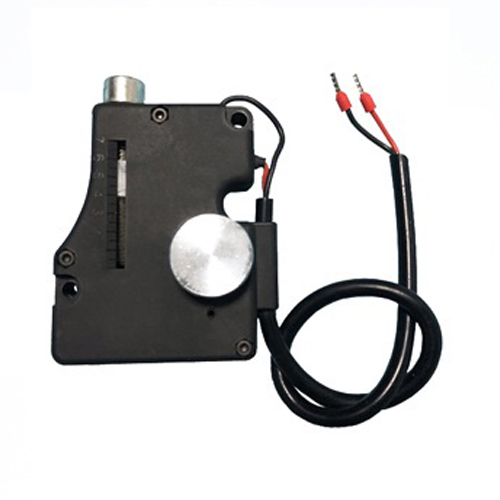
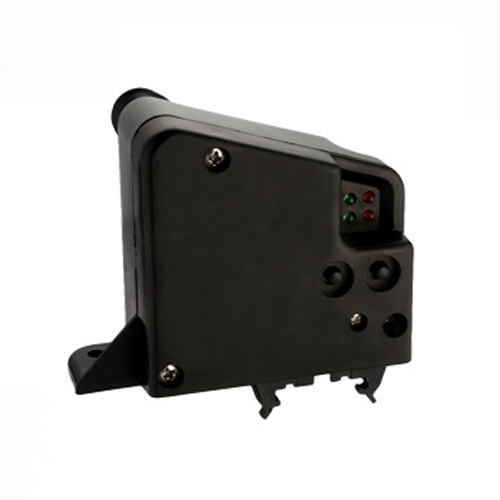
Installation and alignment, often a concern with through-beam sensors, are streamlined in the ZX-SAM11 series. Manufacturers often incorporate intuitive alignment aids, such as visible red laser beams or bright LED indicators on both the emitter and receiver. These features allow technicians to quickly and accurately align the two units over long distances, sometimes up to several meters, simplifying the setup process significantly. Once aligned, the stable laser beam maintains its path with little drift, ensuring consistent performance without the need for frequent recalibration.
The application spectrum for the ZX-SAM11 laser sensor is vast. In the automotive industry, it is used for precise part presence detection on automated assembly lines. In the food and beverage sector, it reliably counts bottles or checks fill levels, even through transparent containers. In logistics and warehousing, these sensors form the backbone of parcel dimensioning systems and automated sorting gates. Furthermore, they play a crucial role in safety systems, creating invisible light curtains around hazardous machinery to protect personnel. Their versatility and reliability make them a foundational component in building smarter, more efficient, and safer industrial operations.
When selecting a sensor for a critical application, factors beyond basic detection must be considered. The ZX-SAM11 addresses these with features like adjustable sensitivity, various output options (NPN/PNP transistors, analog outputs), and compatibility with different supply voltages. This flexibility allows it to integrate seamlessly into existing control systems, whether programmable logic controllers (PLCs) or more advanced industrial PCs. Choosing a reputable supplier for the ZX-SAM11 is equally important, ensuring access to technical support, comprehensive documentation, and genuine, high-quality components.
In conclusion, the ZX-SAM11 laser sensor represents a fusion of precision engineering and practical design. Its through-beam operation guarantees reliable object detection independent of surface conditions, while its robust construction ensures endurance in demanding environments. From enhancing manufacturing accuracy to safeguarding workers, its contributions to modern industry are substantial. For any project demanding high-performance, dependable sensing, the ZX-SAM11 emerges as a compelling and trustworthy solution, driving efficiency and innovation on the factory floor and beyond.