check

check

check

check

check

check
In the fast-paced world of industrial automation and machinery, operational efficiency is paramount, but it should never come at the expense of worker safety. This is where emergency stop devices, particularly pull cord switches, become non-negotiable components of a robust safety system. The E3FA-DP13 pull cord switch stands out as a critical safety sentinel, designed to provide a reliable and immediate means of halting machinery in hazardous situations, thereby safeguarding personnel and preventing costly equipment damage.
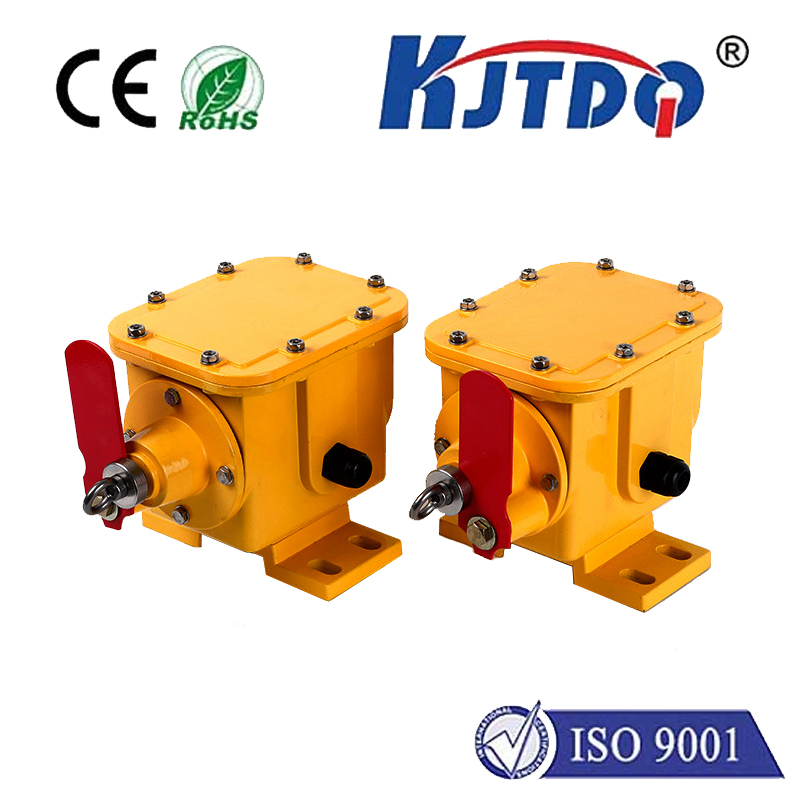
The fundamental principle of a pull cord switch is elegantly simple yet profoundly effective. Installed along the length of a conveyor belt, processing line, or other extended machinery, it features a prominently accessible cable or rope. In the event of an emergency—such as a worker becoming entangled, a material jam, or any other unsafe condition—any person along the run can instantly actuate the switch by pulling the cord. This action triggers the switch to cut power to the drive motor or control circuit, bringing the equipment to a swift and controlled stop. The E3FA-DP13 model excels in this role by offering high reliability and durability under demanding industrial conditions.
What sets the E3FA-DP13 apart are its specific engineering features tailored for harsh environments. Constructed with a robust housing, typically from metal or high-grade industrial plastic, it offers significant resistance to impact, vibration, and environmental contaminants like dust, moisture, and oil. This ensures consistent performance even in challenging settings such as mining operations, aggregate plants, packaging facilities, and wood processing mills. Its design often includes a highly visible actuator and a clear indication of the switch status (normal or tripped), which is crucial for quick identification during operational checks or after an emergency stop.
Installation and integration are streamlined for efficiency. The E3FA-DP13 is designed for straightforward mounting along machinery frames. Its electrical connections are compatible with standard control systems, allowing it to be seamlessly integrated into existing safety circuits or new machine designs. A key maintenance feature is the manual reset function. After the cord has been pulled and the emergency is resolved, the switch must be manually reset by an authorized operator. This deliberate step prevents automatic or accidental restart, ensuring the area is safe and the cause of the stop has been addressed before operations resume, a critical protocol in lockout/tagout safety procedures.
Beyond the basic emergency function, the application of the E3FA-DP13 pull cord switch is a direct contributor to regulatory compliance and risk management. Industries worldwide are governed by strict safety standards (such as ISO 13850, IEC 60947-5-5, and various regional machinery directives) that mandate the use of accessible emergency stop devices on hazardous equipment. Implementing reliable components like the E3FA-DP13 helps companies meet these legal obligations, reducing the risk of regulatory penalties. More importantly, it demonstrates a tangible commitment to a culture of safety, which can improve employee morale, reduce downtime from accidents, and lower insurance liabilities.
For plant managers, safety engineers, and procurement specialists, selecting the right pull cord switch is a decision with long-term implications. The E3FA-DP13 represents a balance of immediate safety functionality and long-term operational reliability. Its durability minimizes unplanned maintenance and replacement costs, while its reliable operation ensures the safety system performs as intended when every second counts. In essence, it is not merely a component purchase but an investment in continuous production protection and human welfare.
In conclusion, in the complex ecosystem of industrial operations, the E3FA-DP13 pull cord switch serves as a vital, simple, and highly effective safety link. It empowers every worker along a production line with the ability to initiate an immediate shutdown, placing safety directly in their hands. By ensuring quick response to emergencies, facilitating regulatory compliance, and protecting both personnel and capital assets, this device proves to be an indispensable element of modern industrial safety architecture, where preventing incidents is always more valuable than responding to them.