check

check

check

check

check

check
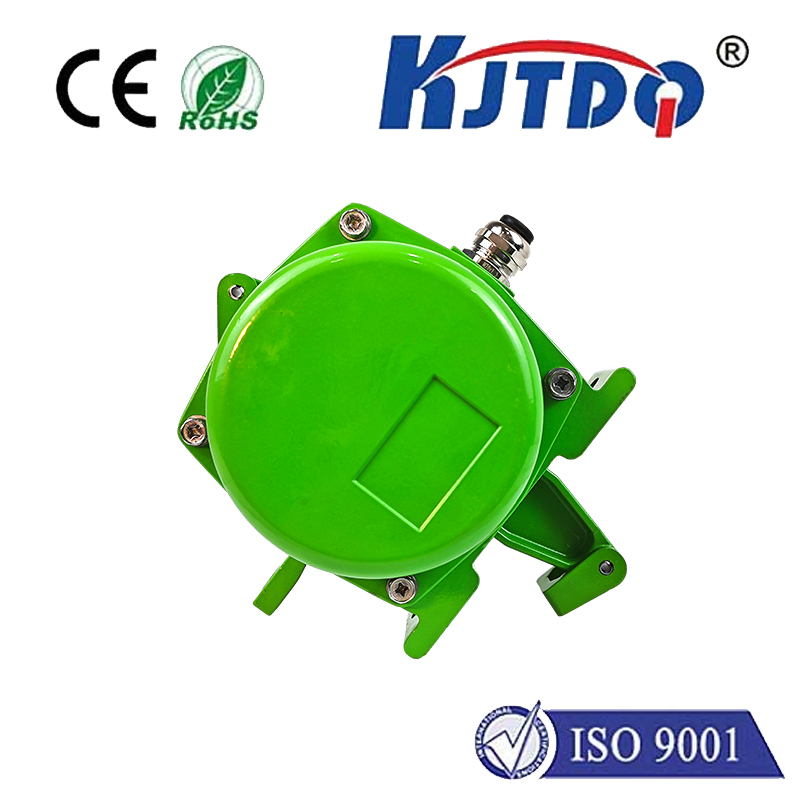
In the demanding world of industrial automation and machinery control, safety and reliability are not just features—they are fundamental requirements. The BIKLA-D-220V Pull Cord Switch emerges as a critical component in this landscape, designed to provide an immediate and effective means of emergency stopping for conveyor belts, processing lines, and various other industrial applications. This device is engineered for durability and precise operation, ensuring that personnel safety and equipment protection are never compromised.
The core function of the BIKLA-D-220V is straightforward yet vital: it is an emergency stop switch activated by pulling a cord that runs along the length of a machine or conveyor. When the cord is pulled, the switch mechanism is triggered, instantly cutting power to the drive motor and bringing the equipment to a halt. This simple action can prevent serious injuries, minimize material damage, and avoid costly production downtime. The "220V" designation indicates its standard operating voltage, making it compatible with a wide range of industrial electrical systems globally.
What sets the BIKLA-D model apart is its robust construction. Typically housed in a rugged, sealed enclosure, it is built to withstand harsh industrial environments. It resists dust, moisture, and mechanical impacts, ensuring consistent performance in settings like mining, aggregate processing, packaging plants, and manufacturing floors. The internal switching mechanism is designed for high reliability and a long operational life, often featuring a positive break action that guarantees circuit interruption even under challenging conditions. The pull cord itself is usually made of a durable, weather-resistant material with high tensile strength, and it can be installed over significant distances to cover the entire hazardous zone of a machine.
Installation and integration of the BIKLA-D-220V Pull Cord Switch are designed with practicality in mind. It can be mounted at strategic points along a conveyor, often at both the head and tail ends, and at regular intervals for easy access. The switch is typically wired into the motor control circuit's safety loop. Modern versions often come with a manual reset function; after an emergency stop is activated, the switch must be physically reset by an operator to restart the machinery. This prevents accidental or unauthorized restarting, adding another layer of safety protocol. Many models also feature a highly visible status indicator, such as a brightly colored flag or LED, that clearly shows when the switch has been tripped, aiding in quick identification of the problem area during an incident.
Beyond basic emergency stopping, the BIKLA-D-220V plays a crucial role in comprehensive safety systems. It is frequently integrated with other safety devices like belt misalignment switches, zero-speed switches, and emergency stop buttons to create a multi-layered safety net. This integration ensures that if any single device detects a fault or hazard, the entire system can be shut down safely. For facility managers and engineers, choosing a reliable pull cord switch like the BIKLA-D-220V is a direct investment in operational safety, regulatory compliance (adhering to standards like ISO 13850 for emergency stop functions), and risk management. It demonstrates a commitment to creating a safe working environment, which is essential for employee well-being and sustainable productivity.
Regular testing and maintenance are key to ensuring the BIKLA-D-220V performs when needed most. A routine check should involve a functional test of the pull cord mechanism to verify it cleanly breaks the circuit and that the reset function works correctly. The cord should be inspected for wear, fraying, or any obstructions that might impede its free movement. Keeping the switch enclosure clean and checking for secure electrical connections are simple yet vital steps in a preventative maintenance schedule. Ultimately, the BIKLA-D-220V Pull Cord Switch is more than just a component; it is a guardian of workplace safety. Its presence along a production line provides operators with a direct, physical means to assert control in a potentially dangerous situation, making it an indispensable element of responsible industrial operation.