check

check

check

check

check

check
In the complex world of industrial heating and combustion systems, safety and reliability are not just priorities—they are non-negotiable mandates. At the heart of safeguarding these critical processes lies a seemingly simple yet profoundly important component: the flame limit switch. This device, particularly the advanced KJTDQ model, serves as the vigilant guardian of thermal operations, preventing catastrophic failures and ensuring seamless functionality.
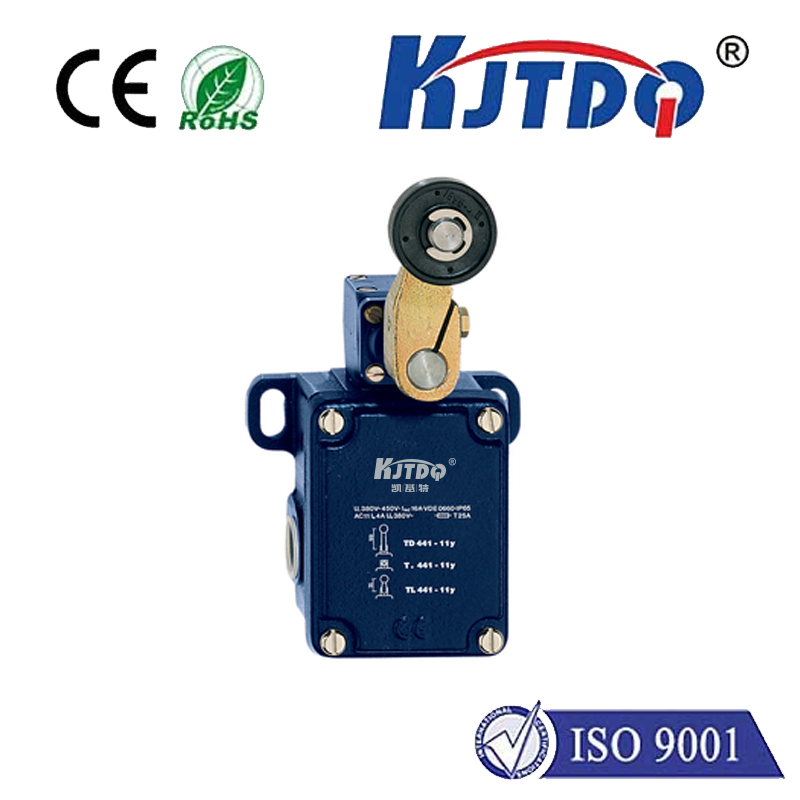
A flame limit switch is a safety control device designed to monitor the presence of a flame in a combustion system, such as those found in industrial furnaces, boilers, and large-scale heaters. Its primary function is to verify that a flame is properly established before allowing fuel to continue flowing. If the flame is detected as absent or unstable, the switch immediately interrupts the fuel supply, thereby preventing the dangerous accumulation of unburned fuel which could lead to explosions or hazardous flare-ups. This fundamental safety interlock is crucial for protecting equipment, personnel, and facilities.
The KJTDQ flame limit switch represents a significant evolution in this technology. Engineered for high-performance applications, it integrates precision sensing with robust construction. Unlike basic thermal switches, the KJTDQ utilizes advanced sensing mechanisms, often incorporating ultraviolet (UV) or infrared (IR) scanners, to detect the specific light spectrum emitted by a flame. This method provides a faster and more reliable confirmation of flame presence compared to traditional temperature-based probes, which can be slower to react and potentially fooled by hot refractory materials.
The operational principle is elegantly straightforward but critical. Upon a system start-up command, the pilot or main burner is ignited. The KJTDQ switch's sensor, strategically positioned to have a clear view of the flame, immediately begins its analysis. Once it confirms a stable, legitimate flame signal within its programmed parameters, it closes a circuit, sending a "flame proven" signal to the main burner control or programmable logic controller (PLC). This signal permits the main fuel valve to remain open and allows the system to proceed to its full operating mode. Should the flame extinguish or become erratic at any point during operation, the sensor loses the validated signal. The KJTDQ switch then rapidly opens the circuit, triggering a safety shutdown sequence that cuts off the fuel supply and alerts operators to the fault.
The integration of the KJTDQ switch into modern industrial systems offers multifaceted benefits. First and foremost is enhanced safety. By providing a fail-safe mechanism against flame failure, it directly mitigates the risk of fire and explosion. Secondly, it promotes operational efficiency. Unnecessary shutdowns are minimized because the switch accurately distinguishes between a true flame failure and transient conditions, reducing costly downtime and maintenance interventions. Furthermore, its durability in harsh industrial environments—resistant to vibration, high ambient temperatures, and electromagnetic interference—ensures long-term reliability and reduces the total cost of ownership.
Regular inspection and maintenance are key to sustaining the optimal performance of any flame safeguard device, including the KJTDQ model. Technicians should periodically clean the sensor's viewing window or lens to prevent obscuration from dirt, soot, or oil mist, which could lead to false signals. The alignment of the sensor should be verified to ensure it has an unobstructed line of sight to the flame. Functional testing, as part of a routine safety procedure, is essential to confirm that the switch responds correctly to both the presence and absence of a flame.
In conclusion, the flame limit switch is an indispensable sentinel in the realm of combustion safety. The KJTDQ variant elevates this role through advanced optical sensing and robust design, offering industries a reliable solution to manage risk and maintain continuous operation. Its implementation is a testament to the commitment to engineering systems where safety and productivity coexist seamlessly. For engineers and facility managers overseeing heating processes, specifying and maintaining a high-quality flame limit switch like the KJTDQ is not merely a technical choice; it is a fundamental responsibility for safe and efficient plant operation.