check

check

check

check

check

check
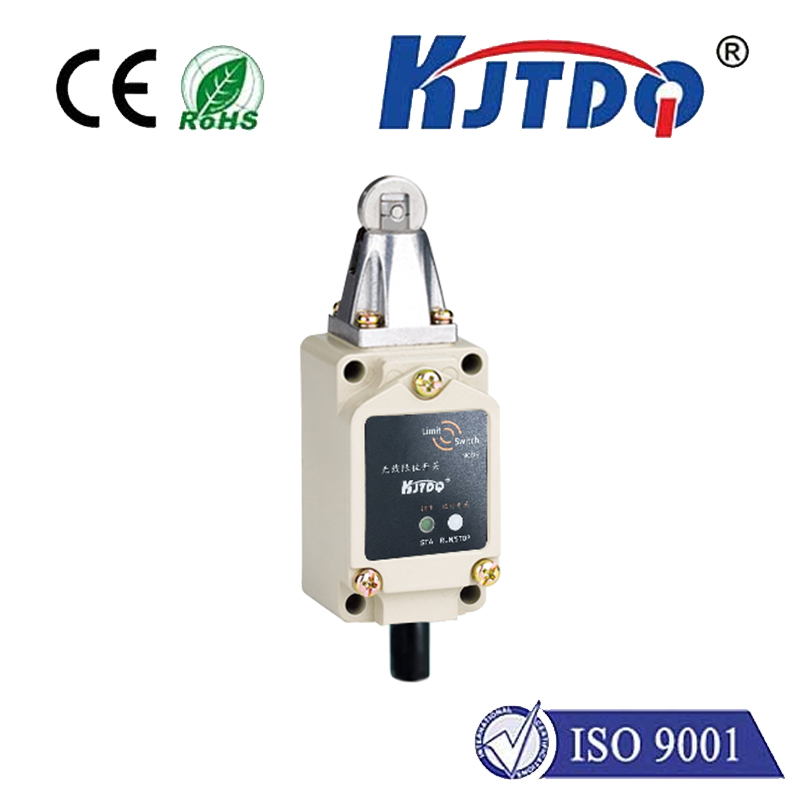
In the intricate world of industrial automation, where precision and reliability are non-negotiable, the humble limit switch plays a pivotal role. Among the trusted names in this critical component category, the Surdhi limit switch stands out for its robust performance and consistent operation. These devices serve as the essential sentinels of machinery, providing crucial positional feedback and control to ensure systems operate within safe and predefined parameters. The fundamental principle is straightforward yet brilliant: a physical actuator makes or breaks an electrical contact when a machine part reaches a specific point, sending a clear signal to the control system to initiate the next action or halt movement entirely.
The application of Surdhi limit switches spans a vast industrial landscape. You will find them diligently at work on conveyor belts, where they detect the presence or absence of items, control sorting mechanisms, and prevent jams. In automated assembly lines, they ensure robotic arms and tools are in the correct starting position before a cycle begins, guaranteeing repeatable accuracy. Machine tools, packaging equipment, and material handling systems all rely on the definitive "on/off" signal provided by these switches to sequence operations flawlessly. Their role in safety is particularly paramount; they act as hard-wired interlocks on guards and doors, immediately cutting power to prevent access to hazardous areas during operation, thereby protecting both personnel and equipment.
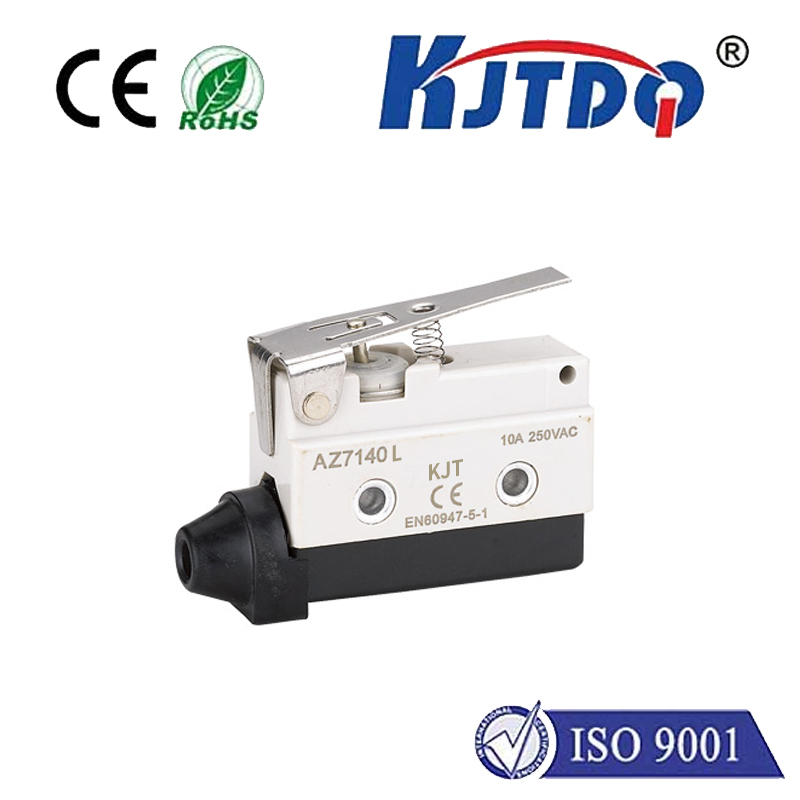
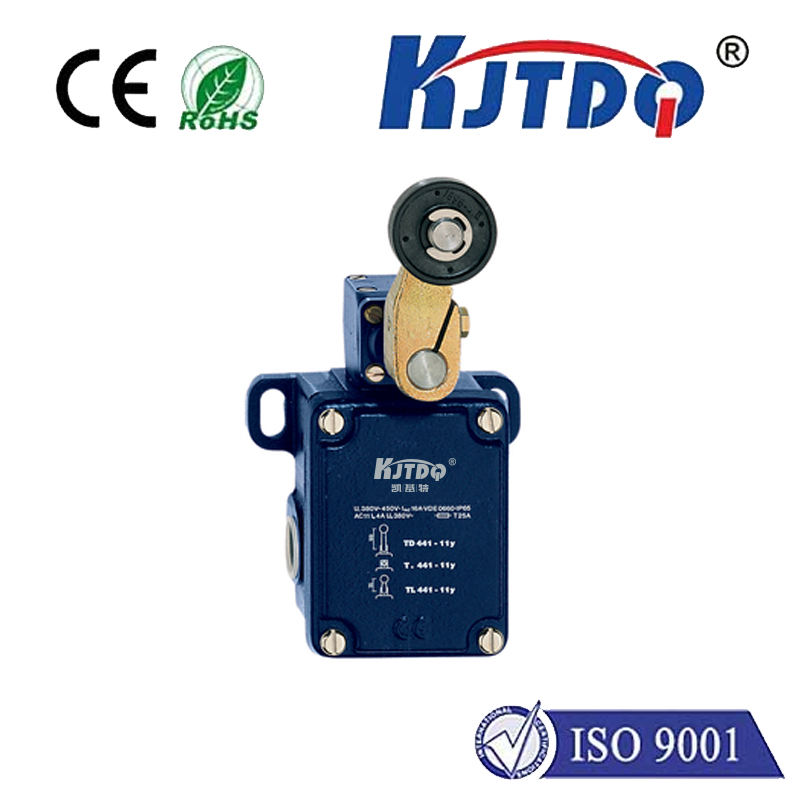
What distinguishes a high-quality limit switch like those from Surdhi is its construction and design tailored for harsh environments. Industrial settings are fraught with challenges: dust, moisture, oil, extreme temperatures, and constant vibration. A Surdhi limit switch is typically housed in a rugged, sealed enclosure, often rated with IP (Ingress Protection) standards to resist these elements. The internal switching mechanism is engineered for millions of cycles, offering exceptional mechanical and electrical longevity. Actuator options—including lever arms, roller plungers, and wobble sticks—can be selected to match the specific mechanical motion they need to detect, ensuring optimal sensitivity and reducing false triggers.
For engineers and maintenance professionals, selecting the right limit switch involves several key considerations. The electrical rating (voltage and current), the type of output contact (normally open or normally closed), the operating speed, and the repeat accuracy are all critical specifications. The physical size and mounting style must also integrate seamlessly into the existing machine design. The durability of the Surdhi switch directly impacts maintenance schedules and overall equipment effectiveness (OEE). A reliable switch minimizes unplanned downtime, a costly event in any production facility. Its simple, robust design also means easier troubleshooting and replacement when necessary, keeping operational complexity in check.
Beyond basic functionality, the integration of Surdhi limit switches into broader control architectures is seamless. They provide a fundamental digital input to Programmable Logic Controllers (PLCs), forming the backbone of discrete control logic. This reliability at the sensor level is the foundation upon which more advanced automation and data collection systems are built. While newer technologies like proximity sensors offer contactless operation, the physical, positive-action feedback of a mechanical limit switch remains irreplaceable for many applications, especially those requiring a definitive mechanical override or confirmation.
In conclusion, the Surdhi limit switch exemplifies a critical component whose value is measured in reliability and precision. It is a testament to engineered simplicity, performing a vital function in the background of complex automated systems. By providing dependable positional control and safety interlocks, these switches contribute directly to enhanced productivity, improved safety standards, and reduced operational costs. For any industry seeking to optimize its automated processes, specifying proven components like the Surdhi limit switch is a fundamental step toward achieving consistent, secure, and efficient production outcomes.