check

check

check

check

check

check
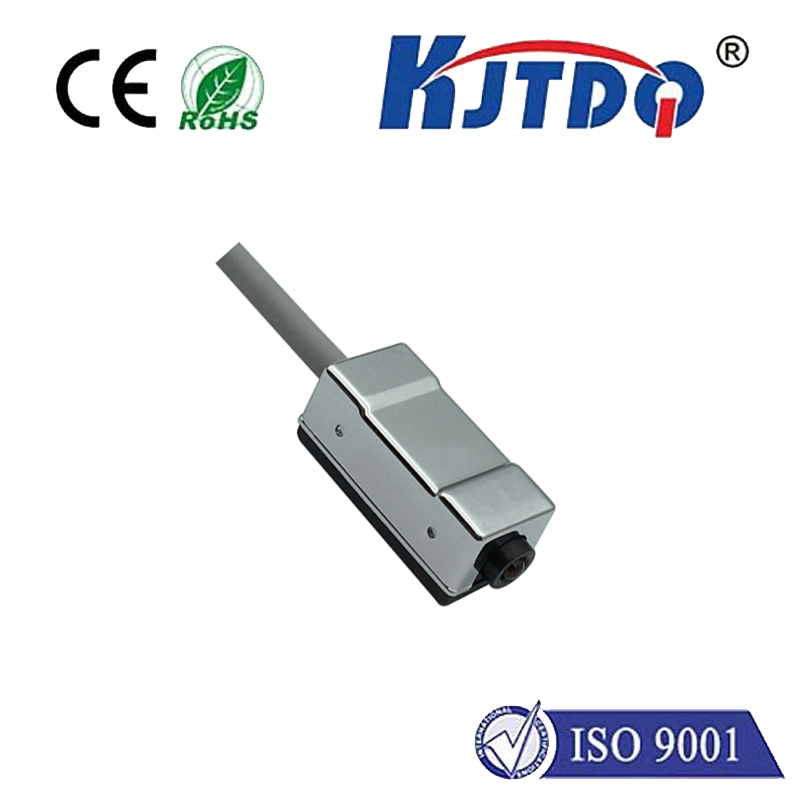
In industrial automation and machinery control, precision and reliability are non-negotiable. The two way limit switch stands as a fundamental component in achieving this, serving as a critical interface between mechanical movement and electrical control systems. Unlike standard switches, a two way limit switch is designed to detect the presence or position of an object in two distinct directions or at two specific points, enabling more complex control sequences and safety functions.
The core function of a two way limit switch is to convert mechanical motion into an electrical signal. Typically, it consists of an actuator (like a lever, roller, or plunger) linked to a set of electrical contacts. When a moving machine part or object makes contact with the actuator in one direction, it triggers the switch to change the state of its contacts—opening or closing a circuit. A second, independent actuation point or mechanism allows it to detect movement or position from the opposite direction or at a separate limit. This dual-point detection capability is what defines the "two way" operation.
Why is this important? In automated systems, machinery often needs to operate within strict physical boundaries. For example, in a conveyor system, a sliding gate might need to stop or reverse direction when it reaches either the fully open or fully closed position. A single limit switch could protect one end of travel, but a two way limit switch can monitor both limits with one compact device. This not only saves space and reduces component count but also simplifies wiring and control logic. It provides a fail-safe mechanism to prevent over-travel, which could cause machine damage, product spoilage, or even safety hazards.
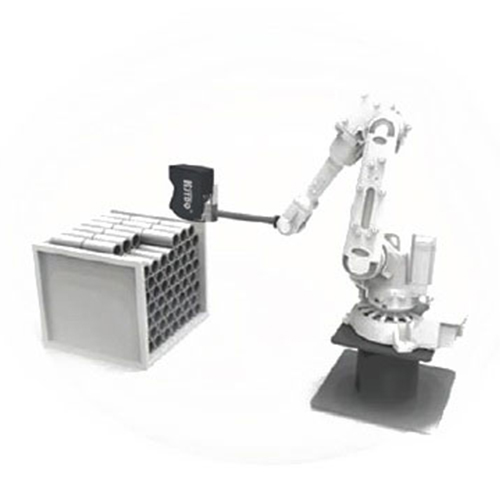
Applications for two way limit switches are vast. They are indispensable in material handling equipment, packaging machinery, CNC machine tools, elevator control systems, and robotic arms. In a robotic welding cell, for instance, such a switch can ensure the arm's movement is confined to a safe working envelope, signaling the controller when it approaches either extremity of its permitted path. In elevator systems, they help confirm that the car is correctly aligned with a floor landing, providing signals for both "up" and "down" correction needs.
Selecting the right two way limit switch involves several considerations. The environment is key: switches come in various ingress protection (IP) ratings for dust and water resistance. For harsh conditions with oil, coolant, or metal chips, a robust, sealed metal housing is essential. The electrical specifications—voltage, current rating (both AC and DC), and contact configuration (e.g., SPDT, DPDT)—must match the control circuit's demands. Mechanical durability is another factor; the actuator must withstand millions of cycles without failure. The type of actuator (roller lever, fork lever, adjustable rod) should be chosen based on the direction and nature of the mechanical contact.
Installation and maintenance are straightforward but crucial. The switch must be mounted securely to avoid vibration-induced misalignment. The actuating object (cam, machine part) should engage the actuator squarely and with the correct force to ensure reliable operation without damaging the lever. Regular inspection for wear on the actuator and periodic checking of electrical continuity help prevent unexpected downtime. Modern two way limit switches often feature LED indicators for easy status monitoring, aiding in quick troubleshooting.
The evolution of limit switch technology continues. While traditional mechanical two way limit switches remain highly popular for their simplicity, robustness, and direct feedback, they are now often integrated with proximity sensors and programmable logic controllers (PLCs) in sophisticated control networks. This integration allows for predictive maintenance alerts, where switch performance data can signal the need for service before a failure occurs.
In conclusion, the two way limit switch is a versatile and vital workhorse in industrial control. By offering reliable, bidirectional position detection, it enhances machine safety, protects equipment, and ensures the smooth, precise operation of automated processes. For engineers and system designers, understanding its operation, selection criteria, and applications is key to building efficient and fail-safe automation systems.