check

check

check

check

check

check
In the intricate world of industrial automation and precision engineering, the micro limit switch stands as a fundamental yet often overlooked component. These compact devices are engineered to detect the presence or absence of an object, or to monitor positional limits, with remarkable accuracy. Unlike their standard counterparts, micro limit switches are characterized by their small size, high repeatability, and ability to function in confined spaces, making them indispensable in applications where space is at a premium and reliability is non-negotiable.
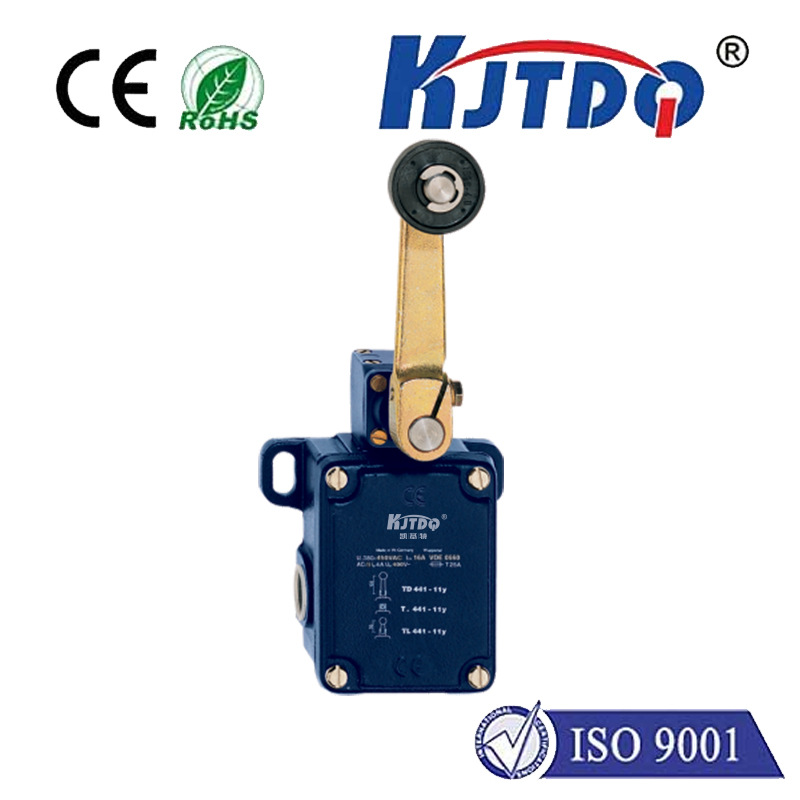
The operational principle of a micro limit switch is elegantly straightforward. It typically consists of an actuator, a set of electrical contacts housed within a robust enclosure, and a switching mechanism. When an external force—such as a moving part of a machine—physically depresses or triggers the actuator, it causes the internal contacts to change state. This action either completes or interrupts an electrical circuit, sending a clear signal to the control system. This signal can be used to halt a machine, change its operational sequence, or register a count. The precision of this physical actuation is what allows for such exact control over mechanical processes.
The applications for micro limit switches are vast and varied, spanning numerous industries. In the realm of automotive manufacturing, they are crucial for ensuring robotic arms stop at exact points during assembly, preventing costly collisions and ensuring perfect alignment. Within the packaging industry, these switches verify the position of products on conveyor belts, triggering sealing or labeling mechanisms at the precise moment. Medical device manufacturers rely on their fail-safe operation in equipment like MRI machines and automated diagnostic tools, where patient safety depends on absolute positional accuracy. Even in everyday consumer electronics, such as printers and copiers, micro limit switches control paper trays and detect jams, ensuring smooth user operation.
Selecting the right micro limit switch for a specific application requires careful consideration of several technical parameters. The operating force, which is the amount of pressure needed to activate the switch, must match the mechanical force available in the application. The pretravel and overtravel distances—the movement of the actuator before and after the contacts switch—affect the timing and durability. Environmental factors are paramount; switches may need to be sealed against dust and moisture (with IP ratings like IP67) or constructed from materials resistant to oils, chemicals, or extreme temperatures. Electrical ratings, including voltage, current, and contact configuration (e.g., SPDT - Single Pole Double Throw), must align with the control circuit's requirements to ensure both safety and longevity.
The advantages of integrating micro limit switches into a design are compelling. Their primary benefit is providing a simple, cost-effective, and highly reliable method of obtaining physical feedback. They offer a level of durability and resistance to electrical noise that can surpass some non-contact sensors in harsh industrial environments. Their direct physical interface means there is no need for complex programming or calibration associated with proximity sensors; their operation is binary and unequivocal. This simplicity translates to easier maintenance and troubleshooting for technicians on the factory floor.
However, it is important to acknowledge their limitations. Being electromechanical devices, they are subject to mechanical wear and tear over millions of cycles, which can eventually lead to failure. Their need for physical contact also makes them unsuitable for detecting fragile objects or in applications requiring ultra-high-speed sensing where contact would impede operation. In such cases, non-contact alternatives like inductive or capacitive proximity sensors might be preferred.
Looking ahead, the future of micro limit switches is not about replacement but evolution and integration. While smart sensors and IoT-enabled devices are becoming more prevalent, the fundamental reliability of the micro limit switch ensures its continued relevance. Modern trends involve incorporating them into hybrid systems, where their physical signal is fed into a digital PLC (Programmable Logic Controller) or IoT gateway, providing a critical layer of tangible, real-world data for sophisticated automation networks. Innovations in materials science are also leading to switches with longer operational lives and greater environmental resilience.
For engineers and system designers, mastering the use of the micro limit switch is a key skill. It involves not just understanding its datasheet but also considering its interaction with the entire mechanical system—actuator selection, mounting position, and protection from unintended impacts. Proper installation and regular preventative maintenance are the final steps to unlocking years of flawless service from these miniature workhorses of automation. In conclusion, the micro limit switch remains a cornerstone of precise mechanical control, a testament to the enduring power of well-executed electromechanical design in an increasingly digital world.