check

check

check

check

check

check
In the demanding world of material handling and industrial operations, crane safety and operational precision are non-negotiable. The seamless movement of heavy loads depends on a symphony of reliable components, with upper and lower limit switches playing a starring role in preventing catastrophic failures. These critical devices act as the final line of defense, ensuring cranes operate within their designated safe zones, thereby protecting personnel, infrastructure, and the valuable loads they carry.
An upper limit switch is a safety mechanism installed to stop the hoisting motion of a crane before the hook block or lifting device makes contact with the boom or the drum. Its primary function is to prevent "two-blocking," a dangerous condition where the load block collides with the boom tip or the hoist drum, which can lead to equipment damage, load drop, and severe injury. Conversely, a lower limit switch is designed to halt the descending motion of the hook or grab before it reaches its absolute lowest possible point, such as the floor, another object on the ground, or the fully unwound state of the cable on the drum. This prevents cable over-spooling, slack cable conditions, and potential collisions.
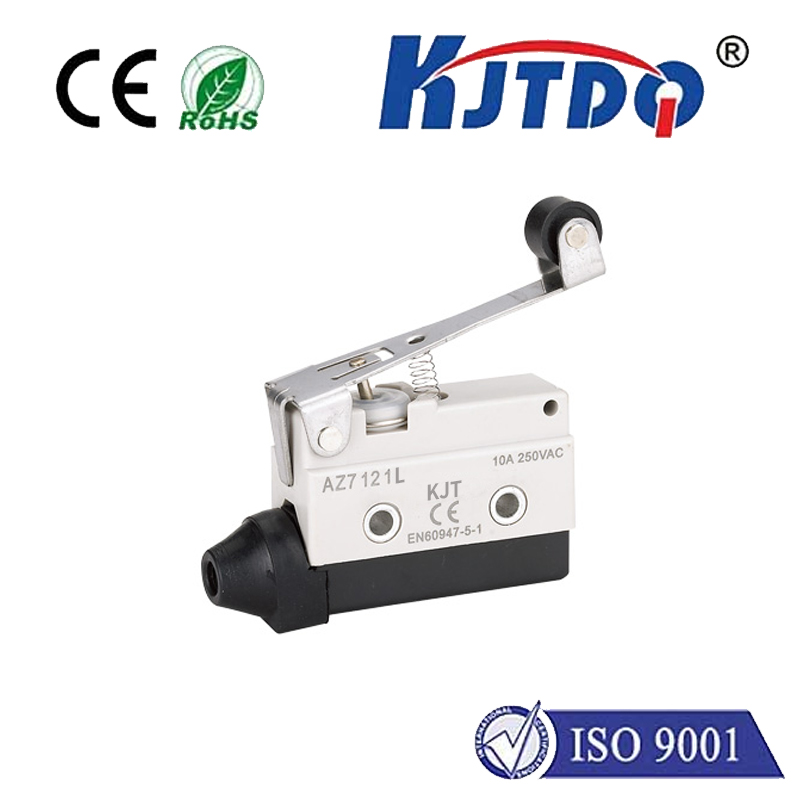
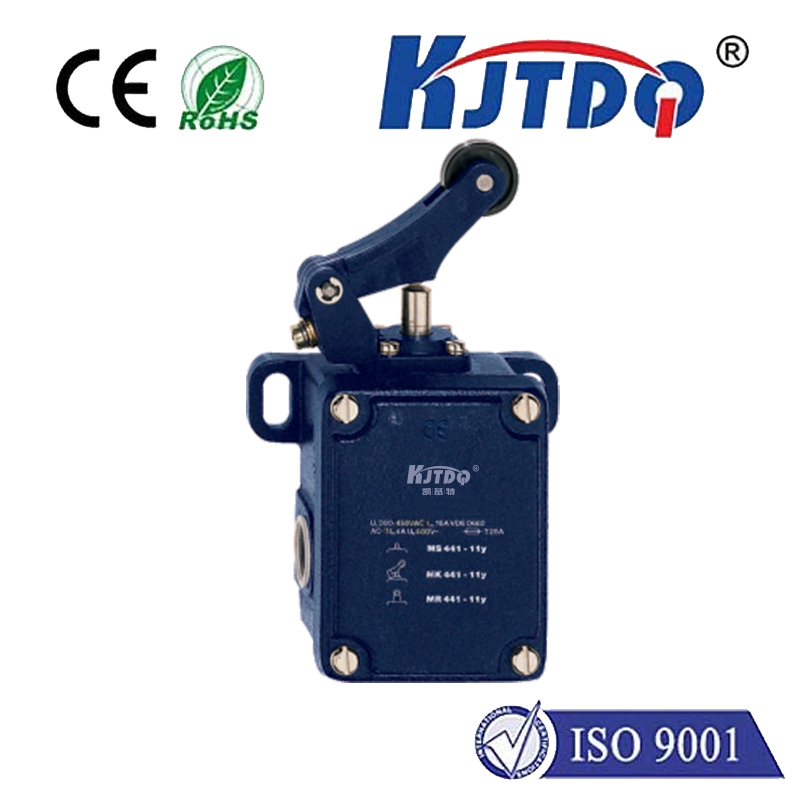
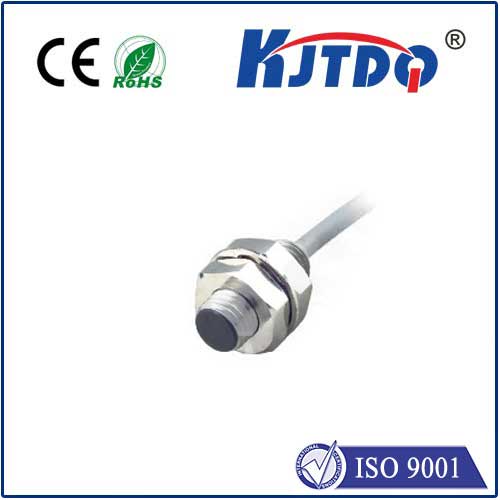
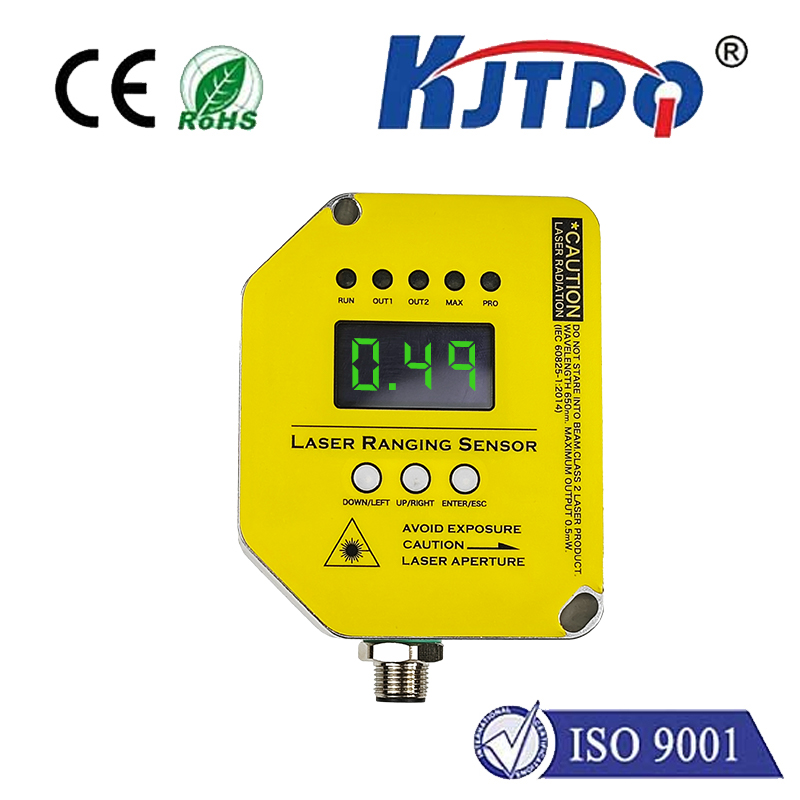
The integration of both upper and lower limit switches creates a comprehensive safety envelope for crane operation. Modern limit switches for cranes are engineered for durability and precision. They often employ robust designs with hardened components to withstand harsh industrial environments, including exposure to dust, moisture, and extreme temperatures. Technologies range from traditional mechanical lever-arm switches to more advanced non-contact sensors, such as rotary encoders, proximity sensors, and magnetic reed switches. These advanced systems offer higher accuracy, reduced maintenance, and better integration with the crane's programmable logic controller (PLC) for automated safety protocols.
The benefits of properly specified and maintained limit switches extend far beyond basic compliance with safety regulations like OSHA or ANSI/ASME B30 standards. They are a cornerstone of operational efficiency. By preventing over-travel and mechanical abuse, these switches significantly reduce wear and tear on hoist motors, wire ropes, drums, and structural components. This translates directly into lower maintenance costs, reduced downtime for repairs, and an extended service life for the entire crane system. Furthermore, they enhance workflow predictability by ensuring consistent and repeatable lifting cycles, which is crucial in high-throughput environments like shipping ports, steel mills, and manufacturing assembly lines.
Selecting the right upper and lower limit switch system requires careful consideration of several factors. Crane type (overhead bridge, gantry, jib), duty cycle, lifting speed, and the specific operational environment all influence the choice. For instance, a high-speed container crane at a port may require an absolute encoder-based system for millimeter-level accuracy, while a standard workshop overhead crane might utilize a reliable mechanical switch. Regular inspection and testing are paramount. Safety checks should verify that the switches activate at the correct positions every time, with no signs of physical damage or misalignment. A failed or bypassed limit switch is a critical hazard.
In conclusion, upper and lower limit switches are not mere accessories but fundamental safety and productivity components for any crane. They provide essential protection against some of the most common and dangerous crane-related incidents. Investing in high-quality limit switch solutions, coupled with a rigorous maintenance schedule, is an investment in asset protection, workforce safety, and uninterrupted operational continuity. For facility managers and engineers, prioritizing these systems ensures that crane operations remain a reliable and safe pillar of industrial productivity.