check

check

check

check

check

check
In the intricate world of industrial automation and machinery, the reliability of safety and control components is non-negotiable. Among these critical components, the Klixon limit switch stands as a proven and trusted solution for precise motion control and safety interlocking. This device, often operating behind the scenes, plays a pivotal role in ensuring operational safety, protecting expensive equipment, and maintaining process integrity across countless applications.
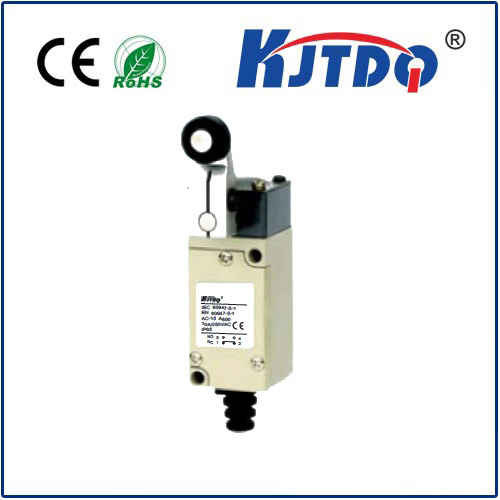
A Klixon limit switch is a type of electromechanical device designed to detect the presence or absence of an object, or to monitor the position of a machine part. Its fundamental operation is elegantly simple: a physical actuator, such as a lever, roller, or plunger, is moved by the target object. This mechanical action triggers an internal snap-action mechanism, which rapidly opens or closes electrical contacts within a sealed housing. This instantaneous change in the electrical circuit sends a clear signal to a control system—to start a process, stop a motor, trigger an alarm, or sequence operations. The hallmark of the Klixon design is its robust snap-action switch, renowned for consistent performance even under demanding conditions of vibration, temperature fluctuation, and frequent cycling.
The applications for these durable switches are vast and varied. In the aerospace industry, Klixon limit switches are integral to landing gear systems, ensuring gear is fully retracted or deployed. Within household appliances like washing machines, they act as door safety interlocks and water level sensors. Industrial manufacturing lines rely on them for precise positioning of robotic arms, end-of-travel limits on actuators, and as part of safety guarding systems on presses and other hazardous machinery. Their sealed construction makes them suitable for environments exposed to dust, moisture, and oils, a common requirement in food processing, packaging, and automotive assembly plants.
Choosing the right limit switch for an application involves several key considerations. The mechanical specifications, such as actuator type and operating force, must match the physical motion being detected. Electrical ratings for voltage and current are critical to ensure the switch can handle the connected load without premature failure. Environmental factors are equally important; switches may need specific ingress protection (IP) ratings for water and dust resistance, or special materials to withstand corrosive agents or extreme temperatures. The physical size and mounting configuration must also align with the spatial constraints of the machinery. Klixon offers a broad portfolio to meet these diverse needs, providing engineers with reliable options for both standard and challenging installations.
The primary value proposition of incorporating a high-quality limit switch like Klixon lies in enhanced safety and reduced downtime. By reliably detecting over-travel or misalignment, these switches prevent mechanical damage, avoiding costly repairs and production halts. As a safety interlock, they are a first line of defense, ensuring machinery cannot operate unless guards are in place or access doors are securely closed, directly protecting personnel. This reliability translates into long-term operational efficiency and lower total cost of ownership, despite the initial investment in a premium component.
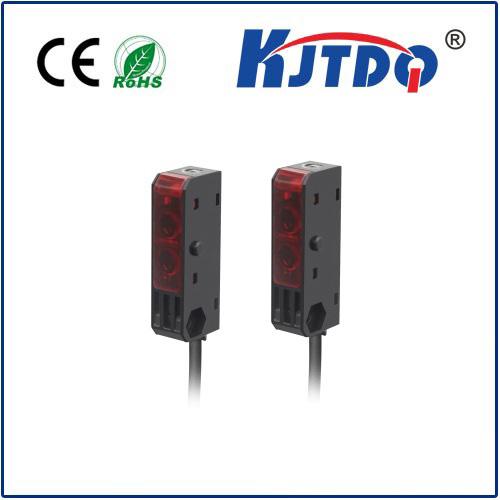
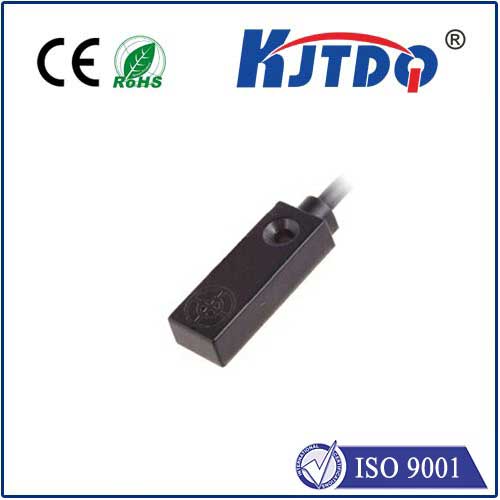
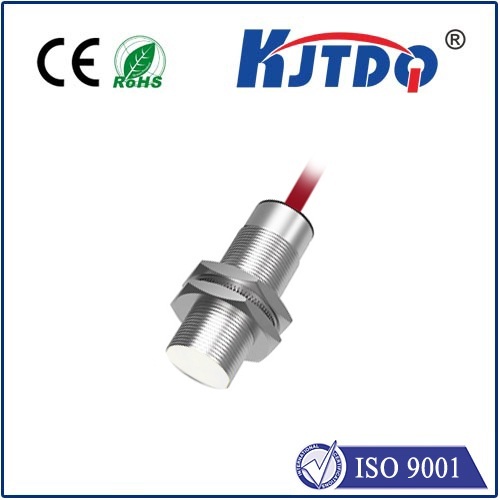
Looking forward, the role of electromechanical limit switches continues to evolve alongside fully electronic sensors. While proximity sensors and photoelectric eyes offer contactless operation, the physical robustness, simplicity, and fail-safe nature of a mechanical limit switch like Klixon ensure its enduring relevance. In many safety-critical applications, the direct physical linkage provides a level of certainty that is difficult to replicate with purely electronic means. They remain a fundamental building block in machine design, often used in conjunction with newer technologies to create layered, fault-tolerant control systems.
For engineers, maintenance technicians, and procurement specialists, understanding the specifications and capabilities of Klixon limit switches is essential for designing safe and reliable systems. Proper selection, installation, and routine inspection are key to leveraging their full potential. By specifying these proven components, industries can build machinery that not only performs efficiently but also upholds the highest standards of operational safety and equipment protection.