check

check

check

check

check

check
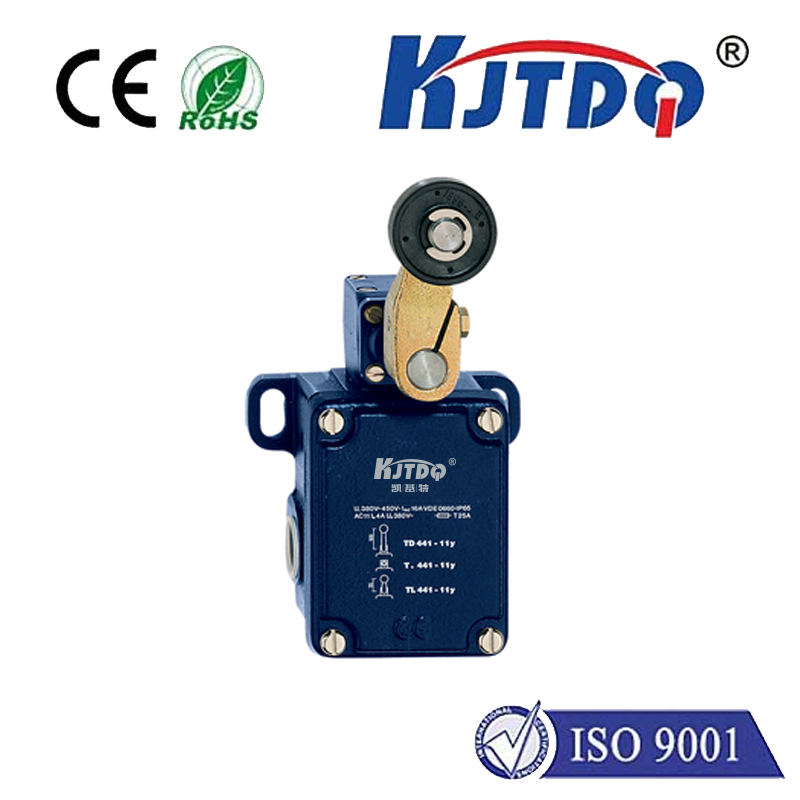
In the intricate world of electrical systems and motor control, ensuring operational safety and preventing equipment damage is paramount. Among the critical components that serve as silent guardians in this domain is the AC limit switch. This device, fundamental yet powerful, plays an indispensable role in countless industrial, commercial, and even residential applications. An AC limit switch is an electromechanical device designed to detect the presence or absence of an object, or to monitor and control the movement of a machine. It functions by opening or closing an electrical contact when its actuator is physically displaced by a moving part, thereby interrupting or establishing the flow of alternating current (AC) in a circuit. The primary purpose is to define the safe operational boundaries for machinery, automatically halting motion at predetermined points to prevent over-travel, which could lead to mechanical failure, product damage, or serious safety hazards.
The operational principle is elegantly straightforward. Typically, the switch is positioned so that a moving component of a machine—such as a conveyor belt cart, a robotic arm, or a garage door—comes into contact with the switch's actuator (a lever, roller, or plunger). This physical contact triggers the internal mechanism to change the state of its electrical contacts. In a normally open (NO) configuration, the circuit is completed (switch closes) when actuated. Conversely, in a normally closed (NC) configuration, the circuit is broken (switch opens) upon actuation. This signal is then sent to the machine's control system, commanding it to stop, reverse direction, or initiate a new sequence. The "AC" designation specifically indicates the switch is rated and built to handle the characteristics of alternating current, including its voltage, current rating, and the challenges of arc suppression when contacts open under load.
The applications for AC limit switches are vast and varied. In industrial automation, they are ubiquitous on assembly lines, controlling the stroke of pneumatic or hydraulic cylinders, positioning tools on CNC machines, and serving as end-of-travel stops for hoists and cranes. In everyday life, they are the unsung heroes inside elevators, ensuring doors open and close completely and safely, and in garage door openers, preventing the door from over-traveling its rails. Their robustness, reliability, and relatively low cost make them a preferred choice for many position-sensing tasks where extreme precision is not the primary concern, but dependable safety is.
Selecting the right AC limit switch for a specific application requires careful consideration of several key parameters. The electrical ratings, including the voltage (e.g., 120VAC, 240VAC) and current capacity, must match or exceed the circuit requirements. The mechanical durability, often measured in millions of operations, is crucial for high-cycle applications. Environmental factors are also critical; switches may need to be sealed against dust and moisture (with IP ratings), constructed from corrosion-resistant materials like stainless steel for harsh environments, or designed to withstand significant mechanical shock and vibration. The actuator style—lever, roller lever, push-roller, or rod—must be chosen based on the direction and nature of the contact from the moving part.
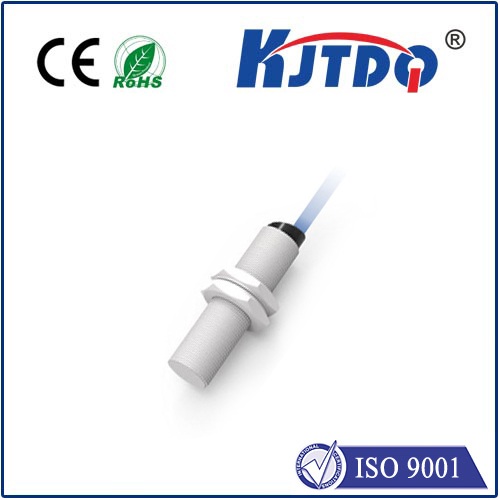
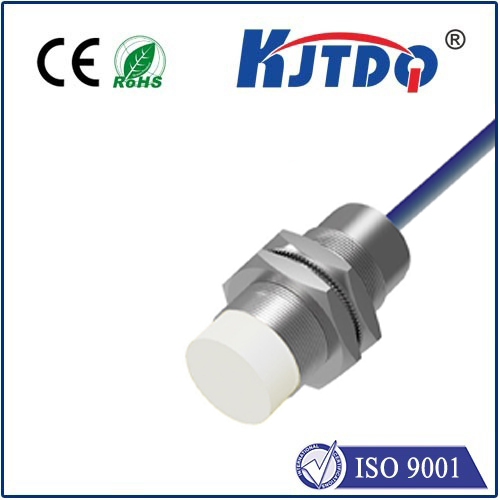
While modern proximity sensors (inductive, capacitive, photoelectric) offer contactless operation, the traditional mechanical AC limit switch retains significant advantages. Its simplicity translates to ease of installation, troubleshooting, and understanding for maintenance personnel. It provides a direct, physical confirmation of position, which can be inherently fail-safe in many configurations. Furthermore, it is generally immune to the electrical noise that can sometimes affect solid-state sensors. Proper installation and regular maintenance are vital to ensure longevity and reliability. This includes secure mounting to prevent misalignment, periodic inspection for wear on the actuator and contacts, and verification of its operational accuracy to ensure the machine stops at the exact intended point.
In conclusion, the AC limit switch remains a cornerstone of electromechanical control systems. Its role in safeguarding equipment, enhancing operational sequences, and protecting personnel cannot be overstated. From heavy manufacturing to simple automated tasks, understanding its function, selection criteria, and application best practices is essential for engineers, technicians, and facility managers. By implementing the correct AC limit switch with due diligence, one ensures not only the smooth and efficient running of machinery but also fosters a safer working environment, preventing costly downtime and accidents. This fundamental component, when applied correctly, is a testament to the enduring value of reliable mechanical design in an increasingly digital world.