check

check

check

check

check

check
In the world of industrial automation, precision and reliability are non-negotiable. Among the myriad of components that ensure seamless operations, the limit switch with arm stands out as a critical device for controlling machinery movement and ensuring safety. This guide delves into the functionality, applications, and benefits of these switches, providing insights for engineers and maintenance professionals seeking to optimize their systems.
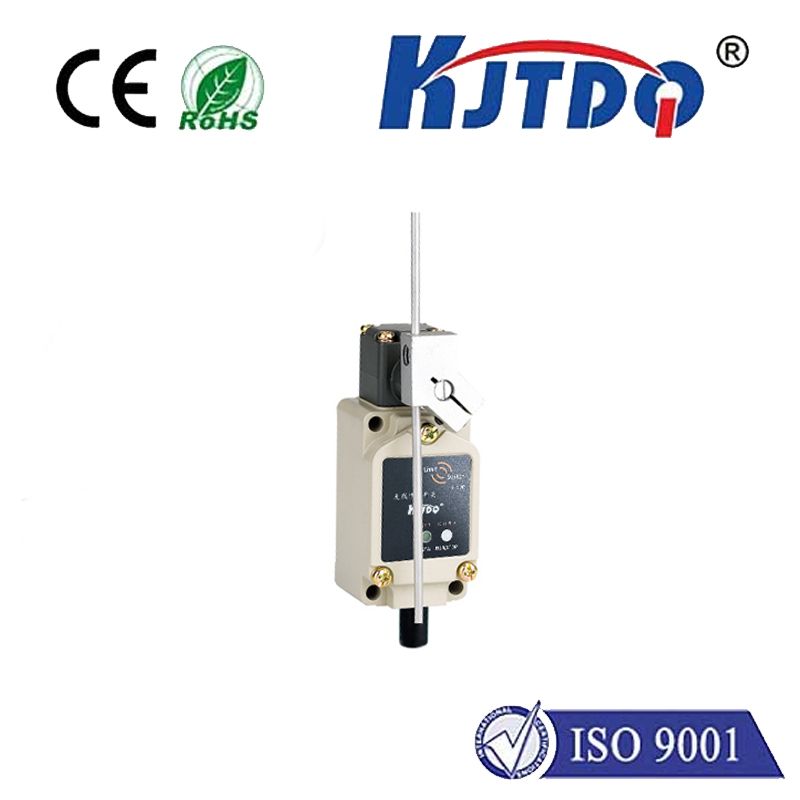
A limit switch with arm, often referred to as a lever-arm limit switch, is an electromechanical device designed to detect the presence or absence of an object, or to monitor the position of a machine part. It operates by using a physical arm—typically adjustable in length and angle—that makes contact with a target. When the arm is actuated, it triggers an internal mechanism to open or close an electrical circuit, sending a signal to a control system. This simple yet effective action allows for precise control over processes such as conveyor belt stops, robotic arm limits, or door positioning in industrial settings.
The versatility of these switches stems from their customizable arms. Arms can be straight, roller-ended, or flexible, catering to different environmental needs and actuation forces. For instance, a roller-arm switch is ideal for high-speed applications where reduced friction is crucial, while a rigid arm offers durability in harsh conditions. This adaptability makes limit switches with arms suitable for diverse industries, including manufacturing, packaging, automotive, and material handling.
One key advantage of using a limit switch with arm is its mechanical simplicity, which translates to high reliability and longevity. Unlike purely electronic sensors, these switches are less susceptible to interference from dust, moisture, or electromagnetic noise, making them robust for outdoor or dirty environments. They provide a tangible, physical feedback that ensures fail-safe operations, reducing downtime and maintenance costs. In safety-critical applications, such as elevator door control or machine guarding, their dependable performance can prevent accidents and enhance workplace safety.
When selecting a limit switch with arm, factors like actuation force, operating temperature, and ingress protection (IP) ratings must be considered. For example, in food processing plants, switches with stainless steel arms and high IP ratings resist corrosion and washdowns. Regular maintenance, including checking arm alignment and contact wear, can further extend service life. Innovations in this field have led to hybrid models that integrate proximity sensing, offering enhanced functionality without compromising reliability.
In conclusion, the limit switch with arm remains a cornerstone of industrial automation due to its proven track record, adaptability, and cost-effectiveness. By understanding its mechanisms and applications, businesses can improve operational efficiency and safety. As industries evolve toward smarter automation, these devices continue to play a vital role in bridging mechanical and digital control systems, ensuring that machinery operates within defined limits without fail.