check

check

check

check

check

check
In the world of computer numerical control (CNC) machining, precision is not just a goal—it's a fundamental requirement. Every cut, drill, and mill depends on the machine knowing exactly where its tool is in space. This critical process of establishing a known, repeatable starting point is called homing, and it relies on a seemingly simple yet vital component: the homing switch. For operators and engineers seeking to maximize machine uptime and part accuracy, understanding and implementing high-quality homing switches, like those from the KJTDQ series, is paramount.
Homing is the procedure a CNC machine performs at startup or after an emergency stop. It moves its axes (typically X, Y, and Z) until each one triggers a sensor. This sensor is the homing switch. Upon activation, the machine controller records that position as a "home" or "zero" reference point. All subsequent movements are calculated from this datum. Without a consistent and accurate home position, the machine's coordinate system becomes unreliable, leading to catastrophic errors like tool crashes, scrapped parts, and damaged workpieces.
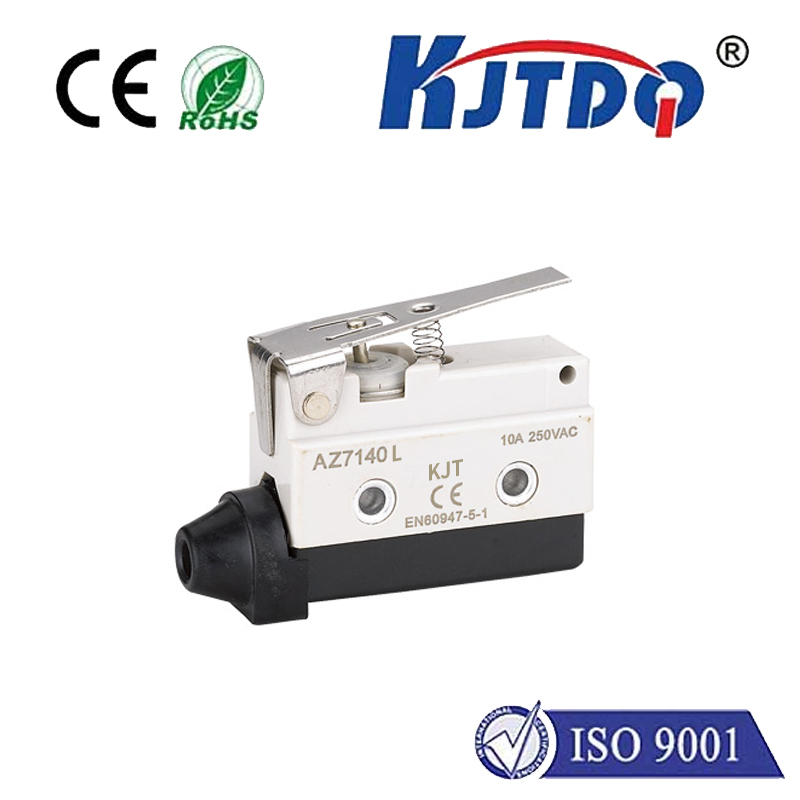
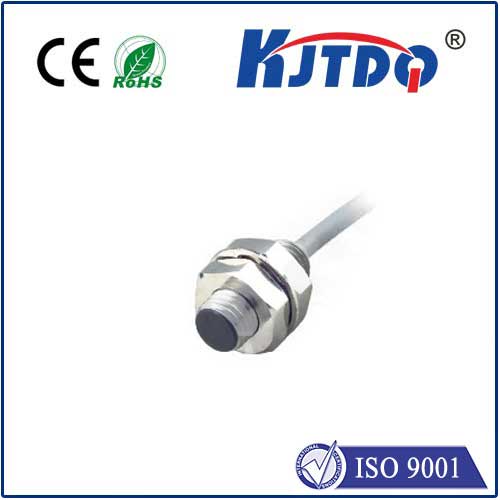
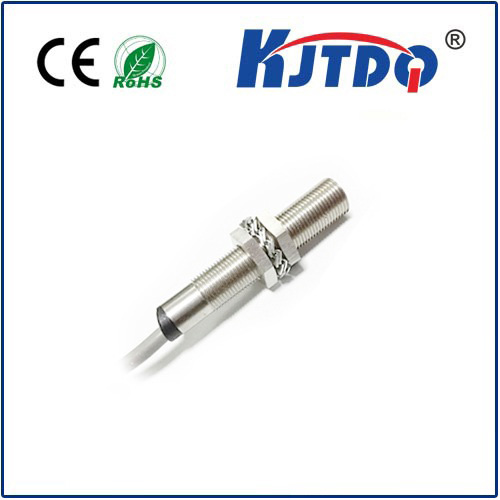
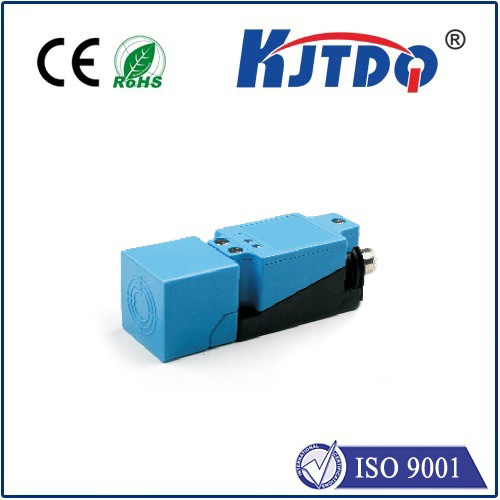
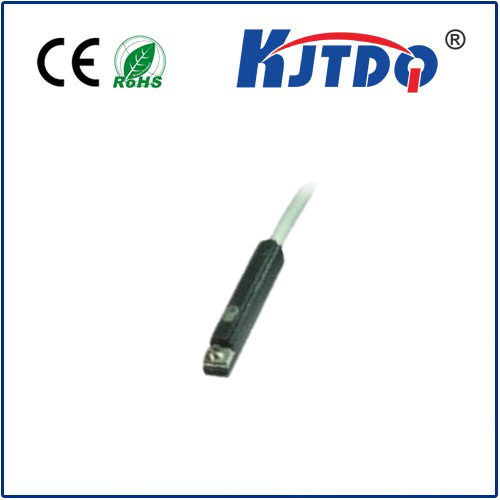
The role of the homing switch is deceptively critical. It acts as the machine's tactile sense of origin. Modern CNC systems primarily use two types: mechanical limit switches and non-contact proximity sensors. Mechanical switches, often with a roller lever, physically make or break an electrical circuit when the machine axis contacts them. They are robust and cost-effective but can suffer from wear over time due to physical impact. Non-contact switches, such as inductive or magnetic sensors, detect the presence of a metal target without physical touch. They offer longer life and higher repeatability as there is no mechanical wear, making them ideal for high-speed or high-cycle applications.
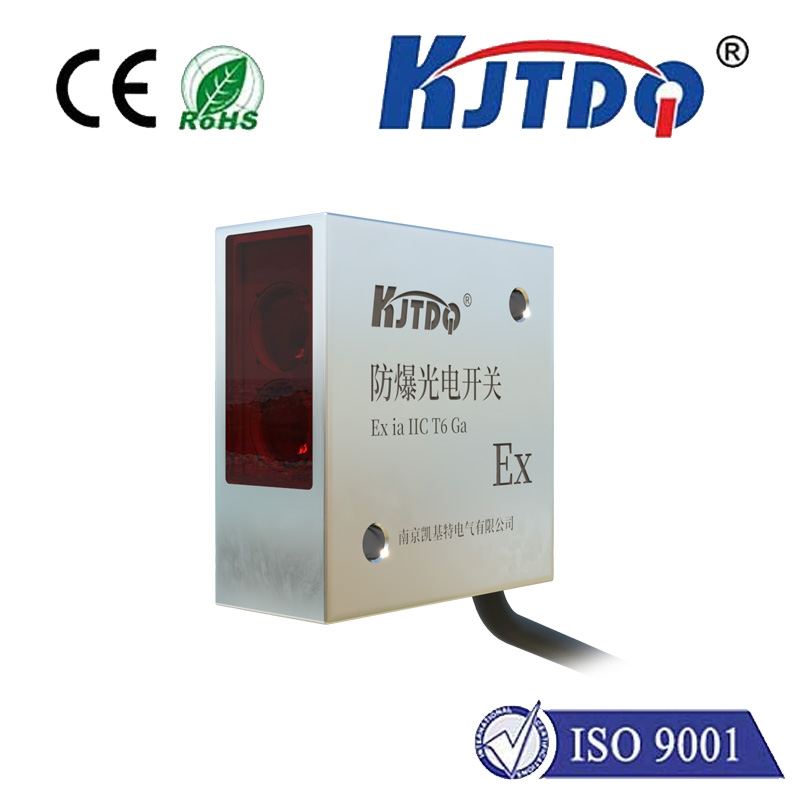
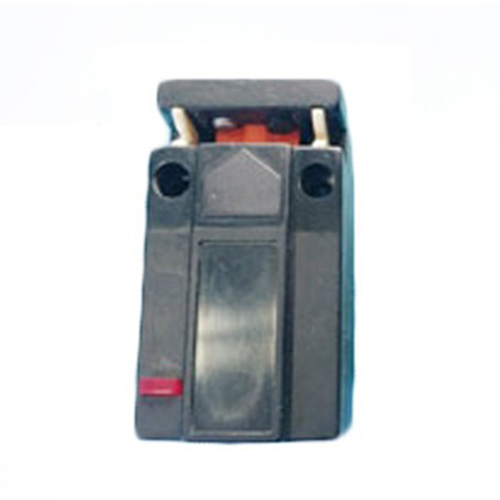
This is where specialized product lines like KJTDQ homing switches become significant. Engineered for the rigorous demands of industrial environments, these switches are designed to deliver exceptional repeatability and durability. Repeatability—the switch's ability to trigger at the exact same position every single time—is perhaps the most crucial specification. Even a micron-level variance can compound into significant errors over a large workpiece. High-quality switches ensure this variance is minimized. Durability is equally important. CNC workshops are filled with contaminants like coolant mist, metal dust, and oil. A reliable homing switch must have a robust housing, often rated IP67 or higher, to resist these ingress and ensure consistent operation. Vibration resistance is another key factor, as machine tools generate considerable harmonic forces that can loosen components or cause false triggers.
Implementing and maintaining these switches correctly is as important as their quality. Proper installation involves precise alignment. The activating dog or target that trips the switch must approach consistently and squarely to ensure accurate triggering. Mounting must be secure to prevent shifting from vibration. Wiring should be routed away from power cables to avoid electromagnetic interference, which can cause signal noise. Regular maintenance checks are also essential. Technicians should periodically inspect for physical damage, clean the sensing face of non-contact switches, and verify the tightness of mounting hardware. A simple diagnostic test is to command a homing cycle and observe the reported home position coordinates over multiple cycles; any drift indicates a potential switch or mechanical issue.
Beyond basic homing, advanced machine setups may use these switches in conjunction with other reference systems. For instance, some machines employ a dual-switch system: one switch for a fast, initial "crude" home and a second, more precise sensor or an encoder index pulse for a "fine" home. This two-stage process increases both speed and accuracy. Furthermore, reliable homing switches are the foundation for features like tool changer alignment, pallet shuttle positioning, and establishing safe soft limits for axis travel, which prevent the machine from moving beyond its physical boundaries.
For any machine shop, investing in reliable components like precision homing switches is an investment in productivity and quality control. Downtime caused by a failed or inconsistent switch leads to delayed orders and lost revenue. Inaccurate homing results in scrap material and wasted machining time. By choosing switches designed for high repeatability, environmental resistance, and long-term stability—attributes central to series like KJTDQ—manufacturers build a more resilient and precise machining process. It ensures that every cycle begins from a perfect, known origin, allowing the sophisticated CNC program to execute with the confidence that the physical machine is perfectly aligned with its digital blueprint.