check

check

check

check

check

check
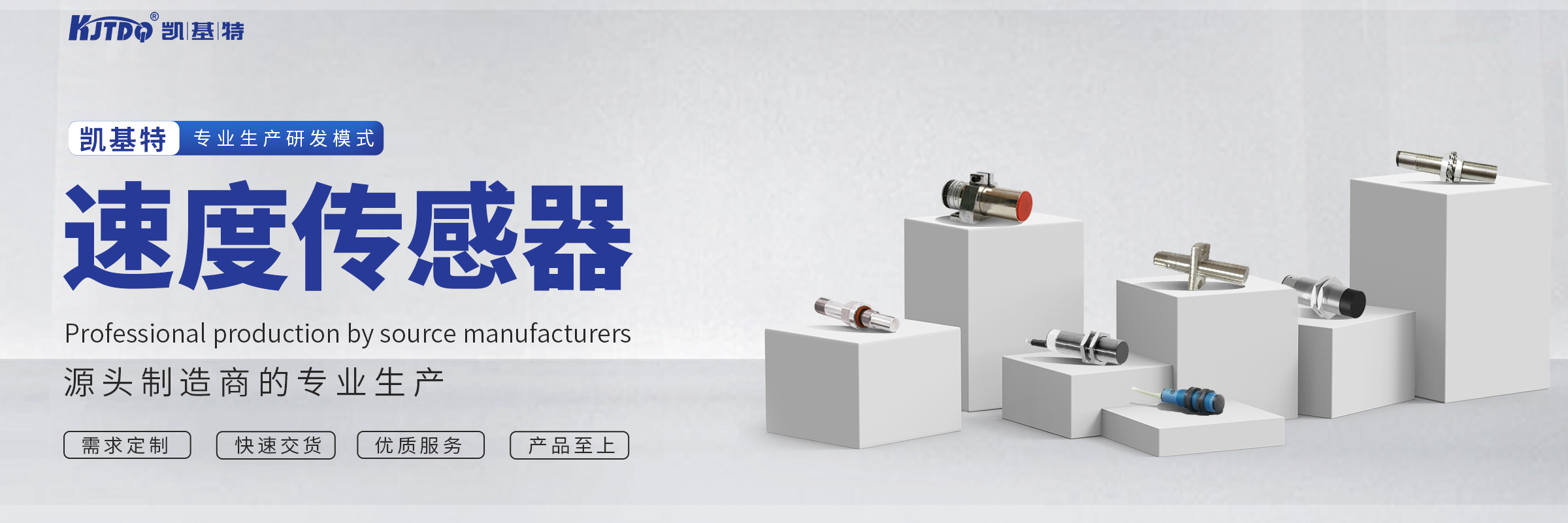
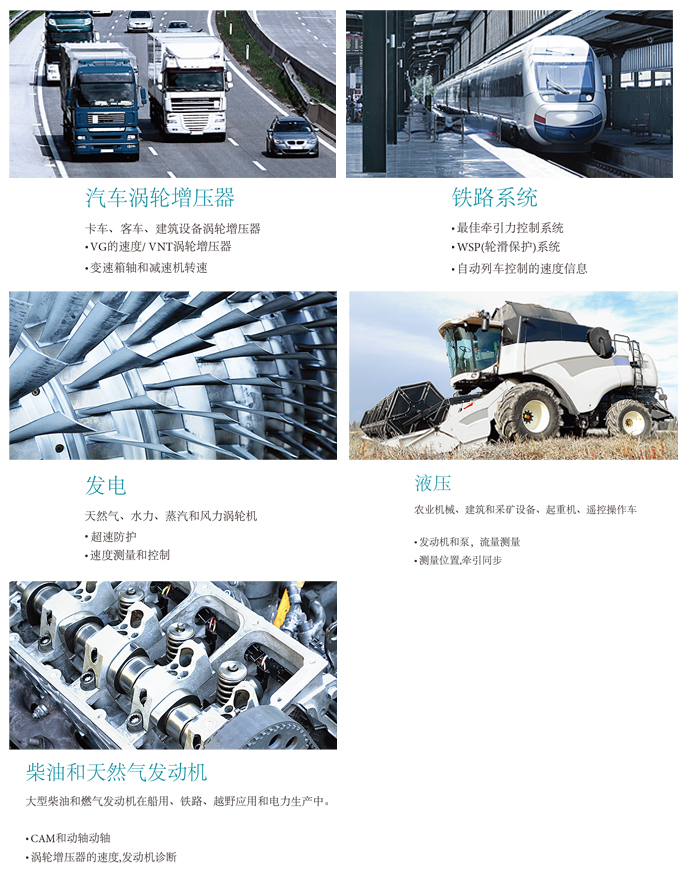
Speed sensors are crucial "detection eyes" in fields such as automotive powertrains, rail transportation, power generation equipment, wind turbines, and industrial machinery.
How to choose the most suitable model from among so many options?
This selection guide makes the choice simpler.
I. Determining the Required Sensor Type
Different applications require different sensor principles. Common types include:
1. Eddy Current Velocity Sensor (Active/Passive)
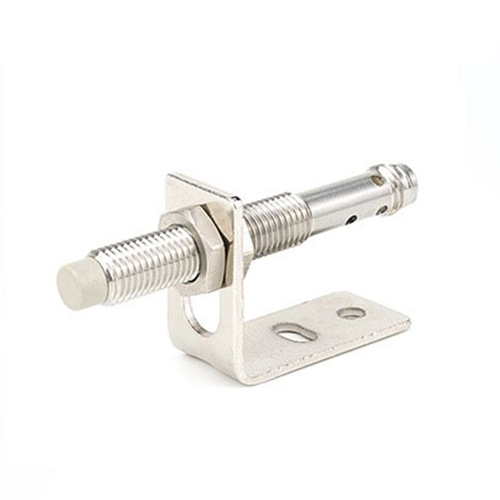
Suitable for harsh environments such as high temperature, high pressure, and strong vibration.
Active: High precision, high stability
Passive: Simple structure, high durability
2. Hall Effect Velocity Sensor
Supports high-speed, high-frequency measurement
Widely used in automotive and industrial fields.
3. Variable Magnetoresistive (VR) Sensor
High sensitivity
Suitable for low-speed and precision applications.
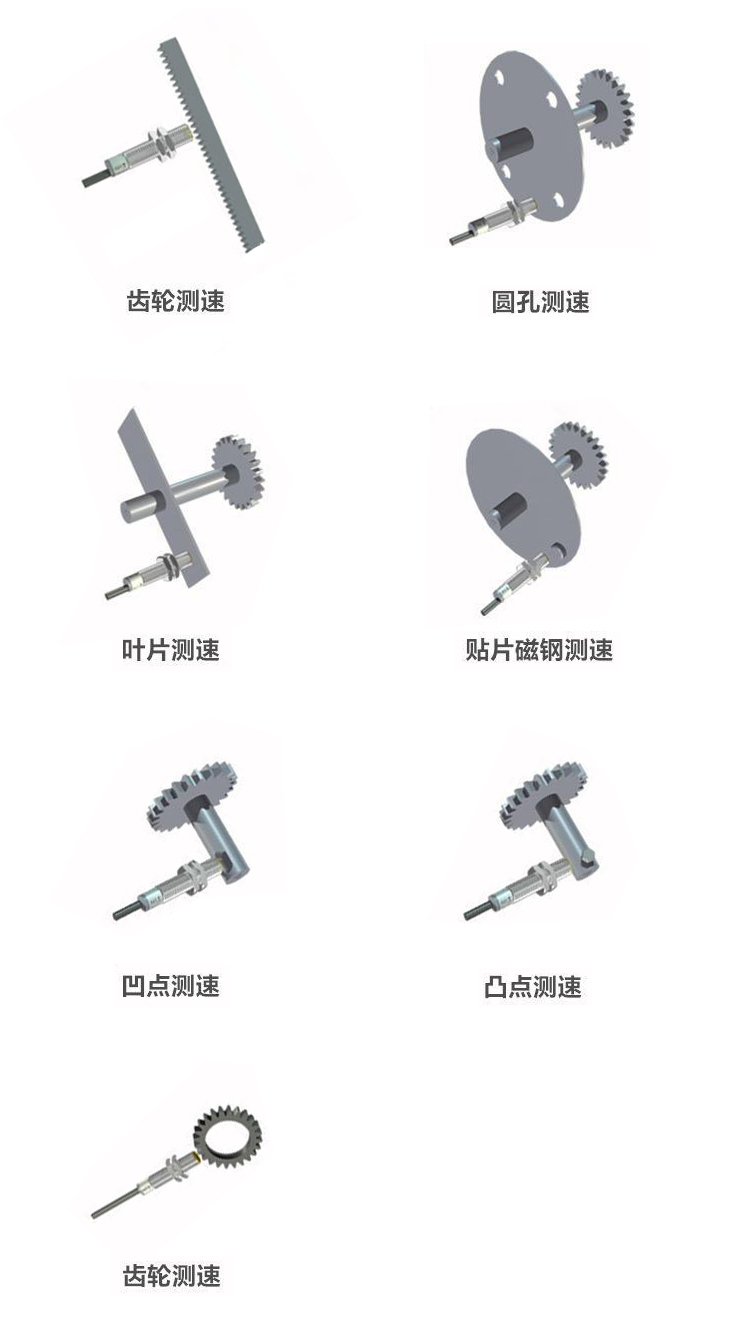
4. Gear Speed Sensor
Used with gears.
Stable signal, diverse output methods.
II. Key Confirmation Parameters
Whether a speed sensor is suitable depends mainly on the following points:
1. Measurement Range
Speed range (e.g., 0–10,000 RPM)
Can it identify gear tooth count and changes?
2. Measurement Accuracy
Does it meet system requirements (e.g., ±0.1%)?
Is the resolution high enough?
3. Output Signal Type
Select according to your control system:
Pulse/Frequency signal
0–10V / 4–20mA Analog
RS485 / CAN / Modbus Digital interface
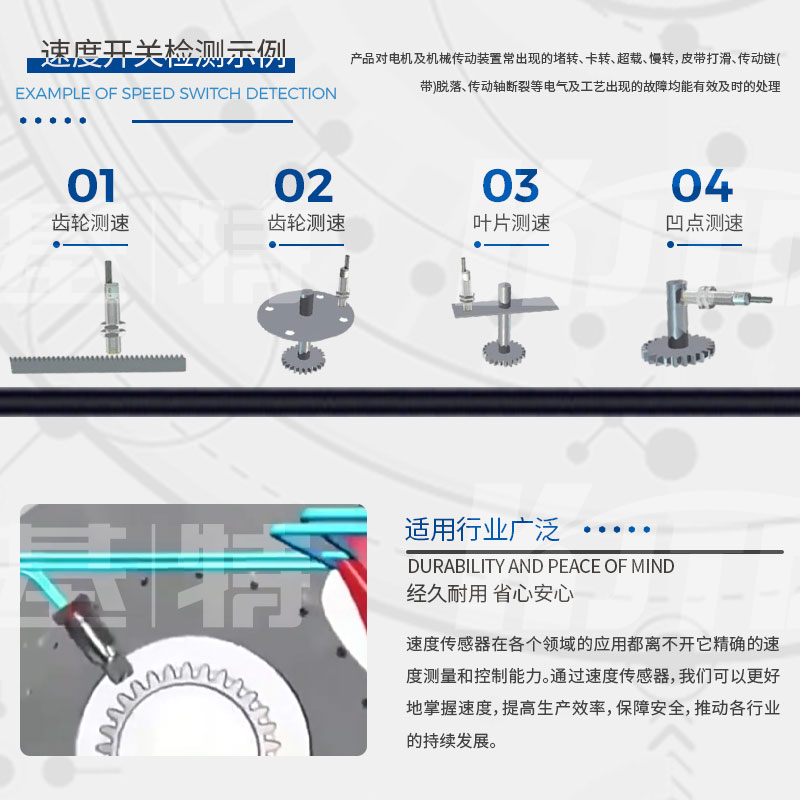
4. Gear Parameters (e.g., for gear speed measurement)
Module, pitch, tooth width
Is the gear material a ferromagnetic metal?
Is the operation smooth?
III. Environmental Conditions Cannot Be Ignored
Speed sensors are often installed in high-temperature, high-vibration, high-humidity, or even hazardous areas. Environmental adaptability must be ensured:
Operating Temperature Range
Protection Rating (IP65 / IP67)
Vibration and Shock Resistance
Electromagnetic Interference Resistance (especially near motors and frequency converters)
IV. Confirm Installation and Power Supply Parameters in Advance
Installation Space and Dimensions
Probe Working Distance (e.g., 1–5mm)
Installation Method: Threaded / Flange
Power Supply Voltage: 12V / 24V
Power Consumption Meets System Requirements
V. Recommended Sensor Types for Different Scenarios
Automotive & Commercial Vehicles: Hall Effect/Eddy Current Sensors
Railway: High-Reliability Active Systems
Power Generation Equipment: High-Temperature and Pressure Resistant Sensors
Wind Turbine Gearboxes: Gear + High-Frequency Speed Measurement Solution
Industrial Machinery: VR or Hall Effect Sensors
Hazardous Environments: Explosion-Proof Speed Sensors
Summary: Six Key Selection Considerations
Type → Parameters → Output → Gear → Environment → Installation/Power Supply
Simply follow these six steps to quickly identify the most suitable speed sensor for your equipment.
As a professional sensor supplier, KJT offers a wide range of speed sensors and supports deep customization to create the perfect speed measurement solution for your equipment.
KJT, your sensor expert!