check

check

check

check
check
check
check
check

check

check
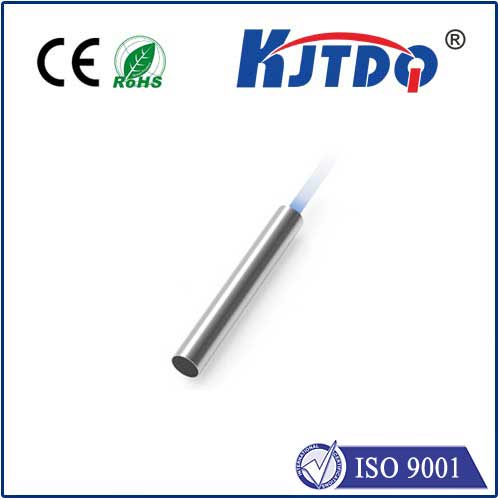
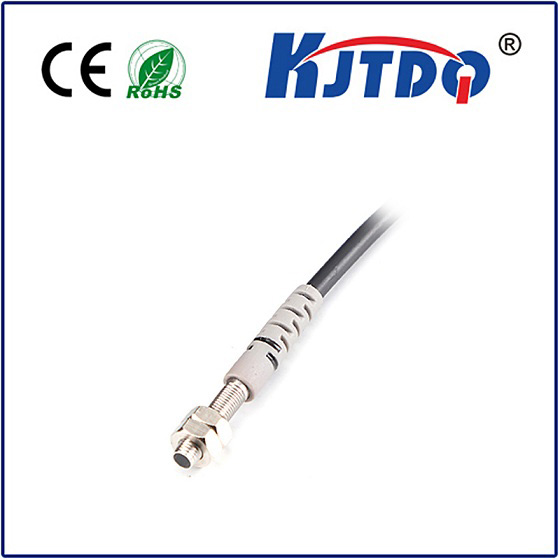
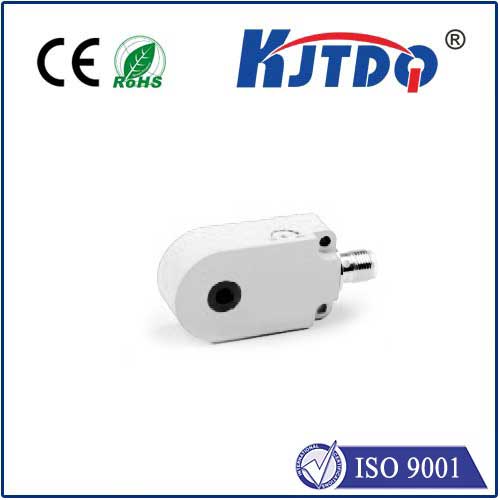
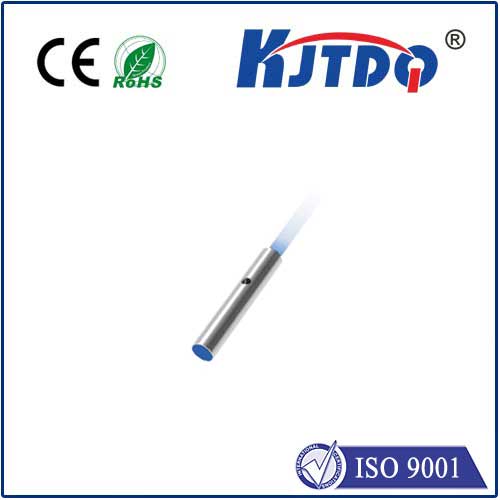
In the intricate dance of modern industrial automation, where machines perform complex tasks with relentless accuracy, the silent heroes ensuring flawless execution are often the sensors. Among these, proximity sensors stand out for their non-contact detection capabilities, preventing wear and enabling high-speed operations. Today, we focus on a specific workhorse: the BES021J Proximity Sensor. This inductive proximity sensor exemplifies robustness and reliability in some of the most demanding environments.
The Relentless Demand for Reliability
Imagine a high-speed bottling line. Bottles whizz by at dizzying speeds, each needing precise positioning for filling, capping, and labeling. A false detection – a missed bottle or a phantom signal – causes jams, wasted product, and costly downtime. This scenario underscores the critical importance of dependable object detection. Traditional mechanical switches wear out; optical sensors fog or get dirty. This is where non-contact solutions, particularly inductive proximity sensors like the BES021J, become game-changers, designed to operate flawlessly in challenging conditions like dust, vibration, and moisture.
Unpacking the BES021J: Inductive Sensing at its Core
The BES021J belongs to a family of sensors using the principle of inductive sensing. It generates an oscillating electromagnetic field around its active face. When a metallic target – ferrous metals like iron or steel, or non-ferrous metals like aluminum, brass, or copper – enters this field, it induces small electrical currents (eddy currents) within the metal. This interaction causes a measurable change in the sensor’s own oscillation. Sophisticated electronics within the BES021J detect this change and trigger an output signal, reliably indicating the presence of the target without physical contact. This fundamental technology underpins its robustness and longevity.
Key Specifications Defining the BES021J Experience
While specific parameters can vary slightly based on the exact model suffix (e.g., BES021J-****), the core attributes defining the BES021J series are its hallmarks:
Why Choose the BES021J? Compelling Advantages in Action
So, what makes the BES021J Inductive Proximity Sensor a preferred choice for engineers and maintenance teams? Its benefits directly translate into operational efficiency and cost savings:
Putting the BES021J to Work: Ubiquitous Applications
The versatility and reliability of the BES021J Proximity Sensor make it indispensable across countless sectors:
Integrating the Workhorse: Seamless Connectivity
The BES021J is designed for plug-and-play integration. Its 3-wire DC configuration (brown wire: +V, blue wire: 0V/GND, black wire: output signal) aligns perfectly with the input requirements of virtually all industrial PLCs and controllers. Choosing between NPN (sinking current) and PNP (sourcing current) outputs depends on the specific control system being used. The fixed cable or connector options further streamline the connection process.
Conclusion: The Indispensable Detector
The BES021J Proximity Sensor is far more than just a component; it’s a testament to robust engineering specifically crafted for the rigors of industrial automation. Its combination of stainless steel construction, IP67 environmental protection, non-contact inductive sensing, versatile sensing distance options, standardized 3-wire DC interfaces (NPN/PNP), and proven reliability make it a foundational element in building resilient, high-performing, and low-maintenance automated systems. When precision metal object detection under demanding conditions is required, the BES021J Inductive Proximity Sensor consistently delivers