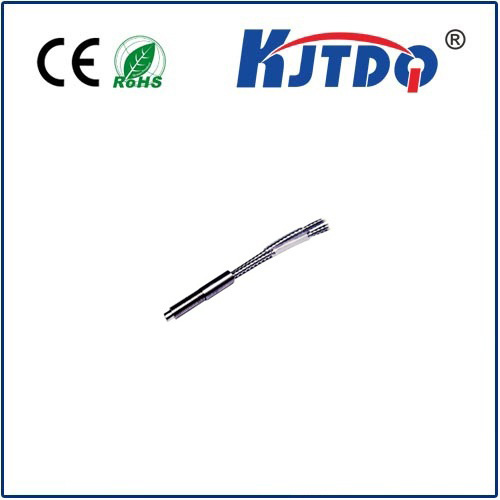
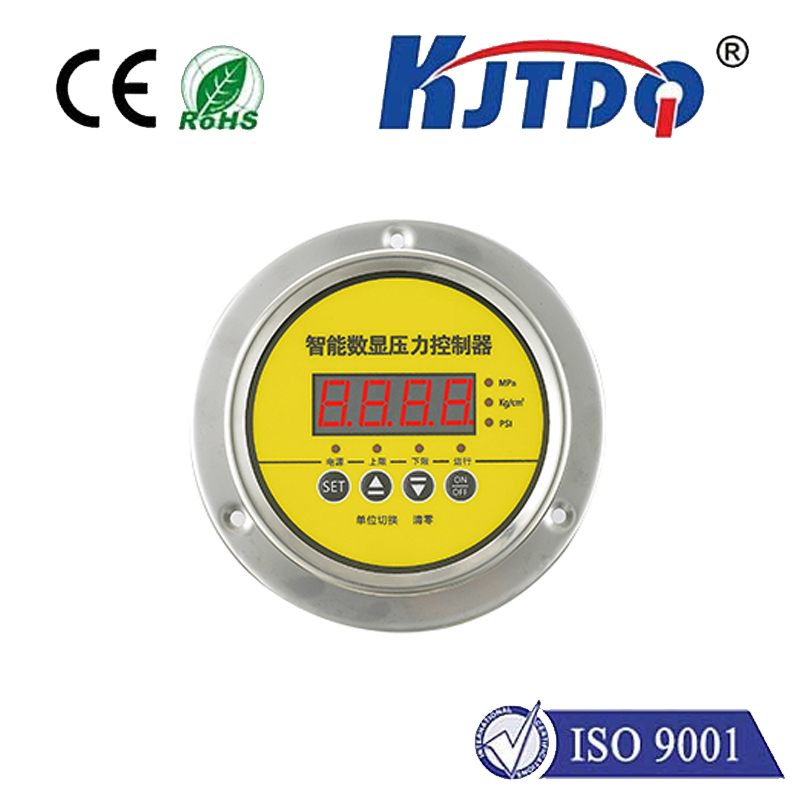
high pressure limit switch
- time:2025-08-03 00:55:39
- Click:0
High Pressure Limit Switches: The Essential Guardians Against Catastrophic System Failure
Imagine a high-pressure steam line suddenly rupturing, a hydraulic press exceeding its design limits, or an industrial boiler pushed beyond safe parameters. The potential consequences – equipment destruction, costly downtime, environmental damage, or even personal injury – are severe. This is precisely the scenario high pressure limit switches are engineered to prevent, acting as the crucial, final line of defense in countless systems where pressure control is paramount. Understanding their role, operation, and importance is fundamental for ensuring safety and reliability in demanding industrial environments.
What is a High Pressure Limit Switch?
At its core, a high pressure limit switch is a specialized safety device designed to monitor fluid pressure (liquid or gas) within a system. Its primary, non-negotiable function is to detect when the pressure surpasses a predetermined maximum safe threshold. Unlike a pressure transducer or controller that provides continuous feedback or proportional control, the limit switch has a singular, critical mission: to trigger an immediate system shutdown or initiate an emergency sequence when that preset limit is breached. It is, fundamentally, a fail-safe mechanism.
How They Work: Simplicity for Reliability
The operation of a high pressure limit switch hinges on robust mechanics for maximum reliability:
- Pressure Sensing: The switch employs a sensing element – commonly a diaphragm, bellows, or piston – exposed to the system pressure.
- Force Transmission: As pressure rises, it exerts force on this sensing element.
- Actuation Point: This force is transmitted to a calibrated spring mechanism. When the force generated by the pressure overcomes the opposing force of the spring (set to the desired cut-out pressure), the mechanism trips.
- Electrical Switching: Tripping the mechanism physically changes the state of electrical contacts within the switch. Typically, this means opening a normally closed (NC) circuit or closing a normally open (NO) circuit.
- Signal & Action: This electrical state change sends a signal to the system’s control panel or safety controller, demanding an immediate shutdown of pumps, compressors, heat sources, or other pressure-generating components.
Crucial Applications: Where Safety is Non-Negotiable
High pressure limit switches are indispensable guardians in a vast array of industries:
- HVAC/R Systems: Protecting boilers, chillers, and compressors from dangerously high refrigerant or steam pressure.
- Hydraulic Systems: Preventing over-pressurization in presses, lifts, and heavy machinery that could lead to hose bursts or cylinder failure.
- Pneumatic Systems: Safeguarding air compressors, receivers, and pipelines from exceeding maximum pressure ratings.
- Industrial Boilers: Serving as a vital safety interlock to prevent catastrophic boiler explosions.
- Process Industries: Monitoring critical pressure points in chemical plants, refineries, and power generation to prevent leaks or equipment failure.
- Water Treatment: Protecting pumps and filtration systems from excessive pressure buildup.
Why Are They So Critical? Key Features and Considerations
The effectiveness of a high pressure limit switch lies in several essential characteristics:
- Set Point Accuracy: Precise calibration is vital. The switch must activate reliably at the predetermined pressure, neither too early (causing nuisance trips) nor too late (compromising safety).
- Hysteresis: This refers to the difference between the pressure at which the switch trips (cut-out) and the pressure at which it resets (cut-in). Adequate hysteresis prevents rapid cycling (chattering) when pressure hovers near the set point.
- Robust Construction: Designed to endure harsh environments – vibration, extreme temperatures, corrosive fluids, and physical shock are common challenges. Materials like stainless steel housings and corrosion-resistant diaphragms are standard.
- Manual Reset vs. Automatic Reset:
- Manual Reset: Requires physical intervention (e.g., pressing a button) to restore operation after a trip. This is the preferred choice for critical safety applications as it forces investigation into the cause of the overpressure event before restarting.
- Automatic Reset: Resumes operation once pressure drops below the reset point. Suited for less critical applications where temporary overpressure might occur without underlying fault, but not recommended as the primary safety device for hazardous systems.
- Fail-Safe Design: Engineered so that common failure modes (like a broken sensing element or loss of power) default to the safe state (usually opening the circuit to trigger shutdown).
- Electrical Ratings: Must match the voltage and current requirements of the connected control circuit.
Installation and Maintenance: Ensuring Continuous Vigilance
Selecting and installing a high pressure limit switch correctly is as vital as its inherent design:
- Location: Mounted directly at the point where pressure monitoring is most critical, often close to the pressure source (e.g., pump discharge, boiler header).
- Connection: Properly sized tubing or port connection ensures accurate pressure transmission without dampening or delay. Avoid long, narrow, or kinked impulse lines.
- Calibration: Switches should be periodically calibrated against a certified reference gauge to ensure the set point remains accurate. Documentation of calibration is often required by safety standards.
- Regular Testing: Functionality should be tested regularly according to manufacturer recommendations and safety protocols (e.g., simulating an overpressure condition in a safe manner to verify shutdown).
- Environment: Consider ambient temperature, potential for moisture ingress, exposure to chemicals, and vibration levels when selecting the model.
Beyond Basic Safety: Integration and Evolution
Modern high pressure limit switches often integrate seamlessly into broader control and safety systems (SCADA, PLCs, BMS). They can provide not just a shutdown signal, but also diagnostic status or alarm outputs. While the core mechanical switching principle remains dominant due to its proven reliability and fail-safe nature, some advanced models incorporate electronic sensing with microprocessors, offering features like adjustable set points, digital displays, and communication protocols. However, the core function – reliably interrupting the system upon overpressure – remains unchanged and critical.
The Non-Negotiable Safeguard
High pressure limit switches are not glamorous components, but their role is absolutely vital. They embody the principle that redundant layers of safety are essential for protecting personnel, equipment, and the environment. Selecting the right switch for the application, installing it correctly, and maintaining it diligently are not just good practices; they are fundamental responsibilities. By understanding these indispensable devices, engineers, technicians, and facility managers can ensure that their systems operate safely within their design boundaries, preventing the disastrous consequences of uncontrolled pressure. In the complex dance of industrial processes, the high pressure limit switch stands as a silent, unwavering sentinel against catastrophe.