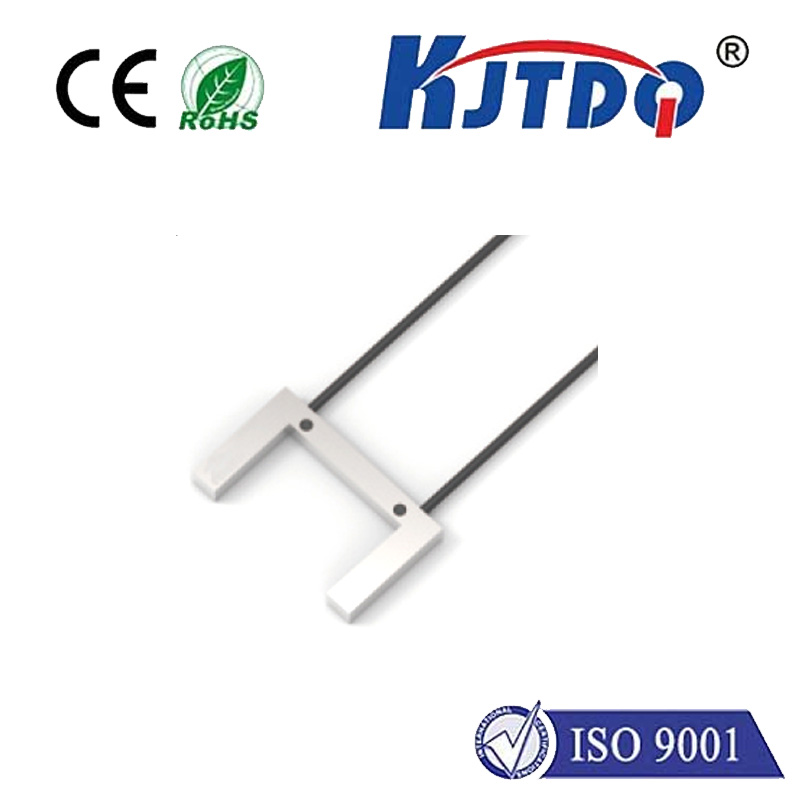
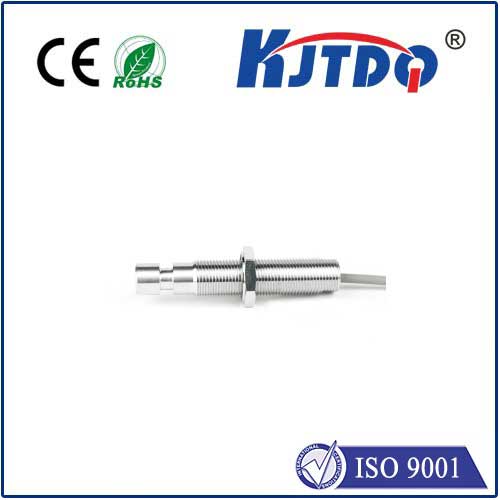
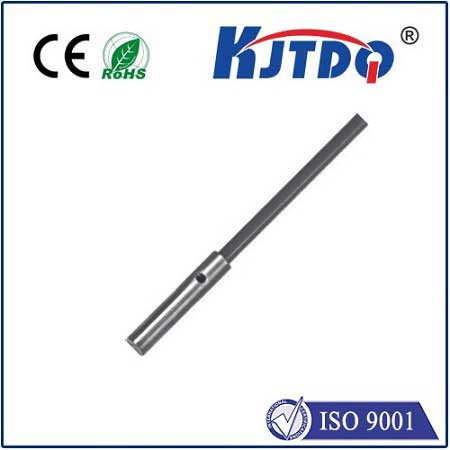
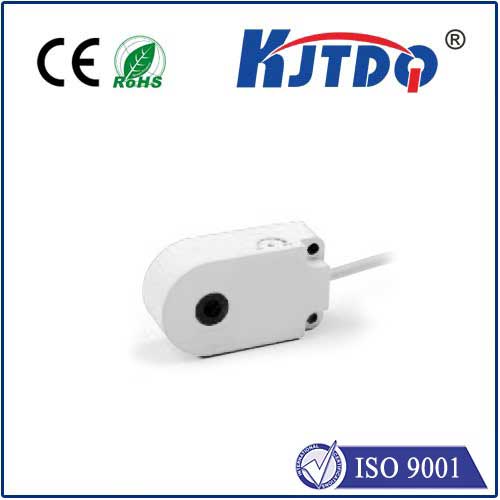
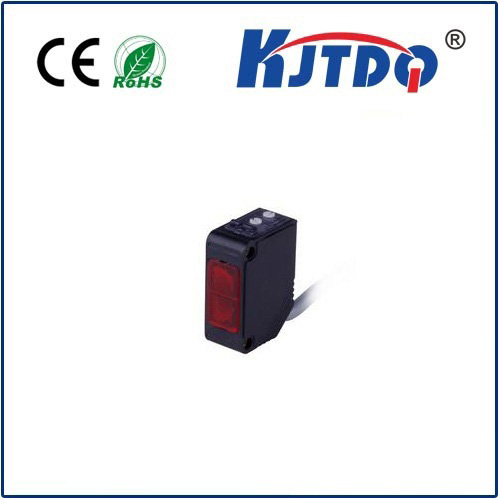
micro switch sensor
- time:2025-08-01 13:26:05
- Click:0
Micro Switch Sensors: The Unsung Heroes of Precision Control in Modern Automation
In a world obsessed with the latest digital marvels, a tiny mechanical component quietly underpins countless essential functions. The humble micro switch sensor, often overlooked amidst flashier electronics, is a fundamental building block of reliability and precision across diverse industries. These robust electromechanical switches, characterized by their distinct snapping action and compact size, provide critical control, safety, and feedback in applications where certainty counts. Understanding their operation, benefits, and versatility reveals why they remain indispensable in our increasingly automated landscape.
What Exactly is a Micro Switch Sensor?
At its core, a micro switch is a type of snap-action switch, instantly recognizable by its spring-loaded plunger, lever, or roller actuator. The defining characteristic is its momentary action: physical pressure triggers a rapid, high-speed switching motion inside a contained housing. A small movement of the actuator (often just fractions of a millimeter) causes internal contacts to snap open or closed with significant force. This “snap-action” mechanism is key to its reliability, ensuring a clean, bounce-free connection or disconnection regardless of the speed at which the actuator is pressed or released.
Despite the “micro” moniker referring primarily to the minute actuator travel needed (differential travel), the term is universally used for this specific switch type. When integrated as a sensor, its primary function is to detect the physical presence, absence, position, or limit of an object or component. This detection event then triggers an electrical signal – completing or breaking a circuit – to signal a control system, initiate an action, or provide safety interlocking.
Why Micro Switch Sensors Shine: Key Advantages
Several inherent qualities make micro switch sensors a preferred choice in demanding environments:
- Exceptional Durability and Longevity: Engineered for millions of operating cycles, micro switches boast outstanding mechanical life. Their robust internal construction withstands significant physical stress and repeated actuation.
- High Repeatability and Precision: The snap-action mechanism delivers consistent performance. The precise actuation point (OP: Operating Position) and reset point (RP: Reset Position), along with minimal over-travel required, ensure reliable detection time after time.
- Positive Tactile Feedback: The distinct “click” or snap feel provides audible and tactile confirmation to users or technicians that the switch has been actuated – a crucial feature for control panels and safety devices.
- High Electrical Ratings in Compact Size: Micro switch sensors can handle surprisingly high currents (often 10A+ AC/DC) and voltages relative to their small footprint, making them powerful components in tight spaces.
- Variety of Actuators: Available with numerous lever types (straight, simulated roller, roller, leaf), plungers, and even whisker designs, micro switches can be optimized to sense different stimuli – a light touch, a lateral sweep, or a specific position.
- Environmental Resilience: Many are sealed (IP67 ratings common) to resist dust, moisture, and contaminants, while others feature rugged casings resistant to impact and vibration. Variants are also available with gold-plated contacts for enhanced performance in low-current signal applications.
- Cost-Effectiveness: Offering high reliability and long life at a relatively low unit cost, they deliver significant value, especially in high-volume applications.
Ubiquitous Applications: Where You’ll Find Them
The versatility of micro switch sensors ensures their presence in an astonishing array of devices and systems:
- Industrial Automation & Machinery: Limit switches on robotic arms, CNC machines, conveyors, and packaging lines to define travel endpoints and ensure safe operation. Door interlocks on control cabinets and safety gates.
- Appliances: Door/drawer detection in refrigerators, washing machines, ovens, and microwaves. Water level sensors, lid interlock switches, and controls on coffee makers and vending machines.
- Automotive: Position sensing in gear selectors, brake pedal switches, clutch switches, door locks, power windows, seat belt sensors, and hood/trunk latches.
- Elevators & Escalators: Door sensors, leveling controls, and safety edge detection.
- HVAC Systems: Airflow detection, pressure switches, damper position sensing, and freeze stats.
- Medical Equipment: Safety interlocks on scanners, therapy devices, centrifuge lids, and patient monitoring equipment.
- Vending & Gaming Machines: Coin mechanism detection, payout verification, door switches, and lever actuation.
- Consumer Electronics: Mode selectors, power buttons, lid closures on laptops, and detection in printers/scanners.
- Security Systems: Tamper detection on doors, windows, and control panels.
Selecting the Right Micro Switch Sensor
Choosing the optimal micro switch involves considering several parameters:
- Actuator Type: Match the actuator (lever, plunger, roller) to the physical motion being detected and the available space/force.
- Electrical Requirements: Voltage (AC/DC), current handling capability (both make/break and carry loads), and contact configuration (SPST, SPDT, DPDT).
- Operating Force & Travel: The force needed to actuate (OP) and the distance traveled before snapping. Differential travel defines the gap between OP and RP.
- Environmental Conditions: Exposure to dust, moisture, extreme temperatures, or chemicals dictates the required sealing (IP rating) and material choices.
- Durability Needs: Expected number of operating cycles influences material selection (e.g., silver vs. gold contacts for low current) and overall construction quality.
- Mounting & Size Constraints: Physical space and mounting method (solder lugs, quick-connect tabs, screw terminals, PCB mount).
The Enduring Power of Precision Mechanics
While solid-state alternatives like optical and Hall-effect sensors proliferate, the micro switch sensor retains a vital role. Its unique combination of simplicity, robust physical feedback, high electrical capacity, and cost-effectiveness ensures its continued dominance in applications demanding definitive physical position detection or reliable contact closure under load. It thrives where environmental harshness, mechanical abuse, or the need for fail-safe operation rules out more delicate sensing solutions. As automation and safety requirements evolve, the fundamental technology embodied in the micro switch – that precise, audible snap translating physical force into an electrical command – remains a cornerstone of dependable control systems. They are the tireless, miniature guardians ensuring machinery stops where it should, doors only operate when safe, and countless processes execute with unwavering accuracy.