check

check

check

check
check
check
check
check

check

check
Imagine a high-speed bottling line. Thousands of containers whizz past per hour, each needing precise filling, capping, and labeling. A single missed bottle or misaligned cap could cause costly jams, production downtime, or defective products flooding the line. What stands as the silent, tireless guardian ensuring this flawless operation? Often, it’s a technology like the Dolphin M18 photo sensor. These compact yet powerful devices are the unsung heroes of modern automation, providing the critical object detection capabilities that keep processes running smoothly, safely, and efficiently. Understanding their role and advantages is key to optimizing countless industrial applications.
At their core, photoelectric sensors, like the Dolphin M18 series, work on a simple but highly effective principle: they emit a beam of light (visible red, infrared, or laser) and detect changes in that beam caused by the presence or absence of a target object. Depending on the model and application, they utilize different operating modes:
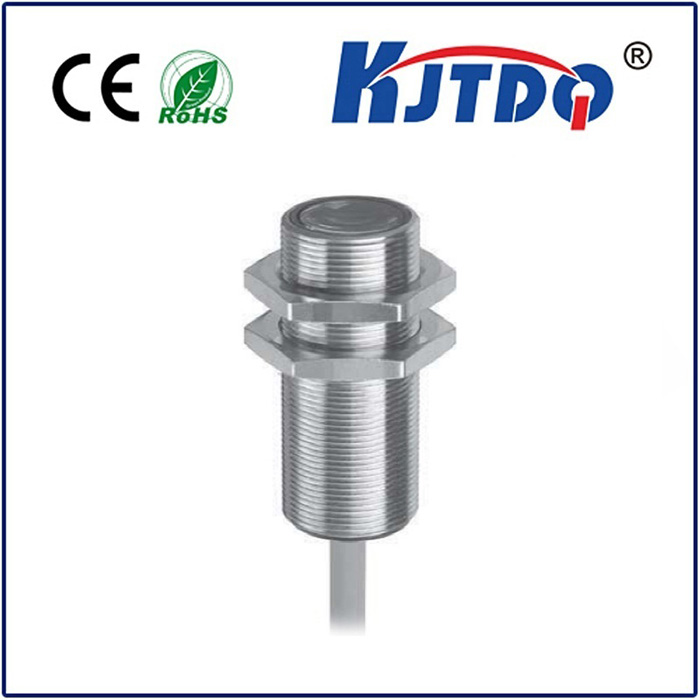
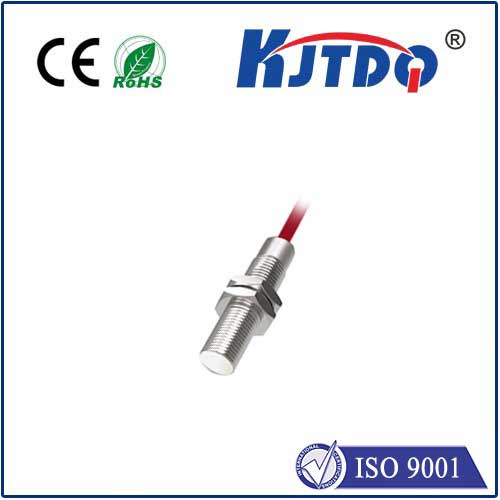
So, what makes the Dolphin M18 photo sensor a compelling choice in this crowded field? “M18” specifically refers to the sensor’s cylindrical housing diameter – an 18mm threaded barrel, which is an industry-standard size. This universality translates to immense practical benefits:
The applications for a reliable M18 photo sensor like the Dolphin are truly vast across numerous sectors:
The core value proposition of the Dolphin M18 photo sensor lies in its blend of standardization, durability, and performance. By opting for an M18 form factor sensor from a reputable supplier like Dolphin, engineers and maintenance teams gain a predictable, easy-to-integrate solution suitable for the demanding real-world conditions of factory floors. The robust design minimizes failures and maintenance intervals, while the inherent sensitivity and range capabilities of photoelectric sensing provide reliable detection critical for process automation. The versatility offered by different operating modes (through-beam, retro-reflective, diffuse) within the M18 housing ensures a suitable solution exists for myriad detection challenges. Integrating these sensors effectively translates directly to reduced downtime, minimized waste, enhanced safety, and ultimately, increased overall operational efficiency. Selecting the right tool for the job, especially when it involves the fundamental task of object detection, remains paramount for building resilient and productive automated systems. The Dolphin M18 stands as a proven, adaptable component in that essential toolkit.