check
check

check

check
check
check
check
check

check

check
Think about the last time your smartphone dimmed during a call, the refrigerator light turned on automatically as you approached, or a car warned you about a nearby obstacle while parking. These seamless, almost magical interactions rely on a small but crucial technology: the proximity distance sensor. Often unseen and unsung, these devices act as the silent observers and guardians within countless electronic systems, enabling smarter, safer, and more intuitive interactions between machines and their environment. This article delves into the world of proximity distance sensors, exploring how they work, where they excel, and why they are foundational to the tech around us.
Beyond Simple Detection: Understanding Proximity vs. Distance
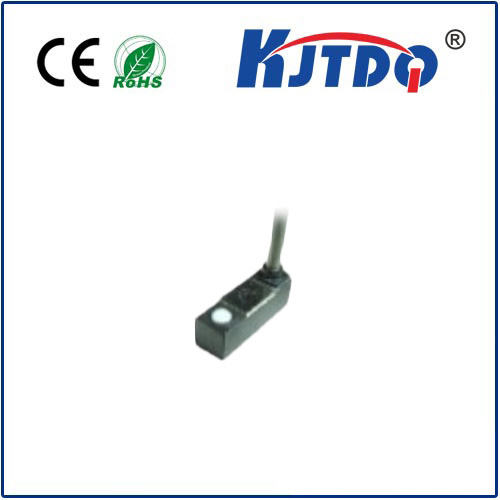
While often used interchangeably, it’s vital to distinguish the core concepts. A proximity sensor primarily detects the presence or absence of an object within a relatively short, predefined range. Its output is typically binary: “object near” or “no object.” A distance sensor, however, goes further, actively measuring the precise distance between itself and a detected object, providing continuous analog or digital data representing that separation. Proximity distance sensors bridge this gap, offering the fundamental detection capability of proximity sensors combined with the ability to quantify how far away the object is. They answer not just “Is something there?” but crucially, “How far away is it?”
How Do They “See”? Unveiling Common Sensing Technologies
Proximity distance sensors employ various physical principles to achieve non-contact detection and ranging. The choice of technology depends heavily on the application’s specific needs:
Where They Make a Difference: Diverse Applications
The ability to detect presence and measure distance without physical contact unlocks countless applications:
Selecting the Right Sensor: Key Considerations
Choosing the optimal proximity distance sensor hinges on several critical factors:
The Future is Sensing: Continuous Innovation
The field of proximity distance sensing is far from static. Advancements focus on increased accuracy, smaller form factors, lower power consumption (critical for IoT), multi-functionality (sensors combining multiple technologies), and smarter integration. Time-of-Flight (ToF) technology, particularly using IR lasers, is becoming more compact and affordable, enabling high-precision distance measurement in devices like smartphones and AR/VR headsets. Integration with AI and machine learning allows sensors to not only detect distance but also interpret the environment more intelligently – distinguishing between types of objects or predicting movement patterns.
From ensuring worker safety on a factory floor to enabling the intuitive interaction with your smartphone, proximity distance sensors are fundamental components driving efficiency, safety, and convenience. They provide the essential spatial awareness that allows machines to interact intelligently and responsively with the physical world, proving that sometimes, the most impactful technology truly is the one you don’t see. Understanding their capabilities and selecting the right type for the task empowers engineers and designers to build the smarter, more responsive systems of today and tomorrow.