check
check

check

check
check
check
check
check

check

check
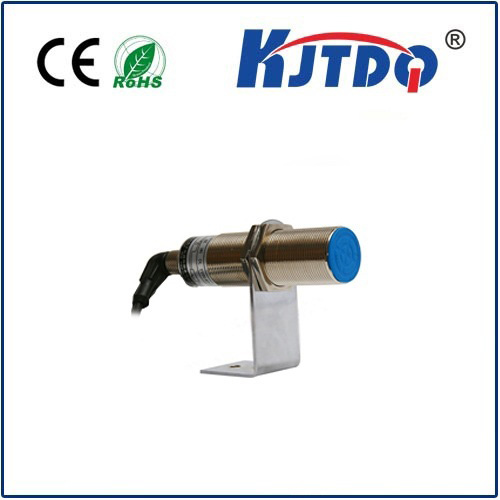
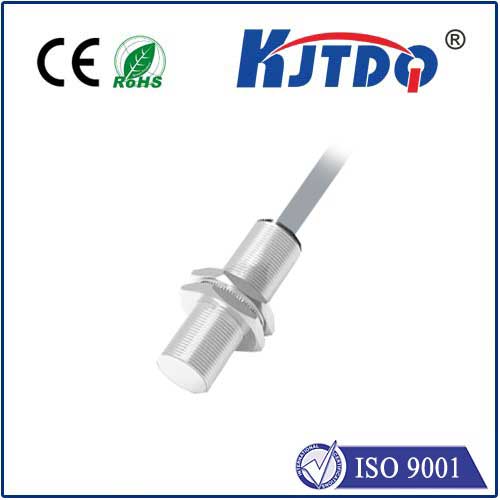
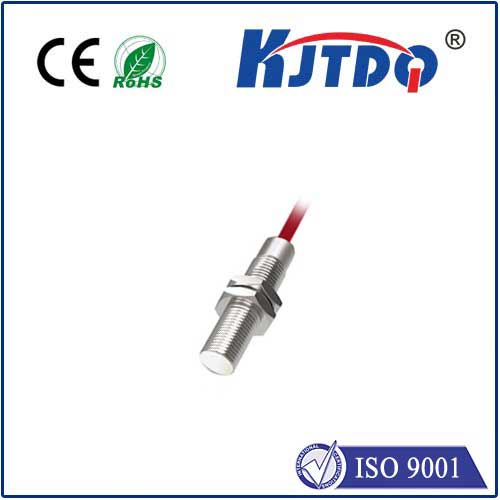
Imagine a world where robotic arms move with pinpoint precision on an assembly line, metal components are positioned flawlessly before welding, and conveyor belts halt instantly if a foreign object enters a restricted zone. This level of seamless, reliable operation owes much to a humble yet critical component: the inductive proximity sensor. This remarkable workhorse operates silently yet effectively, forming a fundamental pillar of modern sensing technology, particularly where robustness and reliability are non-negotiable.
How Does an Inductive Proximity Sensor Work?
At the heart of its operation lies a simple yet profound principle: electromagnetic induction. The sensor contains an oscillator circuit generating a high-frequency alternating magnetic field emanating from its active face. Think of this as an invisible electromagnetic shield. When a metallic target approaches this field, something fascinating happens. Eddy currents are induced within the conductive material of the target. These circulating currents create their own opposing magnetic field, effectively robbing energy from the sensor’s oscillator.
This energy loss causes a measurable change – typically a reduction in the oscillation amplitude. Sophisticated electronics within the sensor continuously monitor this amplitude. When the change exceeds a predefined threshold (indicating the target is within the specified sensing range), the sensor’s output state switches. This switch, either solid-state (like a transistor) or relay-based, provides the crucial “object present” or “object absent” signal that control systems depend on. It’s a purely non-contact detection method, meaning there’s zero physical wear on either the sensor or the target.
Key Advantages Driving Widespread Adoption
The popularity of inductive proximity switches stems from a compelling set of advantages perfectly attuned to demanding industrial settings:
Where Do They Shine? Applications Galore
This combination of ruggedness, speed, and reliability makes the inductive proximity sensor indispensable across countless automation scenarios:
Selecting the Right Inductive Proximity Switch: Key Considerations
Not all inductive sensors are created equal. Choosing the optimal one requires careful attention to several parameters:
Their inherent reliability, resilience, and precision make them fundamental to modern manufacturing, packaging, material handling, and machining processes. They provide the essential, often unseen, feedback that keeps automated systems efficient, safe, and productive – truly earning their title as the silent guardians of the factory floor. When specifying sensors for detecting metal objects in demanding environments, the inductive proximity sensor frequently proves to be the most robust, cost-effective, and long-lasting solution.