check

check

check

check
check
check
check
check

check

check

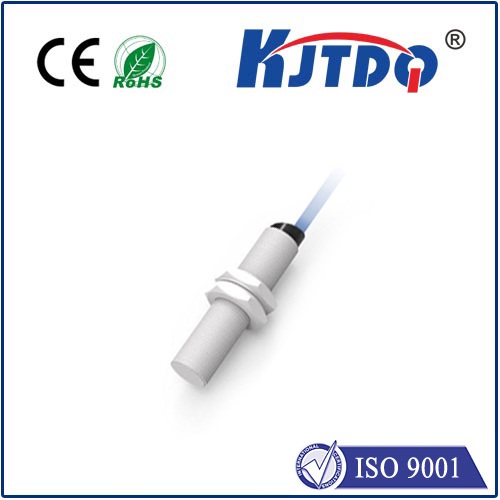
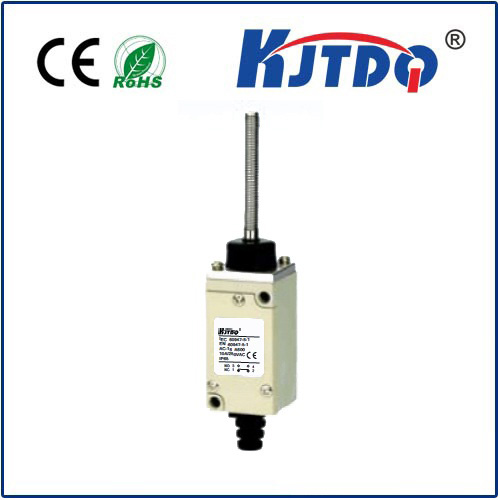
The Hidden Guardians: Unveiling the Mystery of Proximity Sensing Microswitches In an era where technological advancements are seamlessly integrated into our daily lives, proximity sensing microswitches stand as unsung heroes. These tiny yet mighty devices play a crucial role in ensuring safety and efficiency across various applications, from industrial machinery to consumer electronics. In this article, we will delve into the world of proximity sensing microswitches, understanding their function, significance, and how they have become an integral part of modern technology. Understanding Proximity Sensors To appreciate the importance of a proximity sensing microswitch, it’s essential first to understand what a proximity sensor is. A proximity sensor is an electromechanical device that detects the presence or absence of an object without any physical contact. It does this by emitting an electromagnetic field or beam of light and then measuring the reflection or disruption of that field or beam. When an object comes within a certain range, the sensor detects the change and triggers a switch. The Role of Proximity Sensing Microswitches A microswitch is a small, quick-acting switch used for controlling electrical circuits. When combined with a proximity sensor, it forms a proximity sensing microswitch, which can perform precise on/off functions based on the object’s proximity. These microswitches are particularly valued for their rapid response time and high reliability. Applications Across Industries Proximity sensing microswitches are versatile components used in numerous industries: