check

check

check

check
check
check
check
check

check

check
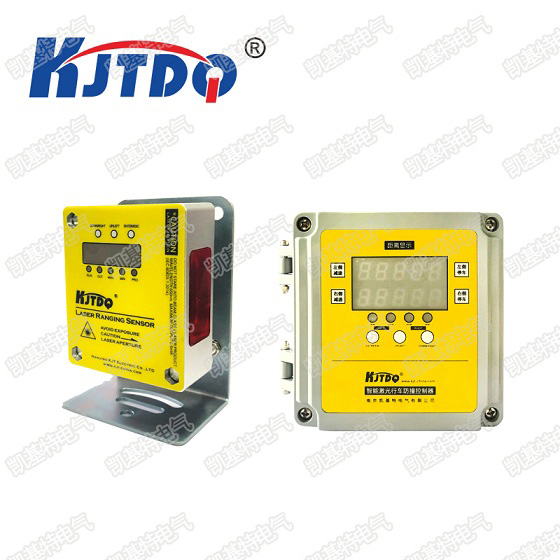
Title: The Essential Guide to Infrared Laser Distance Sensors Introduction In the realm of modern technology and automation, accurate distance measurement is crucial for a wide array of applications. One innovative solution that has gained widespread popularity is the infrared laser distance sensor. Combining the precision of laser technology with the versatility of infrared light, these sensors have revolutionized how we measure distances in various industries. In this guide, we will delve into the workings of infrared laser distance sensors, their key features, applications, and why they are indispensable in today’s tech-savvy world. Understanding Infrared Laser Distance Sensors An infrared laser distance sensor, also known as an ILD or laser rangefinder, operates by emitting an infrared laser beam towards an object. When the beam encounters the object, it reflects back towards the sensor. The time it takes for the light to return is then calculated by sophisticated electronics within the device. Since the speed of light is constant and well-known, the sensor can precisely determine the distance to the object using basic physics formulas (distance = speed of light * time / 2). This method allows for highly accurate measurements even over long distances. Key Features of Infrared Laser Sensors