check

check

check

check
check
check
check
check

check

check

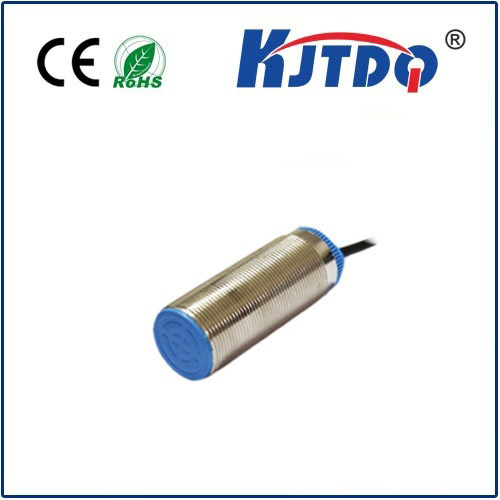
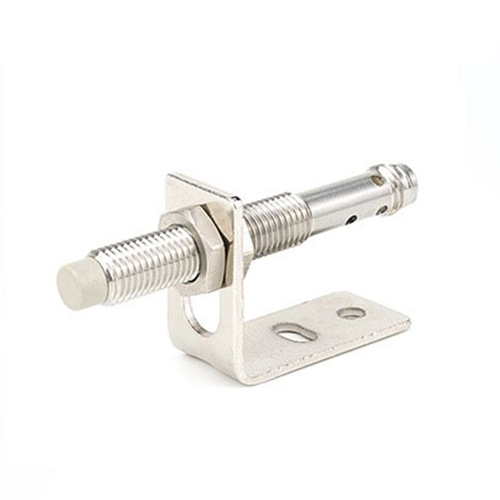
Title: Unveiling the Proximity Level Switch: A Comprehensive Guide In the vast landscape of automation and control systems, proximity level switches stand as a fundamental component, ensuring seamless operation across various industries. This comprehensive guide delves into the intricacies of proximity level switches, highlighting their significance, functionality, and diverse applications. Understanding Proximity Level Switches A proximity level switch is an ingeniously designed device that employs non-contact techniques to detect the proximity or presence of objects without physically touching them. Unlike traditional mechanical switches, these switches operate based on principles such as magnetism, capacitivity, or induction, making them highly reliable and durable for numerous applications. The core mechanism involves the generation of an electromagnetic field, which interacts with the target object when it comes within a certain distance. This interaction triggers the switch to either close or open its circuit, sending a signal to the connected control system. The sensitivity and range of this detection can be finely tuned, allowing proximity level switches to cater to specific operational requirements. Types of Proximity Level Switches Proximity level switches are classified based on the underlying technology they utilize. The three primary types include: