check

check

check

check
check
check
check
check

check

check

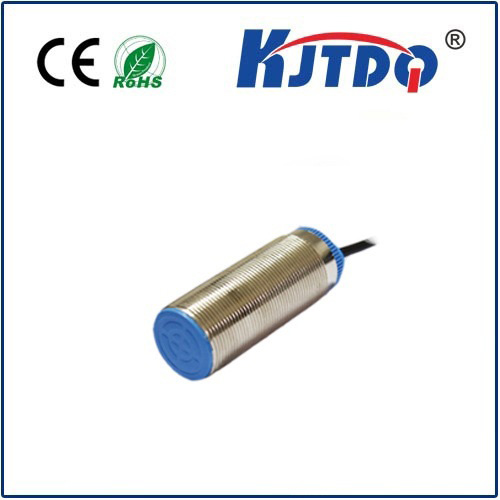
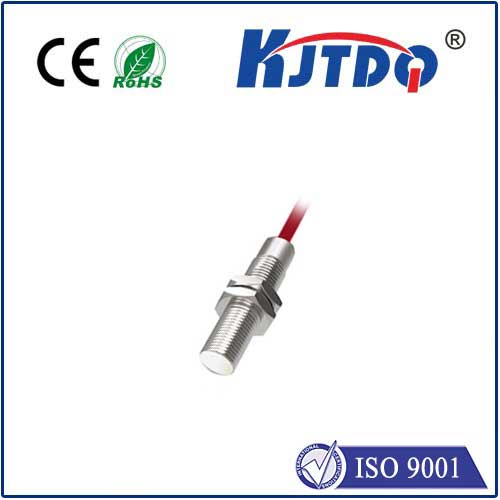
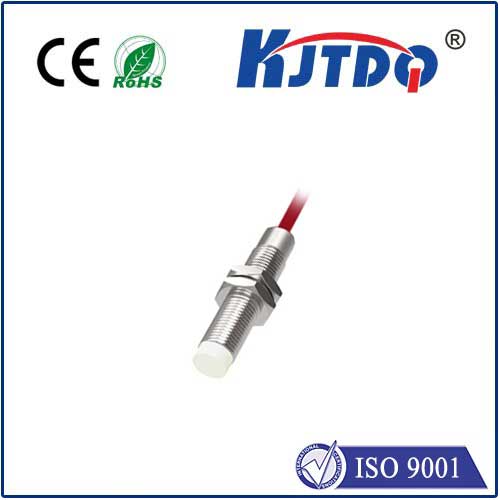
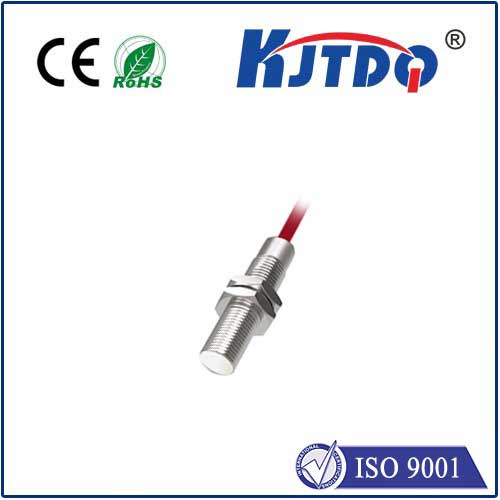
PNP Capacitive Proximity Sensors: The Ultimate Guide In the realm of automation and electronic sensing, PNP capacitive proximity sensors stand out as versatile and reliable components. These sensors, known for their robust performance and adaptability, are essential for various applications ranging from industrial control systems to consumer electronics. This article delves into the intricacies of PNP capacitive proximity sensors, exploring their functionality, benefits, and typical use cases. What is a PNP Capacitive Proximity Sensor? A PNP capacitive proximity sensor is an electronic device designed to detect the presence or absence of an object without physical contact. Unlike inductive sensors that rely on magnetic fields, capacitive sensors operate based on changes in the electrical field. When an object comes near the sensor, it alters the electrostatic field, causing a change in capacitance that the sensor can detect. The abbreviation “PNP” refers to the type of transistor configuration used in the sensor’s output stage, which stands for “Positive-Negative-Positive.” Functionality and Working Principle The core operating principle of a PNP capacitive proximity sensor involves measuring the change in capacitance between the sensor’s electrode and an external object. Here’s how it works: