check

check

check

check
check
check
check
check

check

check
Understanding the Cost of Proximity Sensors: Factors and Considerations Proximity sensors have become indispensable components across various industries, offering precise detection capabilities without physical contact. However, understanding the cost associated with these sensors is crucial for making informed decisions in both purchasing and application. The following article delves into the factors influencing the cost of proximity sensors and considerations for potential buyers.
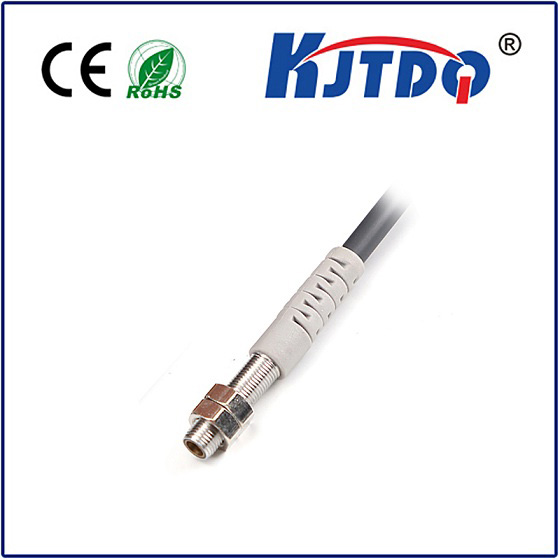
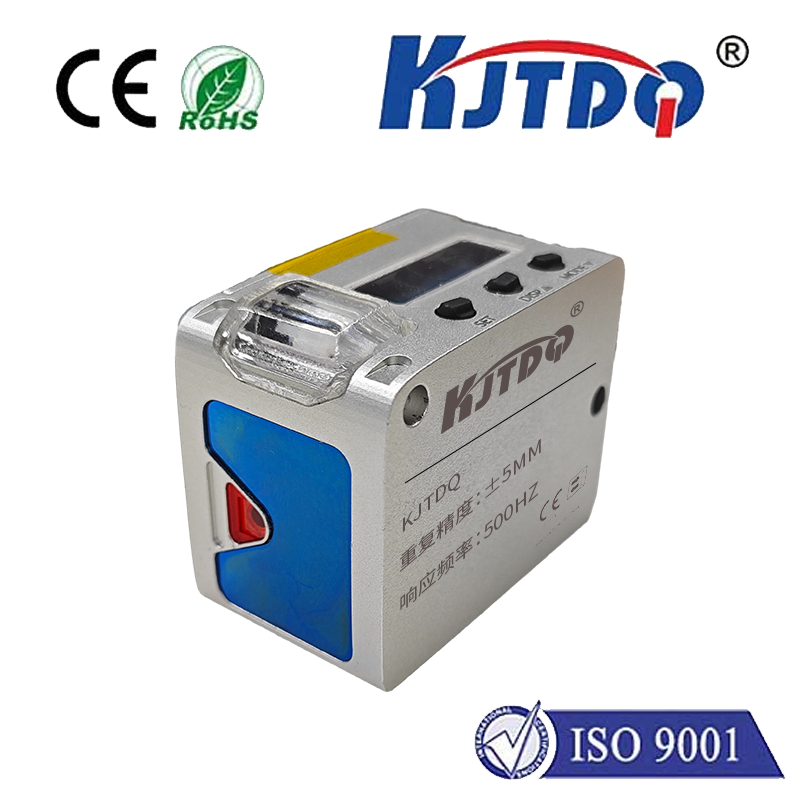
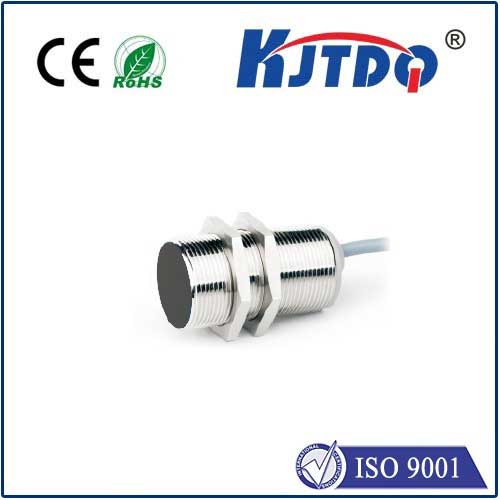
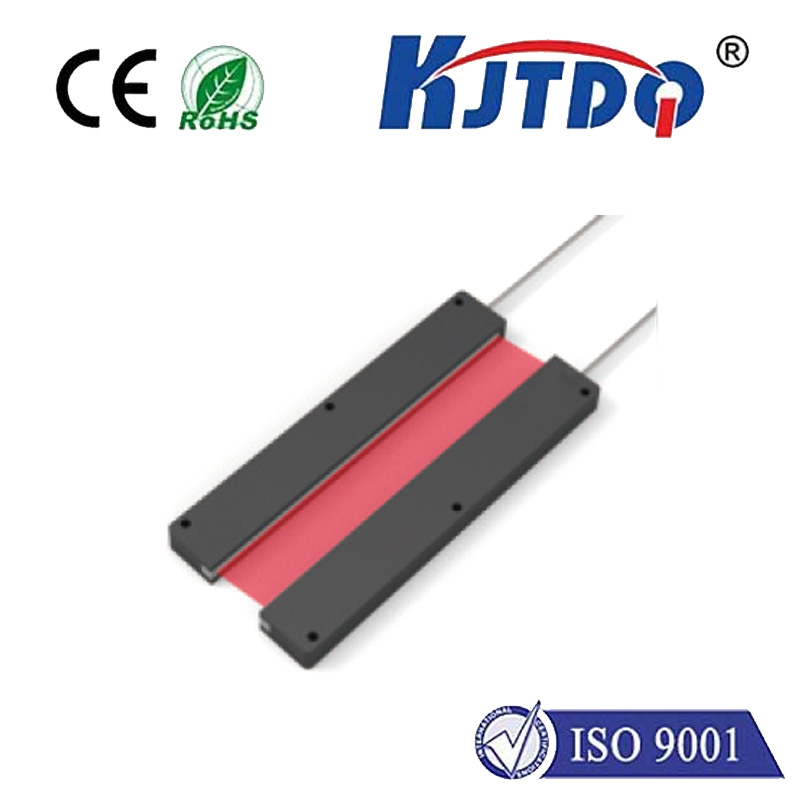
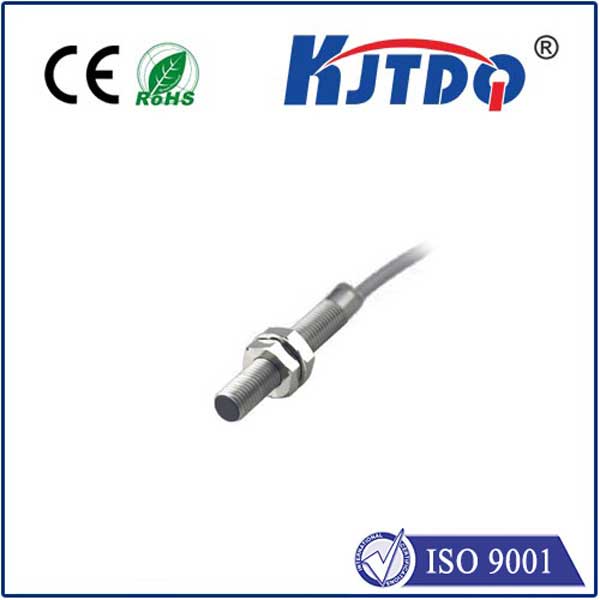
The cost of a proximity sensor can vary widely based on several factors, including technology type, brand, features, and intended use. Generally, there are three primary types of proximity sensors: inductive, capacitive, and optical. Each type has its own advantages and specific applications, impacting the overall cost.
Purchasing proximity sensors in bulk can significantly reduce per-unit costs. Many manufacturers offer discounts for large orders, making it economical for businesses with substantial needs.
When evaluating the purchase of proximity sensors, several considerations should guide your decision:
Consider the manufacturer’s warranty and customer support services. Reliable after-sales support can mitigate risks associated with potential malfunctions or technical issues, ensuring smooth operation over time.
The cost of proximity sensors is influenced by a variety of factors, making it essential to conduct thorough research and consider all aspects before making a purchase. By understanding the different types of sensors, their features, and how they align with your specific needs, you can make an informed decision that balances cost with functionality. Remember, investing in high-quality proximity sensors not only enhances performance but also contributes to long-term savings and satisfaction.