check

check

check

check
check
check
check
check

check

check

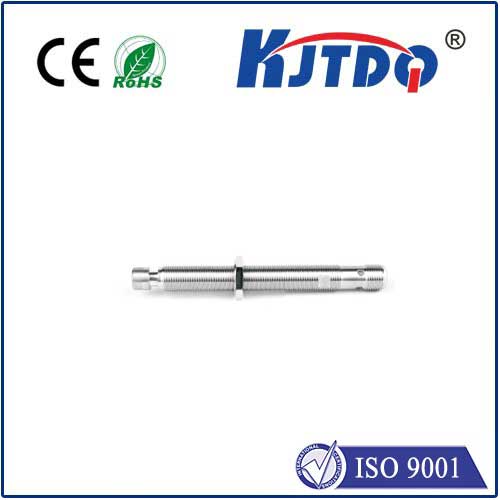
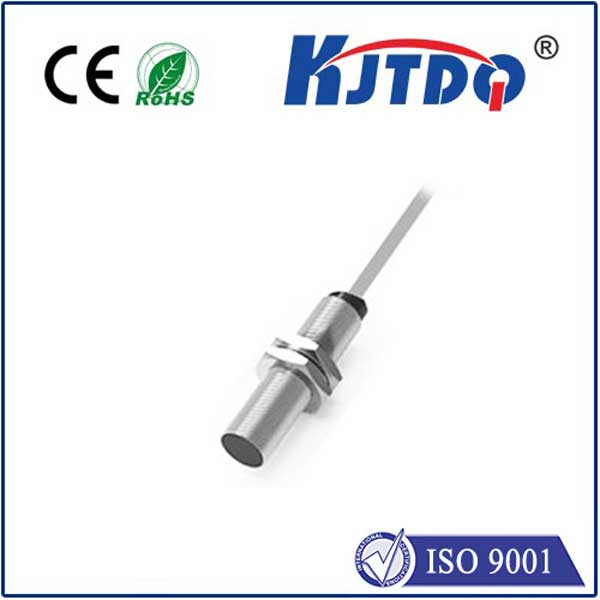
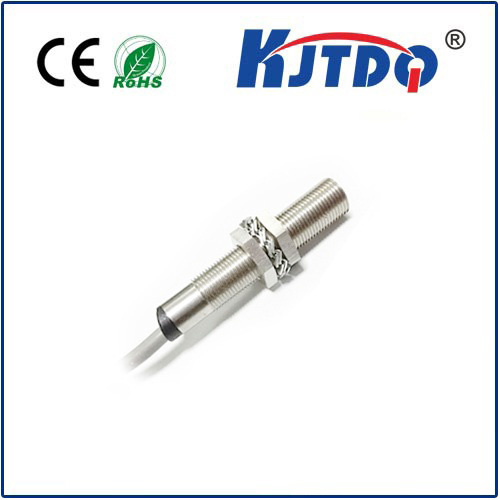
The Essential Guide to NC Proximity Switches: Enhancing Automation and Safety In the realm of automation, where precision and reliability reign supreme, NC proximity switches stand out as critical components in countless industrial and commercial applications. Short for “Normally Closed,” these sophisticated devices play a crucial role in monitoring position, presence, or absence of an object without physical contact. This guide delves into the intricacies of NC proximity switches, their functionality, and the myriad benefits they bring to modern automation systems. Understanding NC Proximity Switches At its core, an NC proximity switch operates on the principle of electromagnetic field variation. Unlike mechanical limit switches that require direct contact, proximity switches detect the presence or absence of an object within a certain distance, typically through changes in capacitance, inductance, or magnetic fields. When no target is detected, the switch remains closed (NC), completing the circuit. Upon detection, it opens, signaling the change in state. This non-contact operation translates into several advantages, including reduced wear and tear, enhanced response speeds, and increased longevity of both the switch and the machinery it controls. Key Features & Benefits