check

check

check

check

check

check
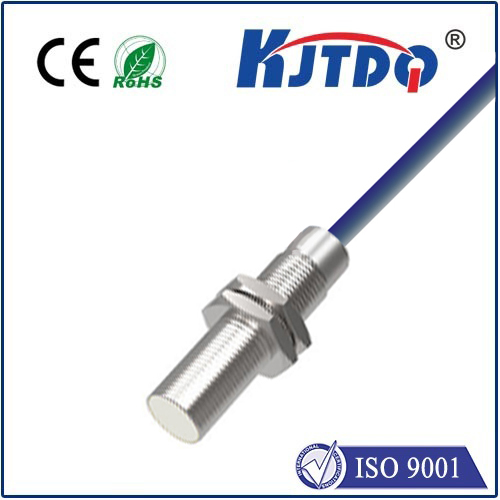
Title: Unveiling the Benefits of 24VDC Proximity Sensors for Modern Automation In the ever-evolving landscape of automation and control systems, the significance of efficient, reliable sensors cannot be overstated. Among these, the 24VDC proximity sensor stands as a testament to technological advancement, offering unparalleled accuracy and durability in a wide range of applications. This article delves into the advantages of 24VDC proximity sensors and explores how they are revolutionizing industries with their precision and versatility. Understanding the Basics: What Are 24VDC Proximity Sensors? Before we dive into the benefits, it’s essential to understand what sets 24VDC proximity sensors apart. Unlike other types of sensors that require varying voltages and complicated wiring, 24VDC proximity sensors operate within a standardized 24-volt direct current system. This compatibility makes them ideal for integration into existing systems without the need for extensive modifications or additional power supplies. They work by detecting the presence or absence of an object within their sensing range, making them invaluable in environments where precise detection is crucial. Advantages of 24VDC Proximity Sensors