check

check

check

check

check

check
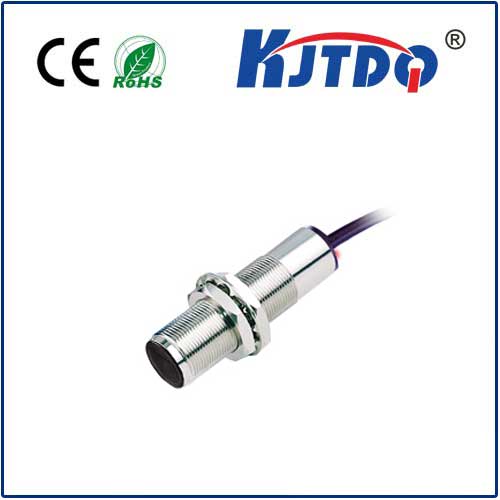
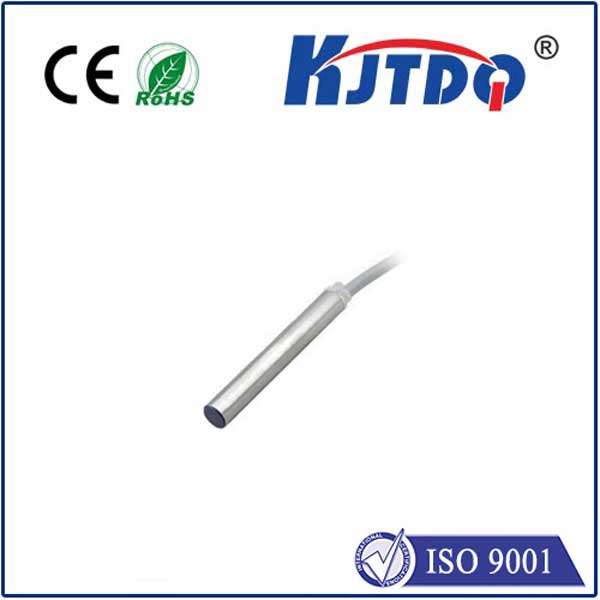
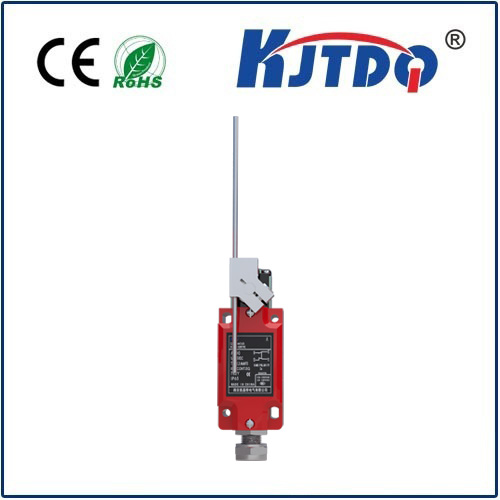
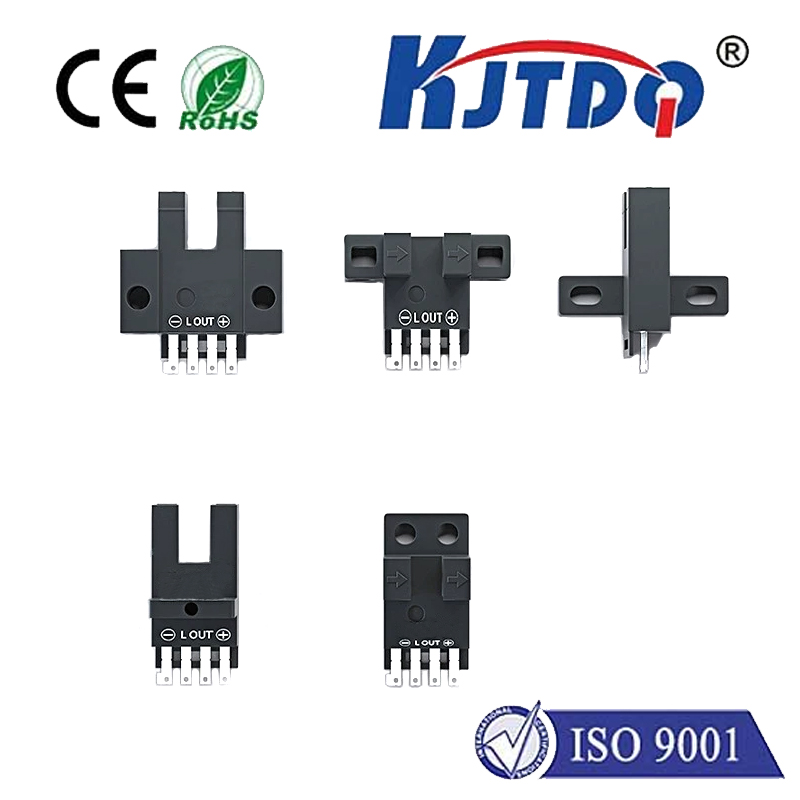
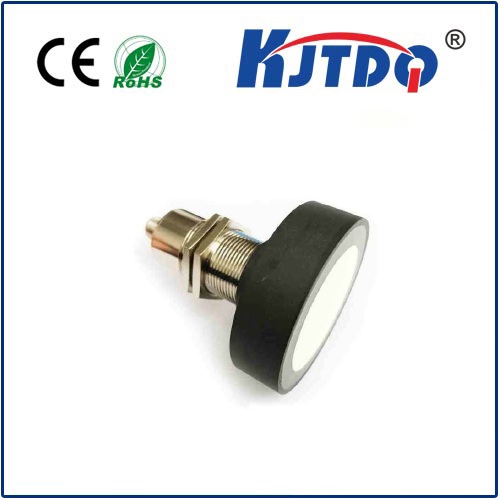
The Innovative World of Proximity Detectors: A Detailed Insight In an age where technology pervades every corner of our lives, proximity detectors have emerged as essential tools, seamlessly integrating into various applications. These devices, designed to detect the presence or absence of objects within a specific range, are revolutionizing industries and enhancing everyday conveniences. This article delves into the fascinating realm of proximity detectors, shedding light on their functionalities, types, and diverse applications. Understanding Proximity Detectors: The Basics At its core, a proximity detector is an electronic device that senses the presence of nearby objects without any physical contact. It operates based on various principles including capacitive, inductive, ultrasonic, and optical technologies. Capacitive sensors work by measuring changes in capacitance caused by the proximity of an object, while inductive sensors rely on electromagnetic fields to detect metallic objects. Ultrasonic sensors use sound waves, and optical sensors use light to identify objects in their vicinity. Types of Proximity Detectors: Diverse Technologies for Specific Needs Proximity detectors come in various forms to cater to different requirements. Here’s a closer look at some common types: