check

check

check

check

check

check

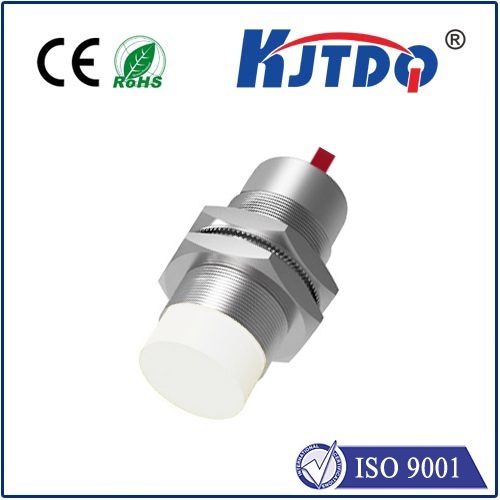
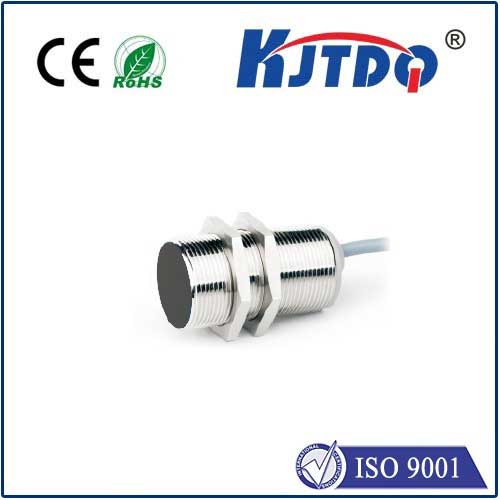
Title: Understanding the Diffuse Type Photoelectric Sensor Introduction The advancement of technology has led to the development of various types of sensors, each with unique features and applications. One such sensor is the diffuse type photoelectric sensor. This article aims to provide a comprehensive understanding of this sensor, its working principle, advantages, disadvantages, and applications. What is a Diffuse Type Photoelectric Sensor? A diffuse type photoelectric sensor is a device that detects the presence of an object by means of a beam of light. It consists of an emitter and a detector, which are separated by a specific distance. The emitter emits light towards the object, and when the light hits the object, it scatters in all directions. Some of this scattered light falls on the detector, which converts it into an electrical signal. If the object is present, the amount of light falling on the detector decreases, causing a change in the electrical signal. This change is then used to detect the presence of the object. Working Principle The working principle of a diffuse type photoelectric sensor is based on the reflection of light. When the emitter emits light towards an object, some of it is reflected back towards the detector. The amount of reflected light depends on the color, size, shape, and surface texture of the object. If the object is present, it reflects more light than if it were not there. This increase in reflected light causes a corresponding decrease in the amount of light falling on the detector. The change in light intensity is measured and used to determine whether an object is present or not. Advantages of Diffuse Type Photoelectric Sensors