
check

check

check

check
check
check
check
check

check

check
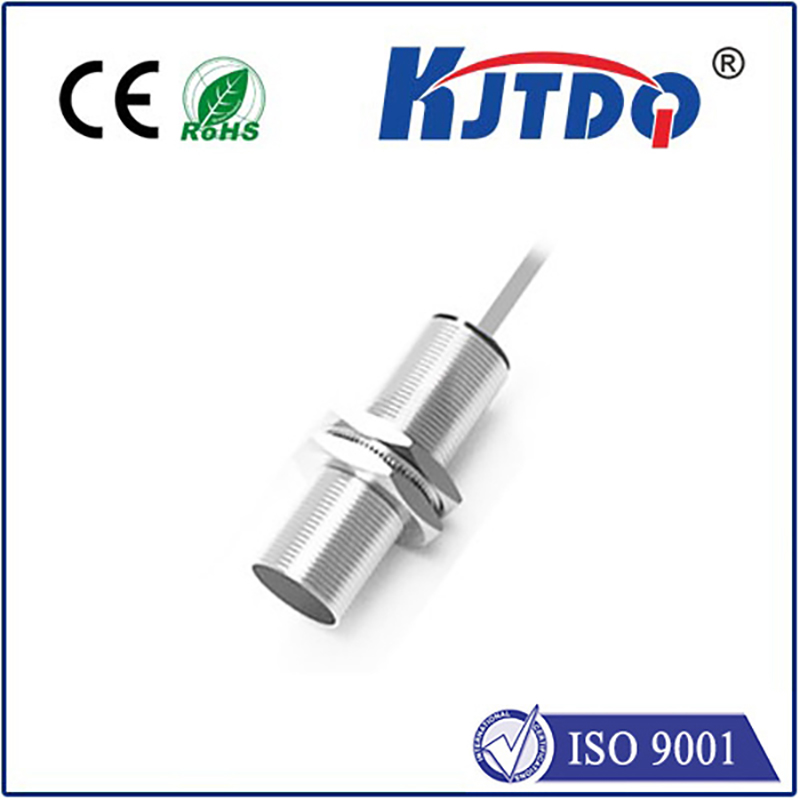
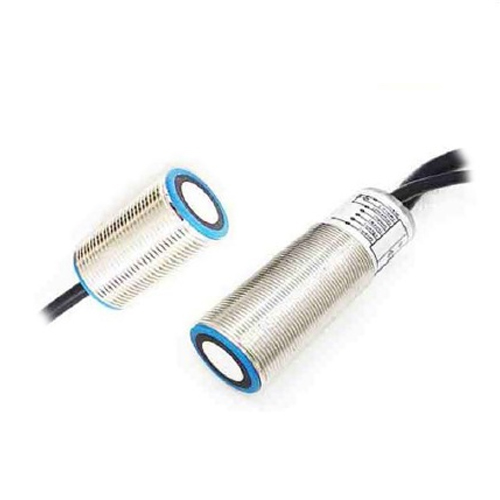
Choose an ultra-small inductive proximity sensor by defining the real non-contact metal detection task before comparing product families. Record the target or measured object, operating range, motion, mounting geometry, environment, controller interface, and acceptance test. Use the worst permitted condition rather than the easiest sample, and verify every numerical limit against the current data sheet for the exact model. A category description can identify a technology direction, but it cannot prove model-level distance, response, accuracy, ingress protection, temperature limits, wiring, or certification.
The primary task is miniature inductive proximity sensor for compact machines. This article treats that phrase as one engineering decision, not as a claim that every product in a category fits the application. The boundary includes the actual target or measured object, minimum and maximum operating condition, installation geometry, control interface, environment, consequence of failure, and evidence required for approval.
An ultra-small inductive proximity sensor should be evaluated with the actual metal grade and target dimensions. Surrounding metal, mounting construction, target approach, and tolerance stack can change the reliable switching zone. Prioritize available envelope, short target travel, surrounding-metal interference, cable exit, bracket stiffness, and mechanical protection; compact size often reduces adjustment room and tolerance margin.