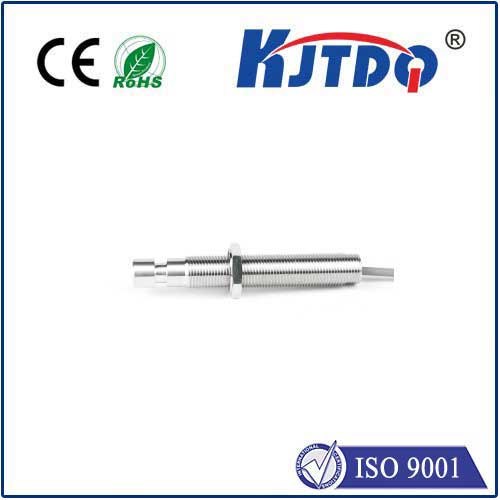
Gasoline Engine RPM Sensor: The Key Guardian of Automotive Performance
In the modern automotive industry, optimizing gasoline engine performance relies heavily on various precision sensors, with the RPM sensor undoubtedly playing a crucial role. Functioning as the engine's “eyes,” it continuously monitors the engine's operational status, providing vital data to the vehicle control system to ensure efficient and stable engine operation. This article will delve into the working principles, significance, and role of the gasoline engine RPM sensor in enhancing vehicle performance.
Working Principle of a Speed Sensor
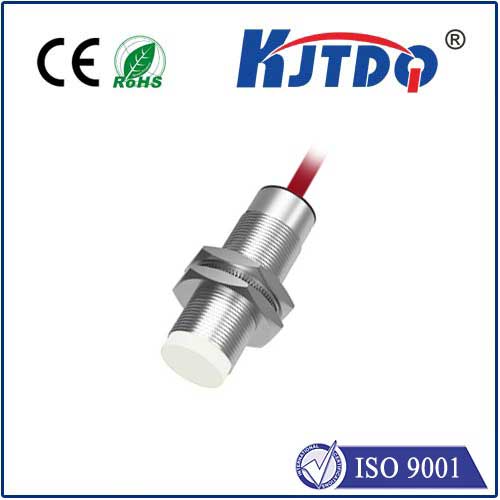
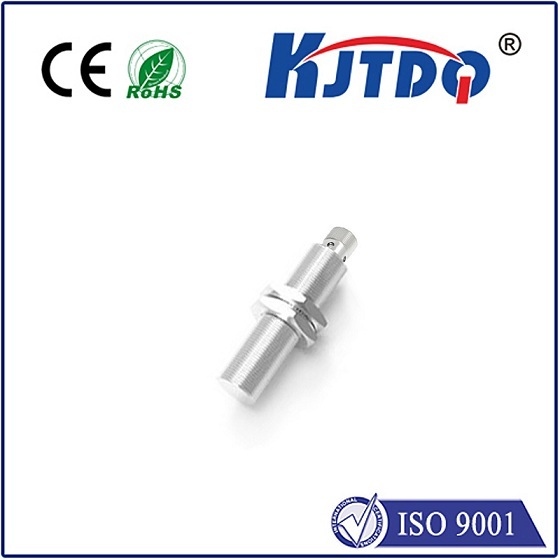
The gasoline engine speed sensor, also known as the crankshaft position sensor, is primarily used to detect the rotational speed and position of the engine crankshaft. Its operating principle is based on either the magnetoelectric effect or the Hall effect. As the engine crankshaft rotates, the sensor detects changes in the toothed ring or magnets on the crankshaft, generating corresponding electrical signals. These signals are transmitted to the engine control unit (ECU), which uses this data to adjust parameters such as fuel injection and ignition timing, thereby optimizing engine performance. In magnetoelectric RPM sensors, the rotation of the toothed ring on the crankshaft causes the internal magnet to generate a changing magnetic field. This induces voltage signals in the sensor coil. The frequency of these signals is directly proportional to engine speed. By analyzing these signals, the ECU can precisely calculate the engine's rotational speed and crankshaft position.
The Importance of Speed Sensors
The crankshaft position sensor plays an indispensable role in automotive engine management. First, it directly influences the engine's ignition and fuel injection systems. If the sensor fails, the ECU cannot accurately obtain engine speed and crankshaft position information, leading to inaccurate ignition timing and even preventing engine startup. This not only affects vehicle performance but may also cause severe engine damage. The RPM sensor is also closely linked to the vehicle's emission control system. To meet increasingly stringent emission standards, modern vehicles require precise control over fuel injection volume and ignition timing. The data provided by the RPM sensor forms the foundation for the ECU's calculations, and its accuracy directly impacts the vehicle's emission levels and fuel economy. The RPM sensor also plays a vital role in the vehicle's stability control systems. For instance, in the Anti-lock Braking System (ABS) and Electronic Stability Program (ESP), data from the RPM sensor monitors wheel speeds. This enables the systems to assess the vehicle's driving state, intervene promptly, and ensure driving safety.
Types and Applications of Speed Sensors
Based on their operating principles and installation locations, gasoline engine speed sensors are primarily categorized into the following types:
Magnetoelectric Speed Sensor: The most common type, it detects crankshaft speed using the magnetoelectric effect. Its advantages include simple structure and high reliability, making it suitable for most gasoline engines.
Hall-Effect Speed Sensor: Based on the Hall effect, it offers higher precision and response speed, typically used in high-performance engines or applications requiring greater control accuracy.
Photoelectric RPM Sensor: Detects rotational speed through the photoelectric effect. While highly accurate, it demands stricter environmental conditions and is primarily used in specialized applications. In practical applications, the selection of an RPM sensor depends on the engine's specific requirements. For instance, high-performance sports cars typically employ Hall-effect sensors to meet demands for high RPM and precision, whereas ordinary passenger vehicles favor magnetoelectric sensors for a balance of performance and cost.
Fault Diagnosis and Maintenance of Speed Sensors
Although the design and manufacturing technology of RPM sensors has reached a high level of maturity, failures may still occur during prolonged use. Common symptoms include engine failure to start, unstable idle, and lack of acceleration power. These issues are typically associated with signal loss or distortion from the sensor. To ensure proper RPM sensor operation, vehicle owners should regularly inspect the sensor's wiring connections and mounting location, ensuring they remain clean and secure. Additionally, using professional diagnostic tools to test the sensor's signal output is essential. If a sensor malfunction is detected, it should be replaced promptly to prevent disruptions to normal engine operation.
RPM Sensor and Vehicle Performance Optimization
In the realm of automotive performance optimization, the role of the RPM sensor cannot be overlooked. For instance, in turbocharged engines, the data provided by the RPM sensor enables precise control over the turbocharger's operating state, thereby maximizing the engine's power output. In hybrid vehicles, the RPM sensor coordinates the operation of the internal combustion engine and electric motor, ensuring their efficient collaboration. With the advancement of intelligent driving technology, the role of RPM sensors in vehicle autonomous driving systems has become increasingly prominent. For instance, in Adaptive Cruise Control (ACC) systems, data from RPM sensors enables real-time adjustment of vehicle speed to maintain a safe distance from the vehicle ahead.
Summary
As a core component of automotive engine management systems, the importance of gasoline engine speed sensors is self-evident. They not only ensure efficient and stable engine operation but also serve as a key enabler for optimizing vehicle performance and advancing intelligent development. With continuous advancements in automotive technology, the design and functionality of speed sensors are constantly evolving, unlocking greater possibilities for the future of the automotive industry.