check

check

check

check

check

check
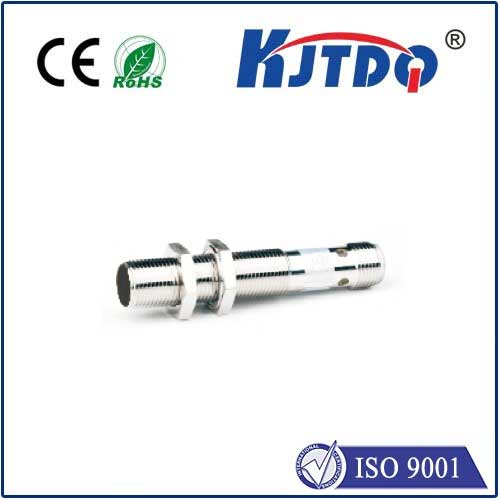
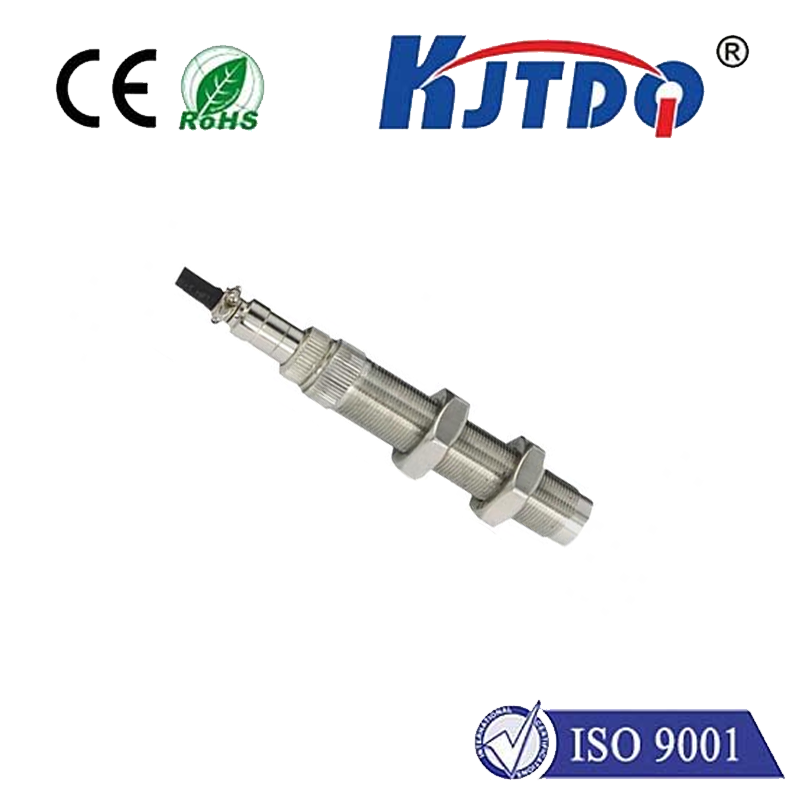
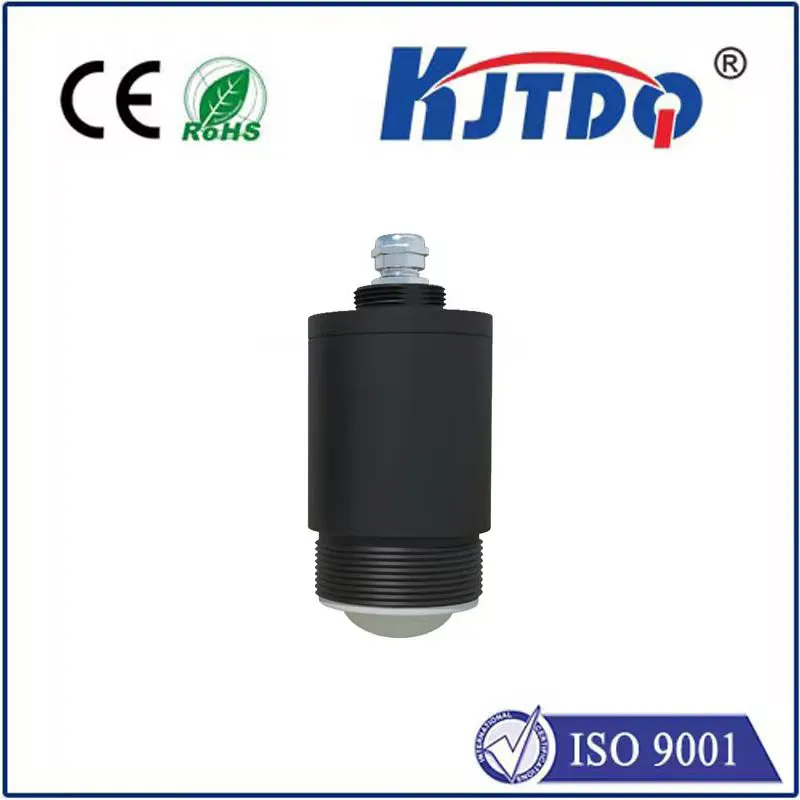
In the demanding world of industrial automation and process control, the reliability and precision of sensing technology are non-negotiable. Equipment must perform flawlessly under extreme conditions, where factors like high pressure, temperature fluctuations, and environmental contaminants are constant challenges. This is where specialized components like the BD1.5-P1-M12S-621 High Pressure Proximity Sensor prove their indispensable value. Engineered for resilience and accuracy, this sensor represents a critical solution for applications where standard sensors would fail.
The core function of the BD1.5-P1-M12S-621 is non-contact detection of metallic objects in high-pressure environments. Its designation provides a clear blueprint of its capabilities. The "BD1.5" typically refers to its specific sensing distance or housing style, while "P1" often indicates a particular pressure rating or performance class. The "M12S" denotes a compact, industry-standard M12 connector with a straight cable outlet, facilitating easy installation and integration into existing machinery. The "621" suffix usually relates to its output configuration, commonly a PNP normally-open (NO) switching signal, a widely used standard for programmable logic controller (PLC) interfaces.
What truly sets this sensor apart is its robust construction designed to withstand high-pressure conditions. Unlike standard inductive proximity sensors, the BD1.5-P1-M12S-621 features a reinforced housing and a specially designed sensing face that can resist the mechanical stresses and potential media exposure found in hydraulic systems, die-casting machines, injection molding equipment, and high-pressure washing systems. This durability ensures long-term stability and prevents false triggers or premature failure, which are costly in terms of both downtime and maintenance.
Installation and integration are streamlined for efficiency. The M12 connector allows for quick connection and disconnection, reducing wiring time and complexity. Its compact form factor enables mounting in space-constrained locations, a common scenario in modern, densely packed machinery. The sensor provides a reliable digital signal, indicating the presence or absence of a target, which is seamlessly processed by the control system to automate sequences, ensure safety interlocks, or monitor process stages. This reliability is crucial for maintaining continuous production flow and achieving high levels of operational efficiency.
The applications for the BD1.5-P1-M12S-621 are vast and critical. In hydraulic power units, it monitors piston position or valve actuation under intense fluid pressure. Within plastic injection molding machines, it detects mold closure or ejector plate position, ensuring precise cycle control. In heavy-duty presses and stamping equipment, it provides essential position feedback for tooling. Furthermore, it is ideal for use in food and beverage processing where high-pressure cleaning (CIP - Clean-in-Place) is routine, as its design can often resist incidental exposure to cleaning agents and water jets.
Selecting the right high-pressure sensor requires careful consideration. Key factors include the specific pressure range it will encounter, the required sensing distance, the material of the target object, environmental temperature, and the necessary electrical output. The BD1.5-P1-M12S-621 is designed to meet a clearly defined set of these rigorous parameters. Consulting technical datasheets for exact pressure ratings, temperature ranges, and housing material specifications is essential to ensure optimal performance and longevity in the intended application.
Ultimately, the BD1.5-P1-M12S-621 High Pressure Proximity Sensor is more than just a component; it is a cornerstone of robust system design. It empowers engineers and maintenance teams to build and sustain automation systems that are not only intelligent but also extraordinarily resilient. By providing dependable detection where pressure is a dominant factor, it safeguards machinery, ensures process consistency, and contributes significantly to reducing unplanned stoppages. For industries pushing the boundaries of performance, investing in such specialized sensing technology is a strategic decision for enhancing productivity and operational security.