check

check

check

check

check

check
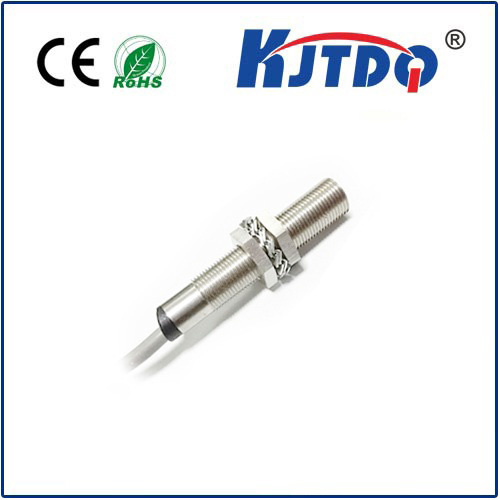
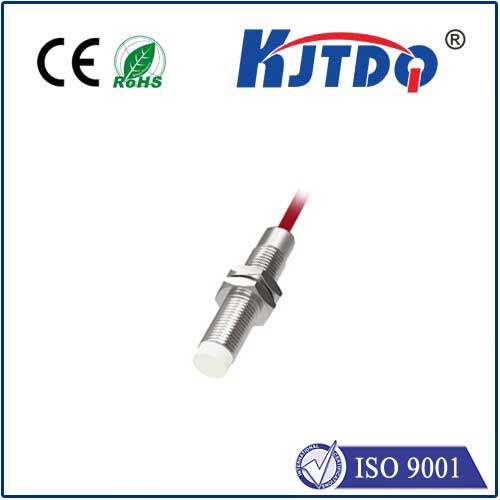
In the world of industrial automation, where precision, reliability, and durability are non-negotiable, the choice of sensing technology can make or break a production line. Among the myriad of options, the BD2.5-P1-M12S High Pressure Proximity Sensor stands out as a robust and intelligent solution engineered to thrive where others falter. This sensor is not merely a component; it is a critical guardian for machinery operating under extreme conditions, particularly where high-pressure washdowns, corrosive agents, and mechanical stress are part of the daily routine.
The core of the BD2.5-P1-M12S's superiority lies in its exceptional construction. Designed to meet the stringent IP69K rating, this sensor is hermetically sealed against the ingress of dust and high-pressure, high-temperature water jets. This makes it an indispensable asset in industries such as food and beverage processing, pharmaceutical manufacturing, and chemical handling, where rigorous hygiene protocols require frequent and aggressive cleaning cycles. The housing, typically crafted from high-grade stainless steel, provides formidable resistance to corrosion and physical impact, ensuring long-term operational integrity even in the harshest environments.
Performance under pressure is a literal requirement for this device. The "High Pressure" designation refers not only to its environmental resilience but also to its capability to function reliably in applications involving hydraulic systems, heavy-duty presses, or molding machines where surrounding pressure fluctuations are common. The sensing technology, often based on a robust inductive or capacitive principle, delivers consistent and accurate detection of metallic or non-metallic targets. The BD2.5-P1-M12S model typically features a precise 2.5mm sensing distance, offering the exact level of sensitivity needed for tight-tolerance positioning and object detection tasks without false triggers.
Integration into modern industrial networks is seamless, thanks to its standardized M12 connector. This 4-pin or 5-pin quick-disconnect interface simplifies wiring, reduces installation time, and enhances maintenance efficiency. The PNP or NPN output configuration (as indicated by the "P1" in the model number) provides compatibility with a wide range of programmable logic controllers (PLCs) and control systems. This plug-and-play functionality minimizes downtime and allows for swift replacement or system expansion.
Beyond its physical and electrical specifications, the real-world value of the BD2.5-P1-M12S sensor is measured in uptime and cost savings. Its unwavering reliability prevents costly machine stoppages caused by sensor failure. By accurately detecting the position of pistons, valves, clamps, or product presence, it ensures smooth cycle times, optimizes process flow, and contributes to overall equipment effectiveness (OEE). In automated packaging lines, for instance, it guarantees precise product placement. In metalworking, it provides critical feedback for robotic arms. Its versatility across different sectors underscores its design philosophy: to provide a single, hardened solution for multiple challenging applications.
Selecting a sensor like the BD2.5-P1-M12S is an investment in operational stability. It eliminates the frequent replacements associated with less robust sensors, reducing total cost of ownership. Engineers and plant managers can specify this sensor with confidence, knowing it is built to endure thermal shocks, chemical exposure, and mechanical vibration. Its consistent performance ensures that quality control parameters are maintained, safeguarding both the machinery and the final product.
In conclusion, the KJTDQ BD2.5-P1-M12S High Pressure Proximity Sensor represents the pinnacle of ruggedized sensing technology. It answers the critical need for a device that can deliver precision without compromise in the face of industrial adversity. For operations that cannot afford downtime, that demand hygiene, and that operate at the edge of environmental tolerance, this sensor is more than a part—it is a partner in productivity. By ensuring reliable detection in the most demanding scenarios, it forms the silent, steadfast backbone of efficient and resilient automation systems worldwide.