check

check

check

check

check

check
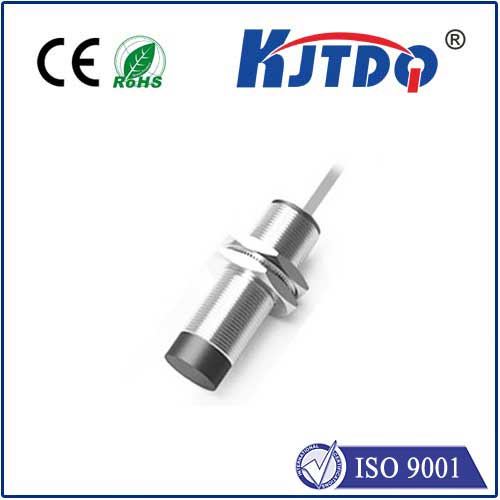
In the relentless world of industrial automation, where machinery operates under extreme pressures and in unforgiving conditions, the reliability of every component is non-negotiable. Sensor failure can lead to catastrophic downtime, safety hazards, and significant financial loss. This is where precision-engineered components like the BES M12EG1-PSC60Z-S04G-S11, also known by its identifier BES02WH, step into the spotlight. This high-pressure proximity sensor is not just another part; it is a critical guardian of process integrity and operational continuity.
Engineered to excel where standard sensors falter, the BES M12EG1-PSC60Z-S04G-S11 is specifically designed for high-pressure applications. Its robust construction begins with a high-grade stainless steel housing, providing exceptional resistance to mechanical stress, corrosion, and the ingress of fluids or particulates. The "PSC" in its model number signifies a pressure-resistant design, capable of withstanding the intense forces found in hydraulic systems, die-casting machines, plastic injection molding equipment, and high-pressure cleaning systems. Unlike conventional inductive sensors that might deform or fail under such strain, this sensor maintains its precise switching characteristics, ensuring consistent and accurate detection of metallic targets.
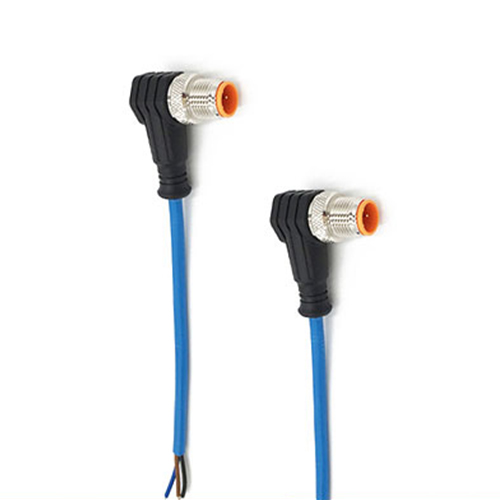
The technical specifications of the BES02WH model reveal its tailored capabilities. Featuring a 4mm sensing distance (S04G), it offers a precise and repeatable detection range for small or precisely positioned targets. The M12 connector with a 4-pin design (PSC60Z) ensures a secure, industry-standard connection that is both vibration-proof and easy to install or replace, minimizing maintenance windows. Its high switching frequency allows it to keep pace with fast-moving production lines, while its immunity to electrical interference guarantees signal stability even in electrically noisy environments common to factory floors.
A key advantage of this sensor is its versatility in output configuration. The S11 suffix typically indicates a complementary output type, often a push-pull (NPN and PNP) or NO/NC configurable output. This flexibility allows engineers to seamlessly integrate the sensor into a wide array of control systems without the need for additional interface modules or complex wiring adaptations. Whether interfacing with a programmable logic controller (PLC), a relay, or a more sophisticated control unit, the BES M12EG1-PSC60Z-S04G-S11 provides a reliable signal that control systems can trust.
Operational resilience is further enhanced by its extended temperature range. It performs flawlessly in both scorching heat near ovens or furnaces and in the chilling cold of refrigeration or outdoor applications. This thermal stability ensures that the sensor's performance does not drift with ambient temperature changes, a common pitfall for lesser components. Furthermore, its design often incorporates advanced sealing technologies, granting it a high IP rating (such as IP67 or IP69K), making it impervious to jets of water, steam, or oil spray. This makes it an ideal choice for food and beverage processing, chemical plants, and marine applications where washdowns are frequent.
The real-world impact of deploying such a sensor is measured in increased productivity and reduced total cost of ownership. By preventing false triggers and unscheduled stops, the BES02WH sensor contributes directly to Overall Equipment Effectiveness (OEE). Its durability translates into longer service intervals and fewer replacements, lowering inventory costs for spare parts and reducing labor for maintenance teams. For system integrators and OEMs, specifying this sensor means building a reputation for reliability and delivering machinery that end-users can depend on day in and day out.
Selecting the right sensor for a high-pressure application requires careful consideration. Factors such as the target material, required sensing distance, pressure rating, environmental contaminants, and electrical requirements must all be evaluated. The BES M12EG1-PSC60Z-S04G-S11 (BES02WH) stands as a benchmark in this category, offering a proven combination of mechanical robustness, electrical reliability, and configuration flexibility. It represents a strategic investment in process stability, safeguarding against the high costs of failure and enabling industries to push the boundaries of automation with confidence. In essence, it is the definitive choice for engineers who refuse to compromise on performance in the most demanding industrial landscapes.