check

check

check

check

check

check
In the demanding world of industrial automation and heavy machinery, the margin for error is razor-thin. Equipment failure due to undetected pressure anomalies or component contact can lead to catastrophic downtime, safety hazards, and significant financial loss. This is where precision sensing technology becomes the unsung hero of operational continuity. The PH-Q23-L3-020 High Pressure Proximity Sensor stands out as a critical component engineered to deliver unwavering reliability in the most challenging environments. This guide delves into its core functionalities, applications, and the tangible benefits it brings to modern industrial operations.
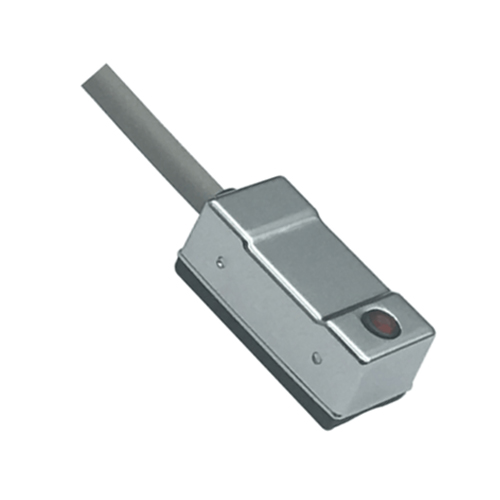
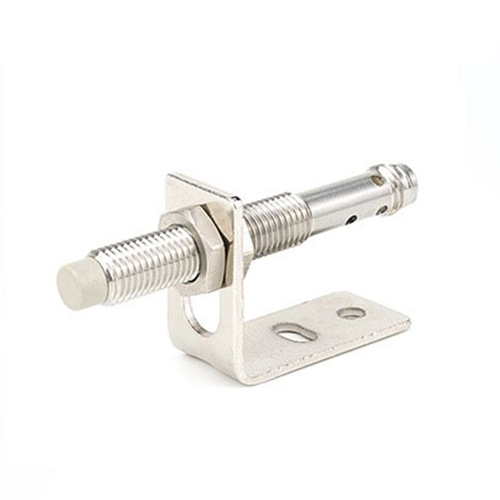
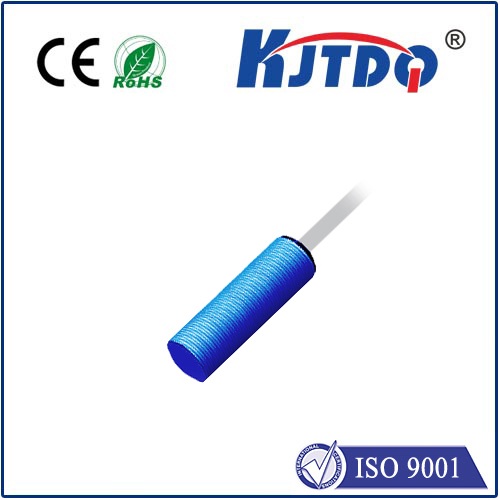
At its heart, the PH-Q23-L3-020 is a non-contact sensing device specifically designed to detect the presence or absence of a target object under conditions of extreme pressure. Unlike standard proximity sensors that might falter under stress, this model is built with a robust housing and internal components that can withstand the physical and environmental rigors of high-pressure systems. Its core technology typically involves an oscillator circuit that generates an electromagnetic field. When a metallic target enters this field, eddy currents are induced, causing a change in the oscillation amplitude. This change is detected and converted into a clear, solid-state output signal, triggering an action in the control system—all without any physical touch. The "L3" designation often relates to its specific sensing distance or output configuration, making it suitable for precise positioning tasks.
The true value of the PH-Q23-L3-020 is realized in its application across critical industries. In hydraulic systems powering injection molding machines, construction equipment, or steel presses, it provides essential feedback on piston position, valve actuation, or end-of-stroke detection. This ensures cycles complete correctly and prevents mechanical overtravel that could damage costly components. Within the oil and gas sector, these sensors monitor valve positions in blowout preventers (BOPs) or other high-integrity pressure systems, contributing directly to safety protocols. They are equally vital in chemical processing plants, where they help manage aggressive fluids under pressure, and in heavy-duty automotive testing rigs, verifying part placement and assembly under load.
Choosing the PH-Q23-L3-020 translates into direct operational advantages. First and foremost is enhanced safety. By providing reliable, real-time data on machine state, it helps prevent accidents caused by unexpected movements or failures. Secondly, it drives efficiency. Accurate sensing minimizes cycle times, reduces waste from faulty operations, and enables predictive maintenance by consistently monitoring system health. The non-contact nature of its operation eliminates mechanical wear and tear on the sensor itself, leading to a dramatically extended service life and reduced replacement costs compared to mechanical limit switches. Its design typically offers excellent resistance to vibration, temperature fluctuations, and ingress from fluids or particulates (often rated IP67 or higher), ensuring consistent performance where other sensors might fail.
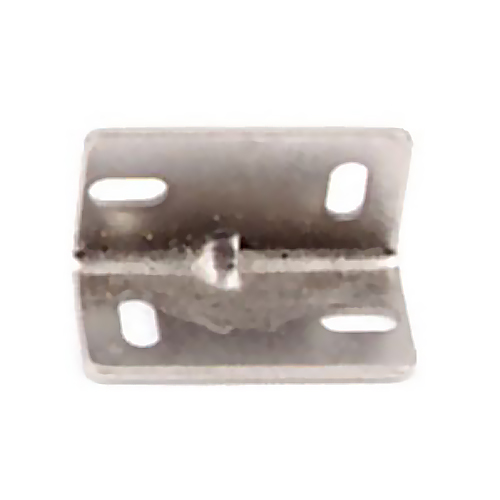
Integration into an existing control architecture is straightforward. The sensor usually provides a discrete DC output (like PNP or NPN) that interfaces seamlessly with Programmable Logic Controllers (PLCs), relays, or other industrial controllers. Proper installation is key: ensuring correct alignment with the target, maintaining the specified sensing gap, and using appropriate mounting hardware to handle vibration. For optimal performance in high-pressure zones, it is crucial to verify the sensor's pressure rating matches or exceeds the maximum system pressure to avoid housing compromise.
When sourcing a sensor of this caliber, partnering with a reputable supplier or the original manufacturer is essential. They can provide detailed datasheets confirming specifications like pressure rating, sensing range, output type, housing material (often stainless steel), and temperature operating range. This ensures the PH-Q23-L3-020 is perfectly matched to your specific environmental and operational demands, guaranteeing the reliability it is designed for.
Ultimately, the PH-Q23-L3-020 High Pressure Proximity Sensor is more than just a component; it is a foundational element of modern industrial resilience. It empowers engineers and plant managers to build systems that are not only powerful and productive but also intelligent, safe, and durable. By delivering fail-safe detection where pressure is high and stakes are even higher, it secures the seamless flow of operations, protecting both valuable assets and personnel. In an era where operational excellence is non-negotiable, investing in such robust sensing technology is a decisive step toward achieving unparalleled reliability and control.