check

check

check

check

check

check
In the relentless world of industrial automation, where machinery operates under extreme pressures and in unforgiving environments, the reliability of every component is non-negotiable. Sensor failure can lead to catastrophic downtime, safety hazards, and significant financial loss. This is where precision-engineered solutions like the DW-AS-503-P20G-LH High Pressure Proximity Sensor step into the spotlight, offering unparalleled durability and accuracy where it matters most.
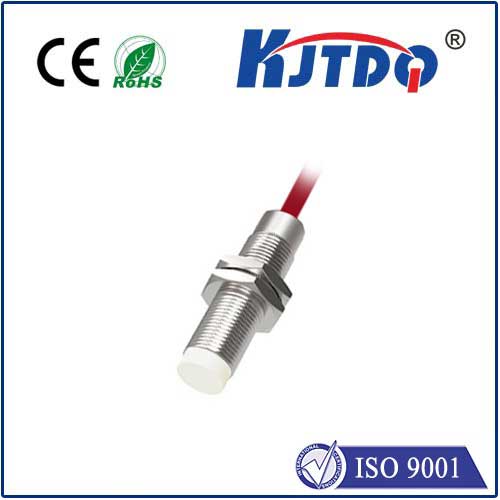
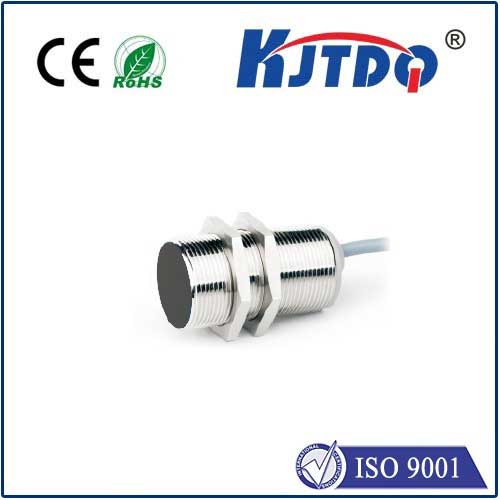
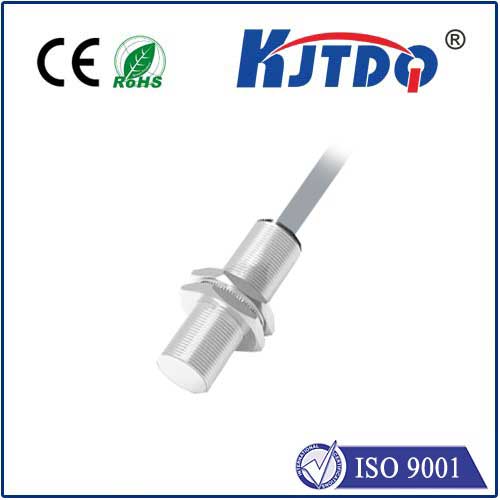
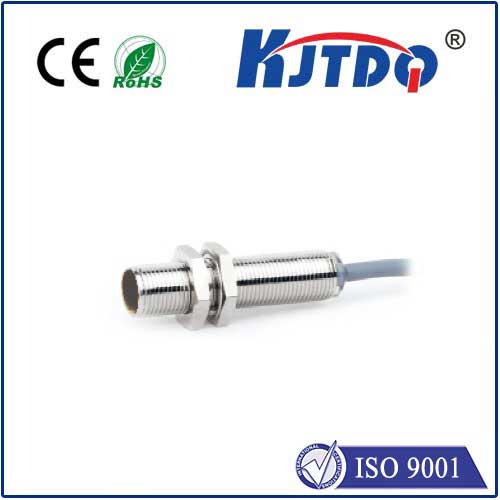
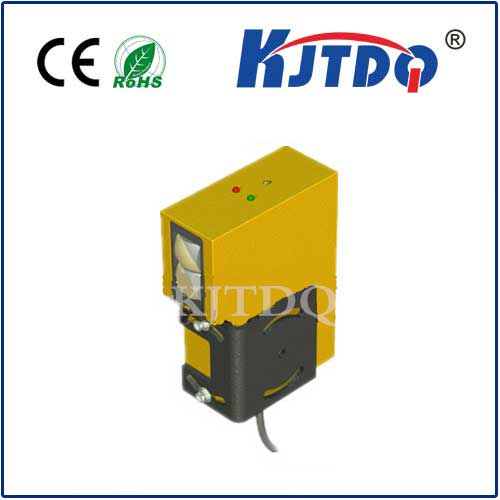
The DW-AS-503-P20G-LH is not just another sensor; it is a specialized device designed to thrive under conditions that would compromise standard sensors. Its core function is to detect the presence or absence of a target object in close proximity, but it does so while being fully immersed in or exposed to high-pressure fluids or atmospheres. This capability is critical in industries such as hydraulic systems, die-casting machines, plastic injection molding, and high-pressure testing rigs. The "P20G" in its designation often signifies a pressure rating capable of withstanding substantial force, ensuring the sensor's housing and sensing face remain intact and fully functional.
What sets this sensor apart is its robust construction. Typically housed in a stainless steel body with high-grade sealing technologies, it is built to resist corrosion, mechanical stress, and fluid ingress. The sensing technology, often based on a ruggedized inductive or capacitive principle, provides stable and repeatable detection even when covered by thin layers of oil, coolant, or other process media. This immunity to environmental interference is a key factor in maintaining consistent production quality and preventing false triggers that can disrupt automated sequences.
Installation and integration are streamlined for efficiency. The DW-AS-503-P20G-LH is designed with industry-standard dimensions and connection types, such as an M12 or M18 connector, allowing for easy replacement or upgrade within existing machinery footprints. Its long operational life and minimal maintenance requirements translate directly into lower total cost of ownership. Engineers and maintenance teams value its set-and-forget reliability, which reduces the frequency of line stoppages for sensor checks or replacements.
Consider a high-pressure die-casting operation. Molten metal is injected into a mold under tremendous pressure. A standard proximity sensor near the injection mechanism could fail due to the intense heat and pressure fluctuations. The DW-AS-503-P20G-LH, however, can be positioned to reliably confirm mold closure or the position of the injection piston, ensuring each cycle begins only when conditions are perfectly safe and aligned. This not only protects the equipment but also safeguards personnel and ensures product consistency.
In hydraulic power units controlling heavy machinery, this sensor can monitor the position of valves or actuators within the pressurized fluid lines themselves. Its ability to deliver a clear signal back to the PLC (Programmable Logic Controller) through electrical noise and physical vibration is paramount for precise control. The result is smoother machine operation, improved energy efficiency, and the prevention of damaging pressure spikes that could lead to hose bursts or component failure.
Selecting the right high-pressure sensor requires careful consideration. Factors such as the specific pressure rating, media compatibility, temperature range, output type (PNP/NPN), and sensing distance must align with the application's demands. The DW-AS-503-P20G-LH model is engineered to meet a stringent set of these parameters, offering a reliable off-the-shelf solution for many challenging scenarios. For unique applications, consulting with sensor specialists can ensure the chosen variant provides the optimal balance of performance and resilience.
Ultimately, the integration of components like the DW-AS-503-P20G-LH High Pressure Proximity Sensor is a strategic investment in operational excellence. It moves beyond basic functionality to become a guardian of process integrity. By ensuring detection reliability in the most demanding corners of a factory, it supports the goals of increased uptime, enhanced safety protocols, and the pursuit of zero-defect manufacturing. In an era where industrial margins are tight and reliability is paramount, specifying proven, high-performance sensors is not an option—it is a necessity for sustainable and competitive production.