check

check

check

check

check

check
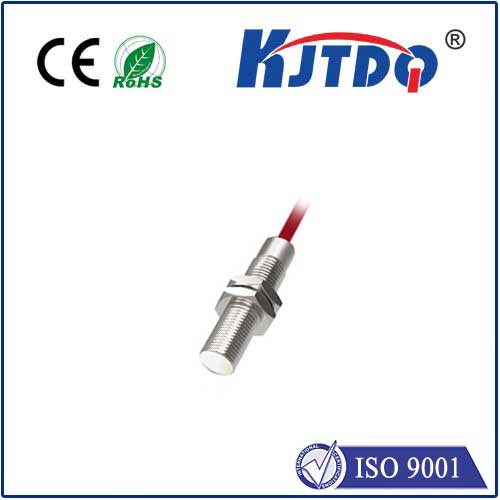
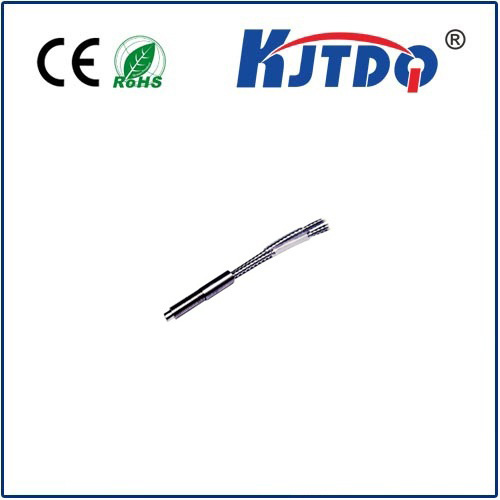
In the heart of modern industrial automation, where machinery operates under extreme pressures and in unforgiving conditions, the reliability of every component is paramount. Sensor failure in such environments isn't just an inconvenience; it can lead to costly downtime, safety hazards, and compromised product quality. This is where specialized components like the KNYT1.8-M12-PB-41 High Pressure Proximity Sensor prove their indispensable value. Engineered to thrive where standard sensors falter, this device represents a critical advancement in sensing technology for high-pressure applications.
The defining characteristic of the KNYT1.8-M12-PB-41 is its exceptional resilience to high-pressure environments. Traditional inductive proximity sensors can suffer from housing deformation or seal failure when subjected to significant external pressure, leading to inaccurate readings or complete malfunction. The KNYT1.8-M12-PB-41 is specifically constructed with a reinforced stainless-steel housing and advanced sealing technologies, such as high-grade O-rings and specialized potting compounds. This robust design allows it to maintain its structural integrity and sensing accuracy even when exposed to the intense pressures commonly found in hydraulic systems, die-casting machines, high-pressure cleaning equipment, and deep-sea applications. Its ability to provide stable, reliable detection of metallic targets—with a sensing distance of 1.8 mm—under these conditions is a testament to its specialized engineering.
Beyond its pressure resistance, the sensor features an industry-standard M12 connector, ensuring quick, secure, and standardized integration into existing control panels and machinery wiring harnesses. The PB designation typically indicates a PNP (sourcing) output configuration with a normally open (NO) function, a common and versatile setup that simplifies connection to programmable logic controllers (PLCs) and other industrial control systems. This plug-and-play compatibility reduces installation time and minimizes wiring errors, a crucial factor in maintaining efficiency during system setup or maintenance cycles.
The operational benefits of deploying the KNYT1.8-M12-PB-41 are substantial. First and foremost is enhanced system reliability. By providing consistent and accurate position feedback for pistons, valves, or machine parts within high-pressure cylinders, it ensures processes run as intended. This reliability directly translates to increased production uptime. Fewer sensor-related stoppages mean more consistent output and better overall equipment effectiveness (OEE). Furthermore, its durability reduces the frequency of sensor replacement, lowering long-term maintenance costs and inventory needs for spare parts. In applications like plastic injection molding or press automation, where precise end-position detection of rams or platens is critical, this sensor's performance ensures product consistency and cycle time accuracy.
Safety is another paramount consideration addressed by this sensor's robust design. In high-pressure systems, a failure can be dangerous. The KNYT1.8-M12-PB-41’s reliable detection capability contributes to safer machine operation by ensuring that control systems receive accurate data about the position of moving components. This allows for proper sequencing and can help prevent hazardous situations like unintended machine movement or operation under unsafe conditions. Its rugged build also means it is better protected against ingress from oils, coolants, and particulate matter often present in industrial settings, often corresponding to a high IP (Ingress Protection) rating for water and dust resistance.
When selecting a sensor for a challenging application, the KNYT1.8-M12-PB-41 High Pressure Proximity Sensor presents a compelling solution. It is not merely a sensor but a dedicated component designed to solve a specific set of industrial challenges. For engineers and maintenance managers overseeing hydraulic presses, heavy-duty machining centers, offshore equipment, or any system where pressure is a constant factor, integrating this sensor is a strategic decision toward achieving greater operational resilience, cost control, and safety. It exemplifies how targeted engineering in sensor technology can create a robust, reliable, and essential link in the automated industrial chain, capable of withstanding the forces that would disable lesser components.