check

check

check

check

check

check
In the realm of industrial automation and process control, the ability to reliably detect objects or measure positions under extreme environmental conditions is not just a convenience—it's a critical necessity for safety, efficiency, and productivity. This is where specialized components like the KGG10P2KDC High Pressure Proximity Sensor step into the spotlight. Engineered to perform where standard sensors falter, this device represents a significant leap in sensing technology for high-pressure environments.
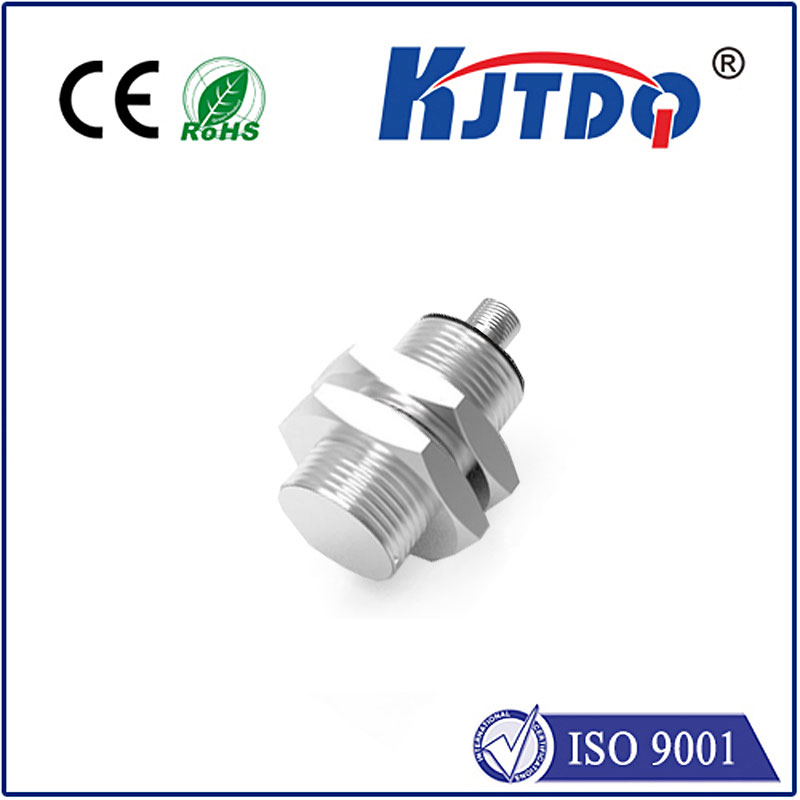
The core challenge in many heavy industries—such as hydraulic systems, die-casting machines, injection molding, offshore oil and gas operations, and high-pressure testing facilities—is the presence of immense pressure. Standard inductive or capacitive proximity sensors can fail, suffer from reduced sensing ranges, or experience physical deformation when subjected to these forces. The KGG10P2KDC is specifically designed to overcome this hurdle. Its construction typically involves a robust, pressure-resistant housing, often made from high-grade stainless steel, and a sensing face engineered to withstand direct exposure to fluids and pressures that would compromise lesser devices. This inherent durability ensures consistent operation and a long service life, reducing downtime and maintenance costs.
One of the defining features of the KGG10P2KDC sensor is its unwavering accuracy. Despite being built like a tank, it does not sacrifice precision. It provides stable and repeatable detection of metallic targets, even when submerged in hydraulic fluid or located within a pressurized chamber. This reliability is paramount for closed-loop control systems where a missed signal or a false reading can lead to process deviations, product defects, or even hazardous situations. For instance, in a hydraulic press, the sensor can accurately confirm the position of a piston, ensuring the press cycle operates correctly and safely every time.
Installation and integration are streamlined with the KGG10P2KDC. It often comes with standard mounting threads and connection styles, making it a direct replacement or upgrade for existing sensors in retrofit projects. Its compatibility with common industrial PLCs and control systems means engineers can incorporate it into their designs without requiring extensive system overhauls. Furthermore, many models offer various output options (like PNP/NPN) and connection types (such as M12 connectors), providing flexibility for different electrical setups.
Beyond mere object detection, the application of this high-pressure proximity sensor extends to critical monitoring functions. It can be used to verify the closure of high-pressure valves, monitor the position of components inside pressure vessels, or act as a safety interlock on equipment where pressure integrity is vital. In essence, it serves as the "eyes" of the control system in environments that are invisible or inaccessible to human operators.
The economic argument for deploying the KGG10P2KDC is compelling. While the initial investment may be higher than a standard sensor, the total cost of ownership is often lower. The reduction in unplanned downtime, the prevention of costly damage to machinery from sensor failure, and the avoidance of production scrap due to inaccurate sensing contribute directly to the bottom line. It is a classic case of paying for reliability and resilience upfront to avoid far greater expenses later.
In conclusion, the KGG10P2KDC High Pressure Proximity Sensor is far more than just a component; it is a dedicated solution for some of the most challenging conditions in modern industry. Its robust design, reliable performance under duress, and ease of integration make it an indispensable tool for engineers and system designers who cannot afford compromise. For operations where pressure is a constant factor, choosing a sensor specifically built for the task, like the KGG10P2KDC, is not an option—it is the only logical choice to ensure continuous, safe, and efficient production.