check

check

check

check

check

check
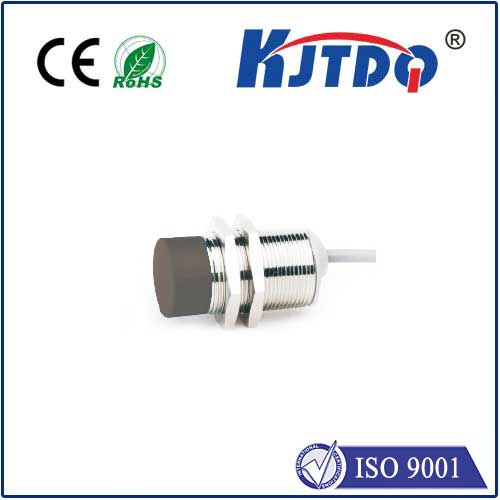
In the realm of industrial automation and process control, the reliability and precision of sensing technology are non-negotiable. Equipment must perform flawlessly under extreme conditions, where high pressure, temperature fluctuations, and harsh environments are the norm. This is where the KGG12P3BPC High Pressure Proximity Sensor steps in, engineered to meet and exceed the rigorous demands of modern industry. Unlike standard sensors that may falter under stress, the KGG12P3BPC is built from the ground up for resilience and accuracy, making it a cornerstone for systems where failure is not an option.
The core strength of the KGG12P3BPC lies in its specialized design for high-pressure environments. Traditional inductive or capacitive sensors often struggle with signal integrity or physical deformation when subjected to sustained high pressure. The KGG12P3BPC overcomes these limitations through a robust housing and advanced sensing element that maintains consistent performance. Whether integrated into hydraulic systems, heavy-duty presses, or offshore drilling equipment, this sensor delivers stable detection of metallic targets without compromise. Its ability to operate reliably at elevated pressures ensures that critical processes remain uninterrupted, safeguarding both productivity and equipment longevity.
Durability is another hallmark of this proximity sensor. Industrial settings are fraught with challenges—from corrosive chemicals and abrasive particulates to intense vibrations. The KGG12P3BPC is typically housed in a stainless-steel casing with a high ingress protection rating, shielding its internal components from contaminants and mechanical shock. This construction not only extends the sensor's operational life but also reduces maintenance frequency and associated downtime. For plant managers and engineers, this translates to lower total cost of ownership and enhanced operational efficiency over the long term.
Installation and integration are streamlined with the KGG12P3BPC's user-centric design. Featuring standard mounting threads and connection interfaces, it can be easily retrofitted into existing systems or specified for new machinery. The sensor provides a clear, stable output signal compatible with common PLCs and control units, facilitating seamless communication within automated networks. This plug-and-play capability minimizes setup time and technical hurdles, allowing teams to focus on optimization rather than troubleshooting.
Precision detection is critical in applications such as valve position monitoring, cylinder end-position sensing, or presence verification in assembly lines. The KGG12P3BPC offers a consistent switching point with minimal hysteresis, ensuring repeatable accuracy even after millions of cycles. This level of dependability is vital for maintaining tight tolerances in manufacturing and ensuring safety in high-risk processes. By providing exact feedback on component position or movement, the sensor enables finer control over machinery, contributing to higher product quality and reduced waste.
Energy efficiency and operational stability are increasingly important in today's eco-conscious industrial landscape. The KGG12P3BPC is designed to consume minimal power while delivering maximum performance, aligning with sustainability goals without sacrificing capability. Its stable operation across a wide temperature range further ensures reliability in diverse climates and settings, from freezing cold storage facilities to scorching foundry floors.
In conclusion, the KGG12P3BPC High Pressure Proximity Sensor represents a significant advancement in industrial sensing technology. It addresses the specific pain points of high-pressure applications with a blend of robustness, accuracy, and ease of use. For industries ranging from oil and gas to automotive manufacturing and beyond, adopting this sensor means investing in uninterrupted production, enhanced safety, and long-term operational savings. As automation continues to evolve, components like the KGG12P3BPC will remain essential in building resilient, efficient, and future-ready industrial systems.