check

check

check

check

check

check
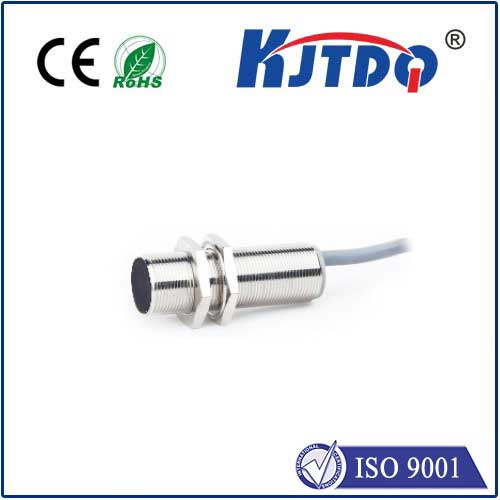
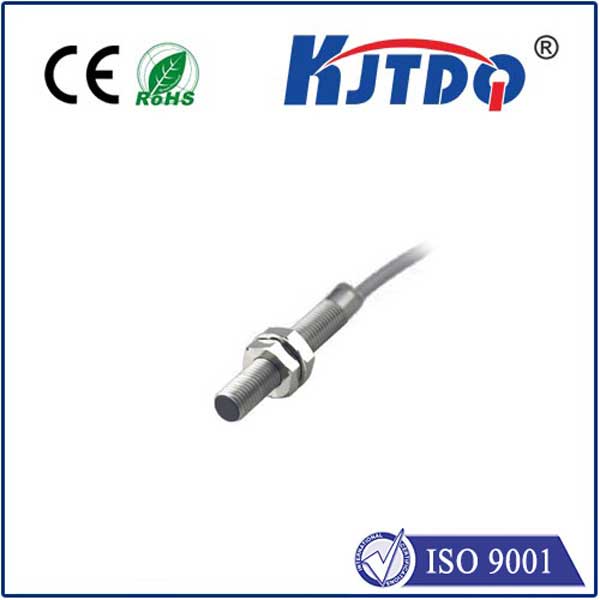
In the demanding world of industrial automation and process control, the reliability of every component is paramount. Among these critical components, proximity sensors play a vital role in ensuring safety, efficiency, and precision. The DW-AS-501-P20 High Pressure Proximity Sensor stands out as a specialized solution engineered to perform flawlessly in extreme environments where standard sensors would fail. This guide delves into the features, applications, and benefits of this robust sensor, providing essential insights for engineers and procurement specialists.
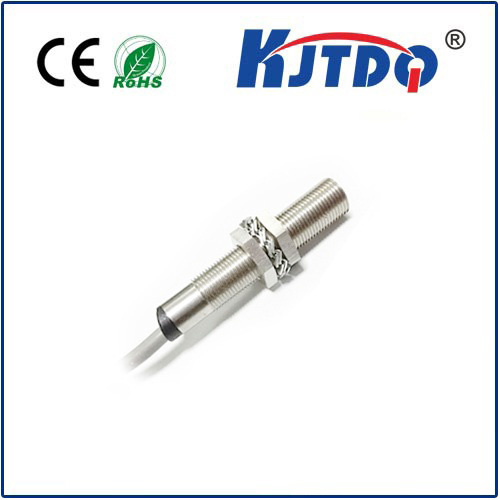
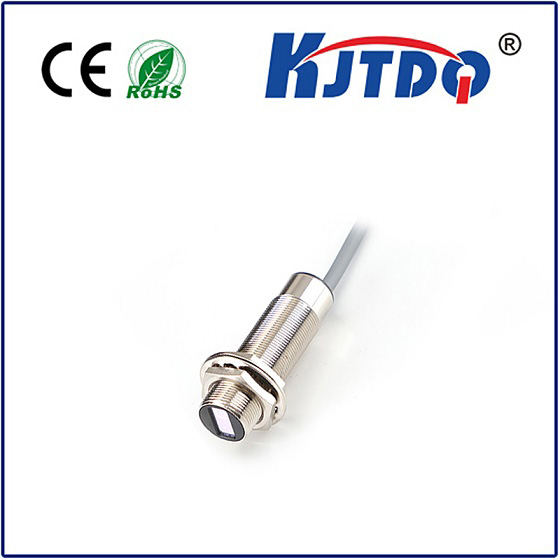
The core challenge in high-pressure environments, such as hydraulic systems, heavy machinery, or underwater applications, is maintaining accurate detection without compromising sensor integrity. The DW-AS-501-P20 is specifically designed to address this challenge. Constructed with a high-grade stainless steel housing, it offers exceptional resistance to corrosion and physical impact. Its sealing technology is a key differentiator, capable of withstanding pressures that would typically cause leakage or failure in conventional inductive or capacitive sensors. This makes it not just a sensor, but a durable asset for long-term operations.
One of the most significant technical aspects of the DW-AS-501-P20 is its sensing principle. Utilizing a robust inductive sensing mechanism, it can detect metallic targets with high precision, even through certain non-metallic barriers or in the presence of contaminants like oil, coolant, or dust. The "P20" designation often refers to its pressure rating, indicating its suitability for environments where pressure is a constant factor. Its output signals are stable and reliable, ensuring that control systems receive consistent data for critical decision-making, whether it's for position feedback, part counting, or safety interlocks.
The applications for this sensor are vast and varied. In the oil and gas industry, it is deployed on drilling equipment and pipeline valves to monitor position and movement under immense pressure. Within manufacturing, it ensures the correct positioning of components in high-pressure molding machines or die-casting units. The marine and offshore sectors rely on such sensors for equipment monitoring where exposure to high water pressure is inevitable. Its versatility also extends to mobile hydraulics in construction and agricultural machinery, where it contributes to precise control and operational safety.
Choosing the DW-AS-501-P20 over a standard proximity sensor translates into tangible operational benefits. The foremost advantage is reduced downtime. Sensor failure in a critical high-pressure loop can halt an entire production line or process, leading to significant financial losses. The rugged design of this sensor minimizes such risks. Furthermore, its high immunity to environmental interference reduces false triggers, enhancing overall system accuracy and reliability. From a maintenance perspective, its longevity and durability lower the total cost of ownership, despite a potentially higher initial investment compared to standard models.
Installation and integration are straightforward, but attention to detail is crucial. It is recommended to follow the manufacturer's guidelines regarding mounting, wiring, and environmental limits. Ensuring proper grounding and using shielded cables can optimize performance in electrically noisy industrial settings. Regular maintenance checks should focus on the sensor's physical condition and cleanliness of the sensing face to prevent performance degradation.
In conclusion, the DW-AS-501-P20 High Pressure Proximity Sensor represents a specialized tool for a specialized need. It bridges the gap where standard sensing solutions fall short, providing a reliable, accurate, and durable option for monitoring and control in high-pressure conditions. For industries where pressure is not just a variable but a defining characteristic of the operating environment, investing in such engineered solutions is not merely an option but a necessity for sustainable and safe operations. Its role in enhancing automation resilience makes it a key component in the modern industrial landscape.