check

check

check

check

check

check
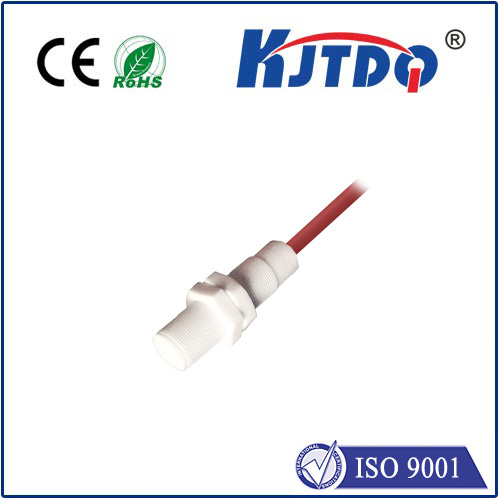
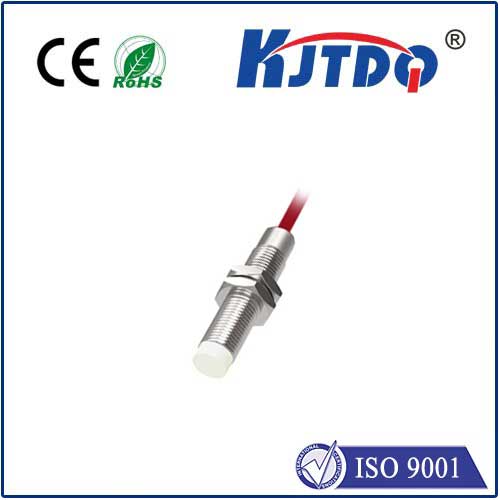
In the world of industrial automation and process control, the ability to detect objects or monitor positions reliably under extreme conditions is not just a convenience—it's a critical requirement for safety, efficiency, and productivity. This is where high-pressure proximity sensors come into play, and among the leading solutions in this niche is the KGG20H42N High Pressure Proximity Sensor. Designed to perform flawlessly where others fail, this sensor represents a significant advancement in sensing technology for challenging applications.
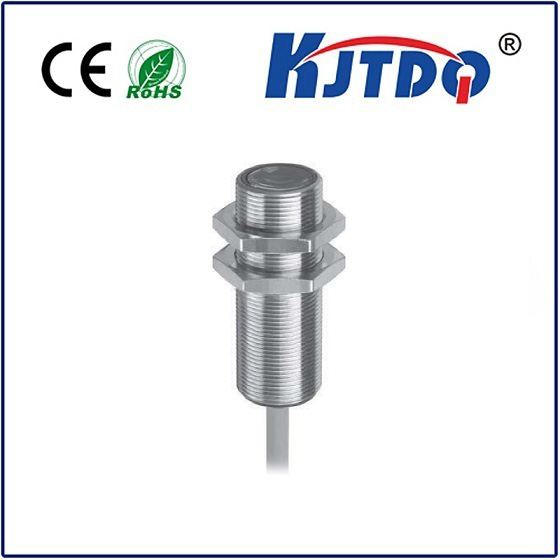
The KGG20H42N is engineered specifically for environments where pressure is a constant and formidable factor. Traditional sensors can falter under high-pressure conditions, leading to signal drift, physical damage, or complete failure. The KGG20H42N overcomes these limitations through a robust construction that typically involves a hermetically sealed housing made from high-grade stainless steel or other durable alloys. This sealing is crucial as it prevents media ingress—whether it's hydraulic fluid, cutting coolant, or pressurized water—from compromising the internal electronics. The sensor's design ensures that its sensing face can withstand direct exposure to these high-pressure fluids without degradation in performance.
At its core, the KGG20H42N utilizes an inductive sensing principle. It generates an electromagnetic field from its active face. When a metallic target enters this field, eddy currents are induced in the target, causing a change in the oscillation amplitude within the sensor's circuit. This change is detected and converted into a clear, binary output signal—either ON or OFF. What sets the KGG20H42N apart is its ability to maintain a stable and precise switching point even when the surrounding ambient pressure is exceptionally high. This consistent performance is vital for applications like monitoring piston position within hydraulic cylinders, detecting tool presence in high-pressure coolant machining centers, or ensuring valve seat alignment in oil and gas processing equipment.
Key technical features make the KGG20H42N a preferred choice for engineers. Its high pressure rating, often specified for several hundred bar, directly addresses the core challenge. The sensor also boasts a fully welded housing, providing an exceptional degree of protection, typically rated at IP68 or IP69K, making it resistant to high-pressure washdowns and submersible operations. Furthermore, it offers excellent temperature stability, functioning accurately across a wide range from sub-zero conditions to elevated temperatures common in industrial settings. The electrical output is usually a stable PNP or NPN signal, compatible with standard programmable logic controllers (PLCs), and it often includes features like short-circuit and reverse polarity protection for enhanced durability in electrically noisy environments.
The practical applications for the KGG20H42N are found in industries where reliability is non-negotiable. In hydraulic press systems, it accurately detects the end positions of rams and cylinders, ensuring controlled movement and preventing over-travel. Within the automotive manufacturing sector, it is used in die-casting machines and high-pressure die lubrication systems. The marine and offshore industry relies on such sensors for monitoring critical systems on ships and oil rigs, where equipment is constantly exposed to harsh, high-pressure seawater environments. Additionally, in heavy machinery for construction and mining, these sensors provide essential feedback for boom and arm positioning under immense hydraulic pressure.
Selecting and installing the KGG20H42N requires attention to detail. It is crucial to match the sensor's specified pressure rating with the maximum operating pressure of the application, including any potential pressure spikes. The sensing distance, while slightly reduced compared to standard sensors in some high-pressure designs, remains consistent and repeatable. Proper mounting is essential; the sensor should be securely fastened using appropriate seals or fittings designed for high-pressure lines to prevent leaks. Ensuring the target material (ferrous or non-ferrous metals) and size are within the sensor's specifications guarantees optimal performance. Regular maintenance, though minimal, should involve checking the integrity of the housing and seals, and cleaning the sensing face of any accumulated debris that could interfere with detection.
The KGG20H42N High Pressure Proximity Sensor stands as a testament to specialized engineering solving a specific industrial problem. It transforms a potential point of failure into a bastion of reliability. By delivering unwavering accuracy and durability in the face of extreme pressure, it enables smoother operations, reduces unplanned downtime, and enhances the overall safety of complex machinery. For system integrators and maintenance engineers working on the front lines of demanding industrial processes, integrating a sensor of this caliber is a strategic decision that safeguards both equipment and productivity, proving that in high-stakes environments, the right detection technology makes all the difference.